Can I monetize my chatbot?
Yes! Opportunities include SaaS licensing, premium analytics, and outcome-based pricing models.
How do I improve my chatbot based on performance metrics?
Iteratively fine-tune your chatbot using real conversation data, monitor errors, and optimize for user satisfaction.
What metrics are essential for evaluating GPT-4 chatbots?
Essential metrics include Perplexity Score, F1 Score, Customer Satisfaction (CSAT), and Containment Rate, among others.
How often should I benchmark and evaluate my chatbot’s performance?
Regularly—at least quarterly—to identify areas of improvement and adapt to changing user needs.
Can I monetize my chatbot?
Yes! Opportunities include SaaS licensing, premium analytics, and outcome-based pricing models.
How do I improve my chatbot based on performance metrics?
Iteratively fine-tune your chatbot using real conversation data, monitor errors, and optimize for user satisfaction.
What metrics are essential for evaluating GPT-4 chatbots?
Essential metrics include Perplexity Score, F1 Score, Customer Satisfaction (CSAT), and Containment Rate, among others.
How often should I benchmark and evaluate my chatbot’s performance?
Regularly—at least quarterly—to identify areas of improvement and adapt to changing user needs.
Can I monetize my chatbot?
Yes! Opportunities include SaaS licensing, premium analytics, and outcome-based pricing models.
How do I improve my chatbot based on performance metrics?
Iteratively fine-tune your chatbot using real conversation data, monitor errors, and optimize for user satisfaction.
Table of Contents
- Introduction
- Understanding GPT-4 Performance Metrics
- Key Performance Metrics
- Competitor Strategies and Best Practices
- Benchmarking and Fine-Tuning
- Utilizing Analytics Tools
- Successful Case Studies
- Monetization Opportunities
- Best Practices for Gargantuan ROI
- Conclusion
Introduction
In today’s rapidly evolving digital landscape, affiliate marketing relies not only on creative strategies but also on leveraging cutting-edge technologies, including AI and large language models (LLMs) like GPT-4. As businesses seek to optimize their online presence and maximize revenue, understanding how to evaluate GPT-4 chatbot performance emerges as a critical topic in affiliate marketing. This blog post delves deep into the various metrics that can help businesses—marketers, publishers, and advertisers—effectively assess their AI-driven chatbots.
As affiliate marketers, we thrive on data and performance. With the integration of AI into customer interactions, evaluating chatbots through robust metrics is no longer an option but a necessity to drive better outcomes. By the end of this article, you’ll gain insights into practical strategies for improving your chatbot performance, using data-driven metrics to enhance user experiences, and ultimately boosting your affiliate earnings.
Understanding GPT-4 Performance Metrics
Metrics for evaluating GPT-4 chatbot performance encompass a range of quantitative and qualitative indicators. These metrics can be categorized as traditional NLP metrics, business key performance indicators (KPIs), and technical observability measures. A comprehensive evaluation strategy incorporates these indicators to deliver maximum value and robustness to user experiences.
Key Performance Metrics
- Perplexity Score: This measures how well the model predicts the next token given the previous context. A lower perplexity score indicates smoother, more human-like dialogues, which is critical for maintaining user engagement.
- F1 Score: This metric gauges accuracy by determining the harmonic mean of precision and recall. High F1 scores suggest that the bot is effectively recognizing intents and providing relevant responses.
- BLEU Score: Primarily utilized in machine translation, BLEU evaluates how closely the chatbot’s responses match human-generated language. Although it’s typically for text generation, it informs about the naturalness of interactions.
- Customer Satisfaction (CSAT): Direct user feedback provides insights into how satisfied customers are with the interactions. High CSAT scores reflect positively on the success and effectiveness of the chatbot.
- Containment Rate: This measures the percentage of queries the chatbot handles successfully without human intervention. A containment rate exceeding 65% is desirable, indicating efficiency and reduced operational costs.
- Churn Rate: Measuring the percentage of users who disengage after interacting with the chatbot, maintaining a churn rate below 7% signifies strong user retention.
- Resolution Rate: It indicates the percentage of queries or tickets solved autonomously by the chatbot. A high resolution rate demonstrates the bot’s ability to resolve customer issues without escalating them to human agents.
- Task Completion Rate: This evaluates the percentage of tasks initiated by users that are successfully completed. A rate above 70% is a benchmark for effective task facilitation.
- Response Time: The average time taken by the chatbot to reply to users is crucial for user experience. Quick response times enhance user satisfaction and decrease abandonment rates.
- Error Rate: This tracks the percentage of nonsensical or failed responses from the chatbot. High error rates trigger a need for retraining and fine-tuning.
Additional Metrics Considerations
- Average Conversation Length: A longer conversation can indicate user interest but can also suggest inefficiency if it veers off-topic. Context matters when analyzing this metric.
- Engaged Conversations: This metric measures the depth of exchanges and indicates the chatbot’s capability to handle complex queries.
- Human Takeover Rate: A low human takeover rate aligns with the goal of autonomous service, suggesting that the chatbot is satisfactorily addressing user needs.
Strategic Use of Metrics
Leading platforms focus on a combination of AI-centric and user-centric metrics to continuously enhance model performance and user engagement. It’s important to consider not just technical metrics but also business outcomes like value retention and customer experience.
Industry benchmarks serve as useful references; for instance:
| Metric | Description | Strategic Insight |
|---|---|---|
| Perplexity Score | Lower is better; measures prediction accuracy | Indicates fluidity and realism |
| F1 Score | Measures model output accuracy against a standard | Crucial for domain-specific applications |
| BLEU Score | Evaluates closeness to human-like language | Assesses naturalness and relevance |
| CSAT | User-rated satisfaction score | Direct measure of service effectiveness |
| Containment Rate | Queries handled solely by the bot | Indicates cost efficiency |
| Churn Rate | Percentage of users leaving post-interaction | Signals levels of user retention |
| Resolution Rate | Tracks issues resolved autonomously | Assesses problem-solving capacity |
| Task Completion Rate | Percentage of tasks successfully completed | Ties to bot utility and effectiveness |
| Response Time | Average time until user receives a reply | Critical for enhancing user experience |
| Error Rate | Percentage of failed responses | Identifies retraining needs |
| Average Conversation Length | Indicates interaction length | Evaluates engagement levels |
Competitor Strategies and Best Practices
To derive true value from GPT-4 chatbots, many organizations emphasize regular benchmarking and fine-tuning of chatbots. This is accomplished through the combination of user testing and in-depth analytics to identify strengths and weaknesses in their conversational abilities.
Benchmarking and Fine-Tuning
- Multi-Model Support: Using analytics to compare the performance of different models helps in real-time optimization. By running GPT-4 alongside other models, companies assess and route requests for better outcomes.
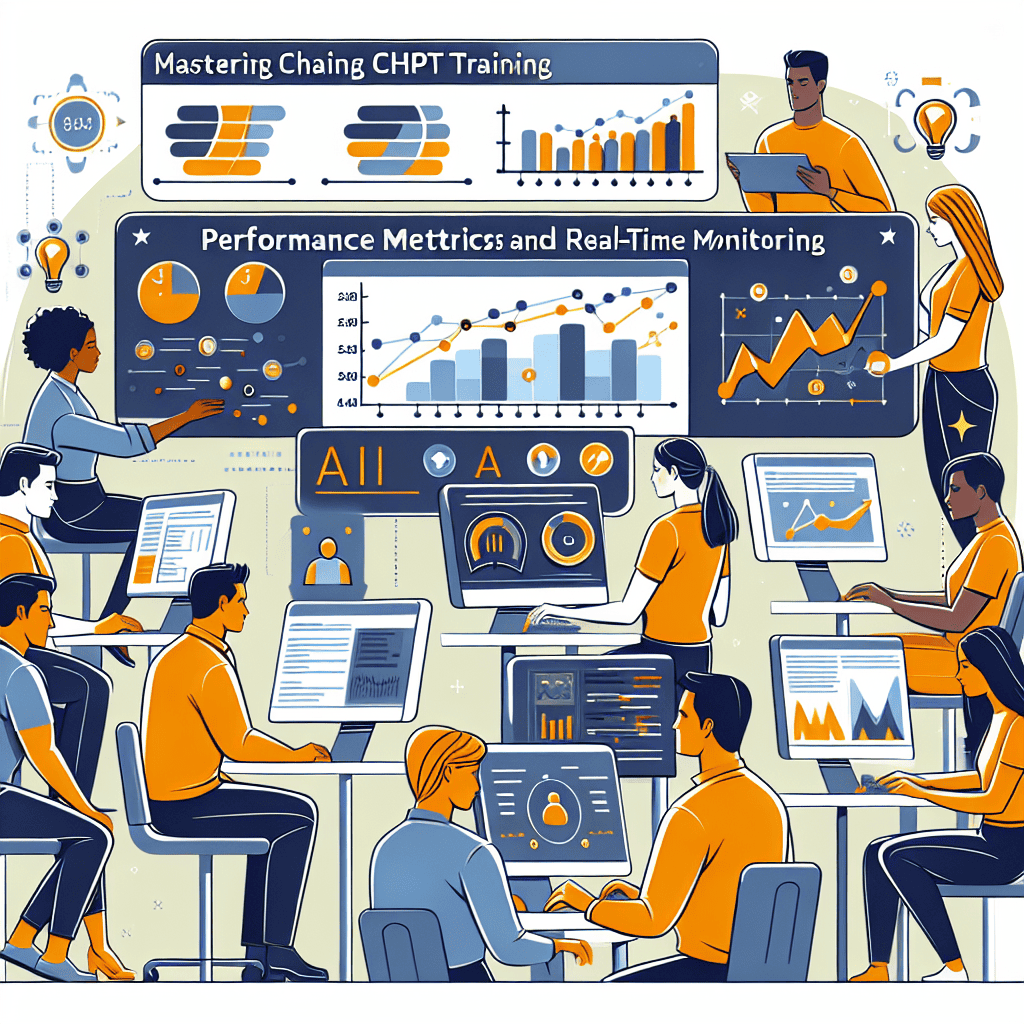
- Advanced Visualization: Investments in comprehensive dashboards provide real-time insights into both business and model-specific metrics, facilitating swift adjustments to improve performance. Metrics are visualized in a manner that teams can quickly identify friction points in customer journeys.
Utilizing Analytics Tools
Tools like New Relic and Sobot support multi-metric monitoring across different AI models. By leveraging these platforms, businesses are empowered to optimize their chatbots effectively, ensuring that they deliver not only quick responses but also contextually relevant interactions.
Successful Case Studies
Numerous high-performing enterprise bots boast operational metrics that exceed industry benchmarks. In one notable evaluation, GPT-4 achieved a remarkable 63% accuracy on a professional exam, surpassing earlier iterations thanks to tailored prompting strategies. This comparative analysis to human baselines showcases the potential of adopting focused testing to maximize chatbot effectiveness.
Monetization Opportunities
- SaaS Licensing: Positioning the GPT-4 chatbot as a subscription-based service with tiered pricing models.
- Premium Analytics: Offering in-depth, segmented access to performance dashboards or analytical reports on chatbot efficiency.
- API Monetization: Implementing charging on a per-token or per-completion basis for interactively driven environments.
- Vertical-Specific Solutions: Crafting tailored chatbots for industry verticals such as healthcare, finance, or retail, allowing for optimized metrics that comply with specific regulations.
- Outcome-Based Pricing: Charging clients based on achieved business outcomes such as leads acquired or sales made, supported by real-time KPI dashboards which demonstrate the chatbot’s value.
Best Practices for Gargantuan ROI
- Thorough Benchmarking: Regularly employing a blend of NLP metrics, business KPIs, and technical observability to glean comprehensive insights.
- Iteratively Fine-Tune: Utilize real conversation data and feedback to refine your chat capabilities continually.
- Optimize for Costs: Monitoring token usage and error rates helps manage expenses while enhancing the user experience.
- Real-Time Dashboard Utilization: Implement tools that facilitate immediate insight into business and model-specific outcomes.
- Align Monetization with Value: Develop pricing structures tied to essential metrics your clients care about—like CSAT, containment rate, and task completion.
Conclusion
As AI technology continues to redefine the landscape of affiliate marketing, leveraging metrics to evaluate GPT-4 chatbot performance is pivotal for achieving business success. By adopting a comprehensive, multi-faceted approach to metric evaluation, marketers can enhance user interaction, improve customer satisfaction, and drive significant revenue growth through AI-powered solutions.
Are you ready to elevate your affiliate marketing game using AI-driven chatbots? Explore our cutting-edge affiliate programs or reach out to our dedicated team today for tailored solutions that maximize your revenue potential!
Frequently Asked Questions
What metrics are essential for evaluating GPT-4 chatbots?
Essential metrics include Perplexity Score, F1 Score, Customer Satisfaction (CSAT), and Containment Rate, among others.
How often should I benchmark and evaluate my chatbot’s performance?
Regularly—at least quarterly—to identify areas of improvement and adapt to changing user needs.
Can I monetize my chatbot?
Yes! Opportunities include SaaS licensing, premium analytics, and outcome-based pricing models.
How do I improve my chatbot based on performance metrics?
Iteratively fine-tune your chatbot using real conversation data, monitor errors, and optimize for user satisfaction.
What metrics are essential for evaluating GPT-4 chatbots?
Essential metrics include Perplexity Score, F1 Score, Customer Satisfaction (CSAT), and Containment Rate, among others.
How often should I benchmark and evaluate my chatbot’s performance?
Regularly—at least quarterly—to identify areas of improvement and adapt to changing user needs.
Can I monetize my chatbot?
Yes! Opportunities include SaaS licensing, premium analytics, and outcome-based pricing models.
How do I improve my chatbot based on performance metrics?
Iteratively fine-tune your chatbot using real conversation data, monitor errors, and optimize for user satisfaction.
Table of Contents
- Introduction
- Understanding GPT-4 Performance Metrics
- Key Performance Metrics
- Competitor Strategies and Best Practices
- Benchmarking and Fine-Tuning
- Utilizing Analytics Tools
- Successful Case Studies
- Monetization Opportunities
- Best Practices for Gargantuan ROI
- Conclusion
Introduction
In today’s rapidly evolving digital landscape, affiliate marketing relies not only on creative strategies but also on leveraging cutting-edge technologies, including AI and large language models (LLMs) like GPT-4. As businesses seek to optimize their online presence and maximize revenue, understanding how to evaluate GPT-4 chatbot performance emerges as a critical topic in affiliate marketing. This blog post delves deep into the various metrics that can help businesses—marketers, publishers, and advertisers—effectively assess their AI-driven chatbots.
As affiliate marketers, we thrive on data and performance. With the integration of AI into customer interactions, evaluating chatbots through robust metrics is no longer an option but a necessity to drive better outcomes. By the end of this article, you’ll gain insights into practical strategies for improving your chatbot performance, using data-driven metrics to enhance user experiences, and ultimately boosting your affiliate earnings.
Understanding GPT-4 Performance Metrics
Metrics for evaluating GPT-4 chatbot performance encompass a range of quantitative and qualitative indicators. These metrics can be categorized as traditional NLP metrics, business key performance indicators (KPIs), and technical observability measures. A comprehensive evaluation strategy incorporates these indicators to deliver maximum value and robustness to user experiences.
Key Performance Metrics
- Perplexity Score: This measures how well the model predicts the next token given the previous context. A lower perplexity score indicates smoother, more human-like dialogues, which is critical for maintaining user engagement.
- F1 Score: This metric gauges accuracy by determining the harmonic mean of precision and recall. High F1 scores suggest that the bot is effectively recognizing intents and providing relevant responses.
- BLEU Score: Primarily utilized in machine translation, BLEU evaluates how closely the chatbot’s responses match human-generated language. Although it’s typically for text generation, it informs about the naturalness of interactions.
- Customer Satisfaction (CSAT): Direct user feedback provides insights into how satisfied customers are with the interactions. High CSAT scores reflect positively on the success and effectiveness of the chatbot.
- Containment Rate: This measures the percentage of queries the chatbot handles successfully without human intervention. A containment rate exceeding 65% is desirable, indicating efficiency and reduced operational costs.
- Churn Rate: Measuring the percentage of users who disengage after interacting with the chatbot, maintaining a churn rate below 7% signifies strong user retention.
- Resolution Rate: It indicates the percentage of queries or tickets solved autonomously by the chatbot. A high resolution rate demonstrates the bot’s ability to resolve customer issues without escalating them to human agents.
- Task Completion Rate: This evaluates the percentage of tasks initiated by users that are successfully completed. A rate above 70% is a benchmark for effective task facilitation.
- Response Time: The average time taken by the chatbot to reply to users is crucial for user experience. Quick response times enhance user satisfaction and decrease abandonment rates.
- Error Rate: This tracks the percentage of nonsensical or failed responses from the chatbot. High error rates trigger a need for retraining and fine-tuning.
Additional Metrics Considerations
- Average Conversation Length: A longer conversation can indicate user interest but can also suggest inefficiency if it veers off-topic. Context matters when analyzing this metric.
- Engaged Conversations: This metric measures the depth of exchanges and indicates the chatbot’s capability to handle complex queries.
- Human Takeover Rate: A low human takeover rate aligns with the goal of autonomous service, suggesting that the chatbot is satisfactorily addressing user needs.
Strategic Use of Metrics
Leading platforms focus on a combination of AI-centric and user-centric metrics to continuously enhance model performance and user engagement. It’s important to consider not just technical metrics but also business outcomes like value retention and customer experience.
Industry benchmarks serve as useful references; for instance:
| Metric | Description | Strategic Insight |
|---|---|---|
| Perplexity Score | Lower is better; measures prediction accuracy | Indicates fluidity and realism |
| F1 Score | Measures model output accuracy against a standard | Crucial for domain-specific applications |
| BLEU Score | Evaluates closeness to human-like language | Assesses naturalness and relevance |
| CSAT | User-rated satisfaction score | Direct measure of service effectiveness |
| Containment Rate | Queries handled solely by the bot | Indicates cost efficiency |
| Churn Rate | Percentage of users leaving post-interaction | Signals levels of user retention |
| Resolution Rate | Tracks issues resolved autonomously | Assesses problem-solving capacity |
| Task Completion Rate | Percentage of tasks successfully completed | Ties to bot utility and effectiveness |
| Response Time | Average time until user receives a reply | Critical for enhancing user experience |
| Error Rate | Percentage of failed responses | Identifies retraining needs |
| Average Conversation Length | Indicates interaction length | Evaluates engagement levels |
Competitor Strategies and Best Practices
To derive true value from GPT-4 chatbots, many organizations emphasize regular benchmarking and fine-tuning of chatbots. This is accomplished through the combination of user testing and in-depth analytics to identify strengths and weaknesses in their conversational abilities.
Benchmarking and Fine-Tuning
- Multi-Model Support: Using analytics to compare the performance of different models helps in real-time optimization. By running GPT-4 alongside other models, companies assess and route requests for better outcomes.
- Advanced Visualization: Investments in comprehensive dashboards provide real-time insights into both business and model-specific metrics, facilitating swift adjustments to improve performance. Metrics are visualized in a manner that teams can quickly identify friction points in customer journeys.
Utilizing Analytics Tools
Tools like New Relic and Sobot support multi-metric monitoring across different AI models. By leveraging these platforms, businesses are empowered to optimize their chatbots effectively, ensuring that they deliver not only quick responses but also contextually relevant interactions.
Successful Case Studies
Numerous high-performing enterprise bots boast operational metrics that exceed industry benchmarks. In one notable evaluation, GPT-4 achieved a remarkable 63% accuracy on a professional exam, surpassing earlier iterations thanks to tailored prompting strategies. This comparative analysis to human baselines showcases the potential of adopting focused testing to maximize chatbot effectiveness.
Monetization Opportunities
- SaaS Licensing: Positioning the GPT-4 chatbot as a subscription-based service with tiered pricing models.
- Premium Analytics: Offering in-depth, segmented access to performance dashboards or analytical reports on chatbot efficiency.
- API Monetization: Implementing charging on a per-token or per-completion basis for interactively driven environments.
- Vertical-Specific Solutions: Crafting tailored chatbots for industry verticals such as healthcare, finance, or retail, allowing for optimized metrics that comply with specific regulations.
- Outcome-Based Pricing: Charging clients based on achieved business outcomes such as leads acquired or sales made, supported by real-time KPI dashboards which demonstrate the chatbot’s value.
Best Practices for Gargantuan ROI
- Thorough Benchmarking: Regularly employing a blend of NLP metrics, business KPIs, and technical observability to glean comprehensive insights.
- Iteratively Fine-Tune: Utilize real conversation data and feedback to refine your chat capabilities continually.
- Optimize for Costs: Monitoring token usage and error rates helps manage expenses while enhancing the user experience.
- Real-Time Dashboard Utilization: Implement tools that facilitate immediate insight into business and model-specific outcomes.
- Align Monetization with Value: Develop pricing structures tied to essential metrics your clients care about—like CSAT, containment rate, and task completion.
Conclusion
As AI technology continues to redefine the landscape of affiliate marketing, leveraging metrics to evaluate GPT-4 chatbot performance is pivotal for achieving business success. By adopting a comprehensive, multi-faceted approach to metric evaluation, marketers can enhance user interaction, improve customer satisfaction, and drive significant revenue growth through AI-powered solutions.
Are you ready to elevate your affiliate marketing game using AI-driven chatbots? Explore our cutting-edge affiliate programs or reach out to our dedicated team today for tailored solutions that maximize your revenue potential!
Frequently Asked Questions
What metrics are essential for evaluating GPT-4 chatbots?
Essential metrics include Perplexity Score, F1 Score, Customer Satisfaction (CSAT), and Containment Rate, among others.
How often should I benchmark and evaluate my chatbot’s performance?
Regularly—at least quarterly—to identify areas of improvement and adapt to changing user needs.
Can I monetize my chatbot?
Yes! Opportunities include SaaS licensing, premium analytics, and outcome-based pricing models.
How do I improve my chatbot based on performance metrics?
Iteratively fine-tune your chatbot using real conversation data, monitor errors, and optimize for user satisfaction.
What metrics are essential for evaluating GPT-4 chatbots?
Essential metrics include Perplexity Score, F1 Score, Customer Satisfaction (CSAT), and Containment Rate, among others.
How often should I benchmark and evaluate my chatbot’s performance?
Regularly—at least quarterly—to identify areas of improvement and adapt to changing user needs.
Can I monetize my chatbot?
Yes! Opportunities include SaaS licensing, premium analytics, and outcome-based pricing models.
How do I improve my chatbot based on performance metrics?
Iteratively fine-tune your chatbot using real conversation data, monitor errors, and optimize for user satisfaction.
Table of Contents
- Introduction
- Understanding GPT-4 Performance Metrics
- Key Performance Metrics
- Competitor Strategies and Best Practices
- Benchmarking and Fine-Tuning
- Utilizing Analytics Tools
- Successful Case Studies
- Monetization Opportunities
- Best Practices for Gargantuan ROI
- Conclusion
Introduction
In today’s rapidly evolving digital landscape, affiliate marketing relies not only on creative strategies but also on leveraging cutting-edge technologies, including AI and large language models (LLMs) like GPT-4. As businesses seek to optimize their online presence and maximize revenue, understanding how to evaluate GPT-4 chatbot performance emerges as a critical topic in affiliate marketing. This blog post delves deep into the various metrics that can help businesses—marketers, publishers, and advertisers—effectively assess their AI-driven chatbots.
As affiliate marketers, we thrive on data and performance. With the integration of AI into customer interactions, evaluating chatbots through robust metrics is no longer an option but a necessity to drive better outcomes. By the end of this article, you’ll gain insights into practical strategies for improving your chatbot performance, using data-driven metrics to enhance user experiences, and ultimately boosting your affiliate earnings.
Understanding GPT-4 Performance Metrics
Metrics for evaluating GPT-4 chatbot performance encompass a range of quantitative and qualitative indicators. These metrics can be categorized as traditional NLP metrics, business key performance indicators (KPIs), and technical observability measures. A comprehensive evaluation strategy incorporates these indicators to deliver maximum value and robustness to user experiences.
Key Performance Metrics
- Perplexity Score: This measures how well the model predicts the next token given the previous context. A lower perplexity score indicates smoother, more human-like dialogues, which is critical for maintaining user engagement.
- F1 Score: This metric gauges accuracy by determining the harmonic mean of precision and recall. High F1 scores suggest that the bot is effectively recognizing intents and providing relevant responses.
- BLEU Score: Primarily utilized in machine translation, BLEU evaluates how closely the chatbot’s responses match human-generated language. Although it’s typically for text generation, it informs about the naturalness of interactions.
- Customer Satisfaction (CSAT): Direct user feedback provides insights into how satisfied customers are with the interactions. High CSAT scores reflect positively on the success and effectiveness of the chatbot.
- Containment Rate: This measures the percentage of queries the chatbot handles successfully without human intervention. A containment rate exceeding 65% is desirable, indicating efficiency and reduced operational costs.
- Churn Rate: Measuring the percentage of users who disengage after interacting with the chatbot, maintaining a churn rate below 7% signifies strong user retention.
- Resolution Rate: It indicates the percentage of queries or tickets solved autonomously by the chatbot. A high resolution rate demonstrates the bot’s ability to resolve customer issues without escalating them to human agents.
- Task Completion Rate: This evaluates the percentage of tasks initiated by users that are successfully completed. A rate above 70% is a benchmark for effective task facilitation.
- Response Time: The average time taken by the chatbot to reply to users is crucial for user experience. Quick response times enhance user satisfaction and decrease abandonment rates.
- Error Rate: This tracks the percentage of nonsensical or failed responses from the chatbot. High error rates trigger a need for retraining and fine-tuning.
Additional Metrics Considerations
- Average Conversation Length: A longer conversation can indicate user interest but can also suggest inefficiency if it veers off-topic. Context matters when analyzing this metric.
- Engaged Conversations: This metric measures the depth of exchanges and indicates the chatbot’s capability to handle complex queries.
- Human Takeover Rate: A low human takeover rate aligns with the goal of autonomous service, suggesting that the chatbot is satisfactorily addressing user needs.
Strategic Use of Metrics
Leading platforms focus on a combination of AI-centric and user-centric metrics to continuously enhance model performance and user engagement. It’s important to consider not just technical metrics but also business outcomes like value retention and customer experience.
Industry benchmarks serve as useful references; for instance:
| Metric | Description | Strategic Insight |
|---|---|---|
| Perplexity Score | Lower is better; measures prediction accuracy | Indicates fluidity and realism |
| F1 Score | Measures model output accuracy against a standard | Crucial for domain-specific applications |
| BLEU Score | Evaluates closeness to human-like language | Assesses naturalness and relevance |
| CSAT | User-rated satisfaction score | Direct measure of service effectiveness |
| Containment Rate | Queries handled solely by the bot | Indicates cost efficiency |
| Churn Rate | Percentage of users leaving post-interaction | Signals levels of user retention |
| Resolution Rate | Tracks issues resolved autonomously | Assesses problem-solving capacity |
| Task Completion Rate | Percentage of tasks successfully completed | Ties to bot utility and effectiveness |
| Response Time | Average time until user receives a reply | Critical for enhancing user experience |
| Error Rate | Percentage of failed responses | Identifies retraining needs |
| Average Conversation Length | Indicates interaction length | Evaluates engagement levels |
Competitor Strategies and Best Practices
To derive true value from GPT-4 chatbots, many organizations emphasize regular benchmarking and fine-tuning of chatbots. This is accomplished through the combination of user testing and in-depth analytics to identify strengths and weaknesses in their conversational abilities.
Benchmarking and Fine-Tuning
- Multi-Model Support: Using analytics to compare the performance of different models helps in real-time optimization. By running GPT-4 alongside other models, companies assess and route requests for better outcomes.
- Advanced Visualization: Investments in comprehensive dashboards provide real-time insights into both business and model-specific metrics, facilitating swift adjustments to improve performance. Metrics are visualized in a manner that teams can quickly identify friction points in customer journeys.
Utilizing Analytics Tools
Tools like New Relic and Sobot support multi-metric monitoring across different AI models. By leveraging these platforms, businesses are empowered to optimize their chatbots effectively, ensuring that they deliver not only quick responses but also contextually relevant interactions.
Successful Case Studies
Numerous high-performing enterprise bots boast operational metrics that exceed industry benchmarks. In one notable evaluation, GPT-4 achieved a remarkable 63% accuracy on a professional exam, surpassing earlier iterations thanks to tailored prompting strategies. This comparative analysis to human baselines showcases the potential of adopting focused testing to maximize chatbot effectiveness.
Monetization Opportunities
- SaaS Licensing: Positioning the GPT-4 chatbot as a subscription-based service with tiered pricing models.
- Premium Analytics: Offering in-depth, segmented access to performance dashboards or analytical reports on chatbot efficiency.
- API Monetization: Implementing charging on a per-token or per-completion basis for interactively driven environments.
- Vertical-Specific Solutions: Crafting tailored chatbots for industry verticals such as healthcare, finance, or retail, allowing for optimized metrics that comply with specific regulations.
- Outcome-Based Pricing: Charging clients based on achieved business outcomes such as leads acquired or sales made, supported by real-time KPI dashboards which demonstrate the chatbot’s value.
Best Practices for Gargantuan ROI
- Thorough Benchmarking: Regularly employing a blend of NLP metrics, business KPIs, and technical observability to glean comprehensive insights.
- Iteratively Fine-Tune: Utilize real conversation data and feedback to refine your chat capabilities continually.
- Optimize for Costs: Monitoring token usage and error rates helps manage expenses while enhancing the user experience.
- Real-Time Dashboard Utilization: Implement tools that facilitate immediate insight into business and model-specific outcomes.
- Align Monetization with Value: Develop pricing structures tied to essential metrics your clients care about—like CSAT, containment rate, and task completion.
Conclusion
As AI technology continues to redefine the landscape of affiliate marketing, leveraging metrics to evaluate GPT-4 chatbot performance is pivotal for achieving business success. By adopting a comprehensive, multi-faceted approach to metric evaluation, marketers can enhance user interaction, improve customer satisfaction, and drive significant revenue growth through AI-powered solutions.
Are you ready to elevate your affiliate marketing game using AI-driven chatbots? Explore our cutting-edge affiliate programs or reach out to our dedicated team today for tailored solutions that maximize your revenue potential!
Frequently Asked Questions
What metrics are essential for evaluating GPT-4 chatbots?
Essential metrics include Perplexity Score, F1 Score, Customer Satisfaction (CSAT), and Containment Rate, among others.
How often should I benchmark and evaluate my chatbot’s performance?
Regularly—at least quarterly—to identify areas of improvement and adapt to changing user needs.
Can I monetize my chatbot?
Yes! Opportunities include SaaS licensing, premium analytics, and outcome-based pricing models.
How do I improve my chatbot based on performance metrics?
Iteratively fine-tune your chatbot using real conversation data, monitor errors, and optimize for user satisfaction.
What metrics are essential for evaluating GPT-4 chatbots?
Essential metrics include Perplexity Score, F1 Score, Customer Satisfaction (CSAT), and Containment Rate, among others.
How often should I benchmark and evaluate my chatbot’s performance?
Regularly—at least quarterly—to identify areas of improvement and adapt to changing user needs.
Can I monetize my chatbot?
Yes! Opportunities include SaaS licensing, premium analytics, and outcome-based pricing models.
How do I improve my chatbot based on performance metrics?
Iteratively fine-tune your chatbot using real conversation data, monitor errors, and optimize for user satisfaction.
What metrics are essential for evaluating GPT-4 chatbots?
Essential metrics include Perplexity Score, F1 Score, Customer Satisfaction (CSAT), and Containment Rate, among others.
How often should I benchmark and evaluate my chatbot’s performance?
Regularly—at least quarterly—to identify areas of improvement and adapt to changing user needs.
Can I monetize my chatbot?
Yes! Opportunities include SaaS licensing, premium analytics, and outcome-based pricing models.
How do I improve my chatbot based on performance metrics?
Iteratively fine-tune your chatbot using real conversation data, monitor errors, and optimize for user satisfaction.
Table of Contents
- Introduction
- Understanding GPT-4 Performance Metrics
- Key Performance Metrics
- Competitor Strategies and Best Practices
- Benchmarking and Fine-Tuning
- Utilizing Analytics Tools
- Successful Case Studies
- Monetization Opportunities
- Best Practices for Gargantuan ROI
- Conclusion
Introduction
In today’s rapidly evolving digital landscape, affiliate marketing relies not only on creative strategies but also on leveraging cutting-edge technologies, including AI and large language models (LLMs) like GPT-4. As businesses seek to optimize their online presence and maximize revenue, understanding how to evaluate GPT-4 chatbot performance emerges as a critical topic in affiliate marketing. This blog post delves deep into the various metrics that can help businesses—marketers, publishers, and advertisers—effectively assess their AI-driven chatbots.
As affiliate marketers, we thrive on data and performance. With the integration of AI into customer interactions, evaluating chatbots through robust metrics is no longer an option but a necessity to drive better outcomes. By the end of this article, you’ll gain insights into practical strategies for improving your chatbot performance, using data-driven metrics to enhance user experiences, and ultimately boosting your affiliate earnings.
Understanding GPT-4 Performance Metrics
Metrics for evaluating GPT-4 chatbot performance encompass a range of quantitative and qualitative indicators. These metrics can be categorized as traditional NLP metrics, business key performance indicators (KPIs), and technical observability measures. A comprehensive evaluation strategy incorporates these indicators to deliver maximum value and robustness to user experiences.
Key Performance Metrics
- Perplexity Score: This measures how well the model predicts the next token given the previous context. A lower perplexity score indicates smoother, more human-like dialogues, which is critical for maintaining user engagement.
- F1 Score: This metric gauges accuracy by determining the harmonic mean of precision and recall. High F1 scores suggest that the bot is effectively recognizing intents and providing relevant responses.
- BLEU Score: Primarily utilized in machine translation, BLEU evaluates how closely the chatbot’s responses match human-generated language. Although it’s typically for text generation, it informs about the naturalness of interactions.
- Customer Satisfaction (CSAT): Direct user feedback provides insights into how satisfied customers are with the interactions. High CSAT scores reflect positively on the success and effectiveness of the chatbot.
- Containment Rate: This measures the percentage of queries the chatbot handles successfully without human intervention. A containment rate exceeding 65% is desirable, indicating efficiency and reduced operational costs.
- Churn Rate: Measuring the percentage of users who disengage after interacting with the chatbot, maintaining a churn rate below 7% signifies strong user retention.
- Resolution Rate: It indicates the percentage of queries or tickets solved autonomously by the chatbot. A high resolution rate demonstrates the bot’s ability to resolve customer issues without escalating them to human agents.
- Task Completion Rate: This evaluates the percentage of tasks initiated by users that are successfully completed. A rate above 70% is a benchmark for effective task facilitation.
- Response Time: The average time taken by the chatbot to reply to users is crucial for user experience. Quick response times enhance user satisfaction and decrease abandonment rates.
- Error Rate: This tracks the percentage of nonsensical or failed responses from the chatbot. High error rates trigger a need for retraining and fine-tuning.
Additional Metrics Considerations
- Average Conversation Length: A longer conversation can indicate user interest but can also suggest inefficiency if it veers off-topic. Context matters when analyzing this metric.
- Engaged Conversations: This metric measures the depth of exchanges and indicates the chatbot’s capability to handle complex queries.
- Human Takeover Rate: A low human takeover rate aligns with the goal of autonomous service, suggesting that the chatbot is satisfactorily addressing user needs.
Strategic Use of Metrics
Leading platforms focus on a combination of AI-centric and user-centric metrics to continuously enhance model performance and user engagement. It’s important to consider not just technical metrics but also business outcomes like value retention and customer experience.
Industry benchmarks serve as useful references; for instance:
| Metric | Description | Strategic Insight |
|---|---|---|
| Perplexity Score | Lower is better; measures prediction accuracy | Indicates fluidity and realism |
| F1 Score | Measures model output accuracy against a standard | Crucial for domain-specific applications |
| BLEU Score | Evaluates closeness to human-like language | Assesses naturalness and relevance |
| CSAT | User-rated satisfaction score | Direct measure of service effectiveness |
| Containment Rate | Queries handled solely by the bot | Indicates cost efficiency |
| Churn Rate | Percentage of users leaving post-interaction | Signals levels of user retention |
| Resolution Rate | Tracks issues resolved autonomously | Assesses problem-solving capacity |
| Task Completion Rate | Percentage of tasks successfully completed | Ties to bot utility and effectiveness |
| Response Time | Average time until user receives a reply | Critical for enhancing user experience |
| Error Rate | Percentage of failed responses | Identifies retraining needs |
| Average Conversation Length | Indicates interaction length | Evaluates engagement levels |
Competitor Strategies and Best Practices
To derive true value from GPT-4 chatbots, many organizations emphasize regular benchmarking and fine-tuning of chatbots. This is accomplished through the combination of user testing and in-depth analytics to identify strengths and weaknesses in their conversational abilities.
Benchmarking and Fine-Tuning
- Multi-Model Support: Using analytics to compare the performance of different models helps in real-time optimization. By running GPT-4 alongside other models, companies assess and route requests for better outcomes.
- Advanced Visualization: Investments in comprehensive dashboards provide real-time insights into both business and model-specific metrics, facilitating swift adjustments to improve performance. Metrics are visualized in a manner that teams can quickly identify friction points in customer journeys.
Utilizing Analytics Tools
Tools like New Relic and Sobot support multi-metric monitoring across different AI models. By leveraging these platforms, businesses are empowered to optimize their chatbots effectively, ensuring that they deliver not only quick responses but also contextually relevant interactions.
Successful Case Studies
Numerous high-performing enterprise bots boast operational metrics that exceed industry benchmarks. In one notable evaluation, GPT-4 achieved a remarkable 63% accuracy on a professional exam, surpassing earlier iterations thanks to tailored prompting strategies. This comparative analysis to human baselines showcases the potential of adopting focused testing to maximize chatbot effectiveness.
Monetization Opportunities
- SaaS Licensing: Positioning the GPT-4 chatbot as a subscription-based service with tiered pricing models.
- Premium Analytics: Offering in-depth, segmented access to performance dashboards or analytical reports on chatbot efficiency.
- API Monetization: Implementing charging on a per-token or per-completion basis for interactively driven environments.
- Vertical-Specific Solutions: Crafting tailored chatbots for industry verticals such as healthcare, finance, or retail, allowing for optimized metrics that comply with specific regulations.
- Outcome-Based Pricing: Charging clients based on achieved business outcomes such as leads acquired or sales made, supported by real-time KPI dashboards which demonstrate the chatbot’s value.
Best Practices for Gargantuan ROI
- Thorough Benchmarking: Regularly employing a blend of NLP metrics, business KPIs, and technical observability to glean comprehensive insights.
- Iteratively Fine-Tune: Utilize real conversation data and feedback to refine your chat capabilities continually.
- Optimize for Costs: Monitoring token usage and error rates helps manage expenses while enhancing the user experience.
- Real-Time Dashboard Utilization: Implement tools that facilitate immediate insight into business and model-specific outcomes.
- Align Monetization with Value: Develop pricing structures tied to essential metrics your clients care about—like CSAT, containment rate, and task completion.
Conclusion
As AI technology continues to redefine the landscape of affiliate marketing, leveraging metrics to evaluate GPT-4 chatbot performance is pivotal for achieving business success. By adopting a comprehensive, multi-faceted approach to metric evaluation, marketers can enhance user interaction, improve customer satisfaction, and drive significant revenue growth through AI-powered solutions.
Are you ready to elevate your affiliate marketing game using AI-driven chatbots? Explore our cutting-edge affiliate programs or reach out to our dedicated team today for tailored solutions that maximize your revenue potential!
Frequently Asked Questions
What metrics are essential for evaluating GPT-4 chatbots?
Essential metrics include Perplexity Score, F1 Score, Customer Satisfaction (CSAT), and Containment Rate, among others.
How often should I benchmark and evaluate my chatbot’s performance?
Regularly—at least quarterly—to identify areas of improvement and adapt to changing user needs.
Can I monetize my chatbot?
Yes! Opportunities include SaaS licensing, premium analytics, and outcome-based pricing models.
How do I improve my chatbot based on performance metrics?
Iteratively fine-tune your chatbot using real conversation data, monitor errors, and optimize for user satisfaction.
What metrics are essential for evaluating GPT-4 chatbots?
Essential metrics include Perplexity Score, F1 Score, Customer Satisfaction (CSAT), and Containment Rate, among others.
How often should I benchmark and evaluate my chatbot’s performance?
Regularly—at least quarterly—to identify areas of improvement and adapt to changing user needs.
Can I monetize my chatbot?
Yes! Opportunities include SaaS licensing, premium analytics, and outcome-based pricing models.
How do I improve my chatbot based on performance metrics?
Iteratively fine-tune your chatbot using real conversation data, monitor errors, and optimize for user satisfaction.
What metrics are essential for evaluating GPT-4 chatbots?
Essential metrics include Perplexity Score, F1 Score, Customer Satisfaction (CSAT), and Containment Rate, among others.
How often should I benchmark and evaluate my chatbot’s performance?
Regularly—at least quarterly—to identify areas of improvement and adapt to changing user needs.
Can I monetize my chatbot?
Yes! Opportunities include SaaS licensing, premium analytics, and outcome-based pricing models.
How do I improve my chatbot based on performance metrics?
Iteratively fine-tune your chatbot using real conversation data, monitor errors, and optimize for user satisfaction.
What metrics are essential for evaluating GPT-4 chatbots?
Essential metrics include Perplexity Score, F1 Score, Customer Satisfaction (CSAT), and Containment Rate, among others.
How often should I benchmark and evaluate my chatbot’s performance?
Regularly—at least quarterly—to identify areas of improvement and adapt to changing user needs.
Can I monetize my chatbot?
Yes! Opportunities include SaaS licensing, premium analytics, and outcome-based pricing models.
How do I improve my chatbot based on performance metrics?
Iteratively fine-tune your chatbot using real conversation data, monitor errors, and optimize for user satisfaction.
Table of Contents
- Introduction
- Understanding GPT-4 Performance Metrics
- Key Performance Metrics
- Competitor Strategies and Best Practices
- Benchmarking and Fine-Tuning
- Utilizing Analytics Tools
- Successful Case Studies
- Monetization Opportunities
- Best Practices for Gargantuan ROI
- Conclusion
Introduction
In today’s rapidly evolving digital landscape, affiliate marketing relies not only on creative strategies but also on leveraging cutting-edge technologies, including AI and large language models (LLMs) like GPT-4. As businesses seek to optimize their online presence and maximize revenue, understanding how to evaluate GPT-4 chatbot performance emerges as a critical topic in affiliate marketing. This blog post delves deep into the various metrics that can help businesses—marketers, publishers, and advertisers—effectively assess their AI-driven chatbots.
As affiliate marketers, we thrive on data and performance. With the integration of AI into customer interactions, evaluating chatbots through robust metrics is no longer an option but a necessity to drive better outcomes. By the end of this article, you’ll gain insights into practical strategies for improving your chatbot performance, using data-driven metrics to enhance user experiences, and ultimately boosting your affiliate earnings.
Understanding GPT-4 Performance Metrics
Metrics for evaluating GPT-4 chatbot performance encompass a range of quantitative and qualitative indicators. These metrics can be categorized as traditional NLP metrics, business key performance indicators (KPIs), and technical observability measures. A comprehensive evaluation strategy incorporates these indicators to deliver maximum value and robustness to user experiences.
Key Performance Metrics
- Perplexity Score: This measures how well the model predicts the next token given the previous context. A lower perplexity score indicates smoother, more human-like dialogues, which is critical for maintaining user engagement.
- F1 Score: This metric gauges accuracy by determining the harmonic mean of precision and recall. High F1 scores suggest that the bot is effectively recognizing intents and providing relevant responses.
- BLEU Score: Primarily utilized in machine translation, BLEU evaluates how closely the chatbot’s responses match human-generated language. Although it’s typically for text generation, it informs about the naturalness of interactions.
- Customer Satisfaction (CSAT): Direct user feedback provides insights into how satisfied customers are with the interactions. High CSAT scores reflect positively on the success and effectiveness of the chatbot.
- Containment Rate: This measures the percentage of queries the chatbot handles successfully without human intervention. A containment rate exceeding 65% is desirable, indicating efficiency and reduced operational costs.
- Churn Rate: Measuring the percentage of users who disengage after interacting with the chatbot, maintaining a churn rate below 7% signifies strong user retention.
- Resolution Rate: It indicates the percentage of queries or tickets solved autonomously by the chatbot. A high resolution rate demonstrates the bot’s ability to resolve customer issues without escalating them to human agents.
- Task Completion Rate: This evaluates the percentage of tasks initiated by users that are successfully completed. A rate above 70% is a benchmark for effective task facilitation.
- Response Time: The average time taken by the chatbot to reply to users is crucial for user experience. Quick response times enhance user satisfaction and decrease abandonment rates.
- Error Rate: This tracks the percentage of nonsensical or failed responses from the chatbot. High error rates trigger a need for retraining and fine-tuning.
Additional Metrics Considerations
- Average Conversation Length: A longer conversation can indicate user interest but can also suggest inefficiency if it veers off-topic. Context matters when analyzing this metric.
- Engaged Conversations: This metric measures the depth of exchanges and indicates the chatbot’s capability to handle complex queries.
- Human Takeover Rate: A low human takeover rate aligns with the goal of autonomous service, suggesting that the chatbot is satisfactorily addressing user needs.
Strategic Use of Metrics
Leading platforms focus on a combination of AI-centric and user-centric metrics to continuously enhance model performance and user engagement. It’s important to consider not just technical metrics but also business outcomes like value retention and customer experience.
Industry benchmarks serve as useful references; for instance:
| Metric | Description | Strategic Insight |
|---|---|---|
| Perplexity Score | Lower is better; measures prediction accuracy | Indicates fluidity and realism |
| F1 Score | Measures model output accuracy against a standard | Crucial for domain-specific applications |
| BLEU Score | Evaluates closeness to human-like language | Assesses naturalness and relevance |
| CSAT | User-rated satisfaction score | Direct measure of service effectiveness |
| Containment Rate | Queries handled solely by the bot | Indicates cost efficiency |
| Churn Rate | Percentage of users leaving post-interaction | Signals levels of user retention |
| Resolution Rate | Tracks issues resolved autonomously | Assesses problem-solving capacity |
| Task Completion Rate | Percentage of tasks successfully completed | Ties to bot utility and effectiveness |
| Response Time | Average time until user receives a reply | Critical for enhancing user experience |
| Error Rate | Percentage of failed responses | Identifies retraining needs |
| Average Conversation Length | Indicates interaction length | Evaluates engagement levels |
Competitor Strategies and Best Practices
To derive true value from GPT-4 chatbots, many organizations emphasize regular benchmarking and fine-tuning of chatbots. This is accomplished through the combination of user testing and in-depth analytics to identify strengths and weaknesses in their conversational abilities.
Benchmarking and Fine-Tuning
- Multi-Model Support: Using analytics to compare the performance of different models helps in real-time optimization. By running GPT-4 alongside other models, companies assess and route requests for better outcomes.
- Advanced Visualization: Investments in comprehensive dashboards provide real-time insights into both business and model-specific metrics, facilitating swift adjustments to improve performance. Metrics are visualized in a manner that teams can quickly identify friction points in customer journeys.
Utilizing Analytics Tools
Tools like New Relic and Sobot support multi-metric monitoring across different AI models. By leveraging these platforms, businesses are empowered to optimize their chatbots effectively, ensuring that they deliver not only quick responses but also contextually relevant interactions.
Successful Case Studies
Numerous high-performing enterprise bots boast operational metrics that exceed industry benchmarks. In one notable evaluation, GPT-4 achieved a remarkable 63% accuracy on a professional exam, surpassing earlier iterations thanks to tailored prompting strategies. This comparative analysis to human baselines showcases the potential of adopting focused testing to maximize chatbot effectiveness.
Monetization Opportunities
- SaaS Licensing: Positioning the GPT-4 chatbot as a subscription-based service with tiered pricing models.
- Premium Analytics: Offering in-depth, segmented access to performance dashboards or analytical reports on chatbot efficiency.
- API Monetization: Implementing charging on a per-token or per-completion basis for interactively driven environments.
- Vertical-Specific Solutions: Crafting tailored chatbots for industry verticals such as healthcare, finance, or retail, allowing for optimized metrics that comply with specific regulations.
- Outcome-Based Pricing: Charging clients based on achieved business outcomes such as leads acquired or sales made, supported by real-time KPI dashboards which demonstrate the chatbot’s value.
Best Practices for Gargantuan ROI
- Thorough Benchmarking: Regularly employing a blend of NLP metrics, business KPIs, and technical observability to glean comprehensive insights.
- Iteratively Fine-Tune: Utilize real conversation data and feedback to refine your chat capabilities continually.
- Optimize for Costs: Monitoring token usage and error rates helps manage expenses while enhancing the user experience.
- Real-Time Dashboard Utilization: Implement tools that facilitate immediate insight into business and model-specific outcomes.
- Align Monetization with Value: Develop pricing structures tied to essential metrics your clients care about—like CSAT, containment rate, and task completion.
Conclusion
As AI technology continues to redefine the landscape of affiliate marketing, leveraging metrics to evaluate GPT-4 chatbot performance is pivotal for achieving business success. By adopting a comprehensive, multi-faceted approach to metric evaluation, marketers can enhance user interaction, improve customer satisfaction, and drive significant revenue growth through AI-powered solutions.
Are you ready to elevate your affiliate marketing game using AI-driven chatbots? Explore our cutting-edge affiliate programs or reach out to our dedicated team today for tailored solutions that maximize your revenue potential!
Frequently Asked Questions
What metrics are essential for evaluating GPT-4 chatbots?
Essential metrics include Perplexity Score, F1 Score, Customer Satisfaction (CSAT), and Containment Rate, among others.
How often should I benchmark and evaluate my chatbot’s performance?
Regularly—at least quarterly—to identify areas of improvement and adapt to changing user needs.
Can I monetize my chatbot?
Yes! Opportunities include SaaS licensing, premium analytics, and outcome-based pricing models.
How do I improve my chatbot based on performance metrics?
Iteratively fine-tune your chatbot using real conversation data, monitor errors, and optimize for user satisfaction.
Table of Contents
- Introduction
- Understanding GPT-4 Performance Metrics
- Key Performance Metrics
- Competitor Strategies and Best Practices
- Benchmarking and Fine-Tuning
- Utilizing Analytics Tools
- Successful Case Studies
- Monetization Opportunities
- Best Practices for Gargantuan ROI
- Conclusion
Introduction
In today’s rapidly evolving digital landscape, affiliate marketing relies not only on creative strategies but also on leveraging cutting-edge technologies, including AI and large language models (LLMs) like GPT-4. As businesses seek to optimize their online presence and maximize revenue, understanding how to evaluate GPT-4 chatbot performance emerges as a critical topic in affiliate marketing. This blog post delves deep into the various metrics that can help businesses—marketers, publishers, and advertisers—effectively assess their AI-driven chatbots.
As affiliate marketers, we thrive on data and performance. With the integration of AI into customer interactions, evaluating chatbots through robust metrics is no longer an option but a necessity to drive better outcomes. By the end of this article, you’ll gain insights into practical strategies for improving your chatbot performance, using data-driven metrics to enhance user experiences, and ultimately boosting your affiliate earnings.
Understanding GPT-4 Performance Metrics
Metrics for evaluating GPT-4 chatbot performance encompass a range of quantitative and qualitative indicators. These metrics can be categorized as traditional NLP metrics, business key performance indicators (KPIs), and technical observability measures. A comprehensive evaluation strategy incorporates these indicators to deliver maximum value and robustness to user experiences.
Key Performance Metrics
- Perplexity Score: This measures how well the model predicts the next token given the previous context. A lower perplexity score indicates smoother, more human-like dialogues, which is critical for maintaining user engagement.
- F1 Score: This metric gauges accuracy by determining the harmonic mean of precision and recall. High F1 scores suggest that the bot is effectively recognizing intents and providing relevant responses.
- BLEU Score: Primarily utilized in machine translation, BLEU evaluates how closely the chatbot’s responses match human-generated language. Although it’s typically for text generation, it informs about the naturalness of interactions.
- Customer Satisfaction (CSAT): Direct user feedback provides insights into how satisfied customers are with the interactions. High CSAT scores reflect positively on the success and effectiveness of the chatbot.
- Containment Rate: This measures the percentage of queries the chatbot handles successfully without human intervention. A containment rate exceeding 65% is desirable, indicating efficiency and reduced operational costs.
- Churn Rate: Measuring the percentage of users who disengage after interacting with the chatbot, maintaining a churn rate below 7% signifies strong user retention.
- Resolution Rate: It indicates the percentage of queries or tickets solved autonomously by the chatbot. A high resolution rate demonstrates the bot’s ability to resolve customer issues without escalating them to human agents.
- Task Completion Rate: This evaluates the percentage of tasks initiated by users that are successfully completed. A rate above 70% is a benchmark for effective task facilitation.
- Response Time: The average time taken by the chatbot to reply to users is crucial for user experience. Quick response times enhance user satisfaction and decrease abandonment rates.
- Error Rate: This tracks the percentage of nonsensical or failed responses from the chatbot. High error rates trigger a need for retraining and fine-tuning.
Additional Metrics Considerations
- Average Conversation Length: A longer conversation can indicate user interest but can also suggest inefficiency if it veers off-topic. Context matters when analyzing this metric.
- Engaged Conversations: This metric measures the depth of exchanges and indicates the chatbot’s capability to handle complex queries.
- Human Takeover Rate: A low human takeover rate aligns with the goal of autonomous service, suggesting that the chatbot is satisfactorily addressing user needs.
Strategic Use of Metrics
Leading platforms focus on a combination of AI-centric and user-centric metrics to continuously enhance model performance and user engagement. It’s important to consider not just technical metrics but also business outcomes like value retention and customer experience.
Industry benchmarks serve as useful references; for instance:
| Metric | Description | Strategic Insight |
|---|---|---|
| Perplexity Score | Lower is better; measures prediction accuracy | Indicates fluidity and realism |
| F1 Score | Measures model output accuracy against a standard | Crucial for domain-specific applications |
| BLEU Score | Evaluates closeness to human-like language | Assesses naturalness and relevance |
| CSAT | User-rated satisfaction score | Direct measure of service effectiveness |
| Containment Rate | Queries handled solely by the bot | Indicates cost efficiency |
| Churn Rate | Percentage of users leaving post-interaction | Signals levels of user retention |
| Resolution Rate | Tracks issues resolved autonomously | Assesses problem-solving capacity |
| Task Completion Rate | Percentage of tasks successfully completed | Ties to bot utility and effectiveness |
| Response Time | Average time until user receives a reply | Critical for enhancing user experience |
| Error Rate | Percentage of failed responses | Identifies retraining needs |
| Average Conversation Length | Indicates interaction length | Evaluates engagement levels |
Competitor Strategies and Best Practices
To derive true value from GPT-4 chatbots, many organizations emphasize regular benchmarking and fine-tuning of chatbots. This is accomplished through the combination of user testing and in-depth analytics to identify strengths and weaknesses in their conversational abilities.
Benchmarking and Fine-Tuning
- Multi-Model Support: Using analytics to compare the performance of different models helps in real-time optimization. By running GPT-4 alongside other models, companies assess and route requests for better outcomes.
- Advanced Visualization: Investments in comprehensive dashboards provide real-time insights into both business and model-specific metrics, facilitating swift adjustments to improve performance. Metrics are visualized in a manner that teams can quickly identify friction points in customer journeys.
Utilizing Analytics Tools
Tools like New Relic and Sobot support multi-metric monitoring across different AI models. By leveraging these platforms, businesses are empowered to optimize their chatbots effectively, ensuring that they deliver not only quick responses but also contextually relevant interactions.
Successful Case Studies
Numerous high-performing enterprise bots boast operational metrics that exceed industry benchmarks. In one notable evaluation, GPT-4 achieved a remarkable 63% accuracy on a professional exam, surpassing earlier iterations thanks to tailored prompting strategies. This comparative analysis to human baselines showcases the potential of adopting focused testing to maximize chatbot effectiveness.
Monetization Opportunities
- SaaS Licensing: Positioning the GPT-4 chatbot as a subscription-based service with tiered pricing models.
- Premium Analytics: Offering in-depth, segmented access to performance dashboards or analytical reports on chatbot efficiency.
- API Monetization: Implementing charging on a per-token or per-completion basis for interactively driven environments.
- Vertical-Specific Solutions: Crafting tailored chatbots for industry verticals such as healthcare, finance, or retail, allowing for optimized metrics that comply with specific regulations.
- Outcome-Based Pricing: Charging clients based on achieved business outcomes such as leads acquired or sales made, supported by real-time KPI dashboards which demonstrate the chatbot’s value.
Best Practices for Gargantuan ROI
- Thorough Benchmarking: Regularly employing a blend of NLP metrics, business KPIs, and technical observability to glean comprehensive insights.
- Iteratively Fine-Tune: Utilize real conversation data and feedback to refine your chat capabilities continually.
- Optimize for Costs: Monitoring token usage and error rates helps manage expenses while enhancing the user experience.
- Real-Time Dashboard Utilization: Implement tools that facilitate immediate insight into business and model-specific outcomes.
- Align Monetization with Value: Develop pricing structures tied to essential metrics your clients care about—like CSAT, containment rate, and task completion.
Conclusion
As AI technology continues to redefine the landscape of affiliate marketing, leveraging metrics to evaluate GPT-4 chatbot performance is pivotal for achieving business success. By adopting a comprehensive, multi-faceted approach to metric evaluation, marketers can enhance user interaction, improve customer satisfaction, and drive significant revenue growth through AI-powered solutions.
Are you ready to elevate your affiliate marketing game using AI-driven chatbots? Explore our cutting-edge affiliate programs or reach out to our dedicated team today for tailored solutions that maximize your revenue potential!
Frequently Asked Questions
What metrics are essential for evaluating GPT-4 chatbots?
Essential metrics include Perplexity Score, F1 Score, Customer Satisfaction (CSAT), and Containment Rate, among others.
How often should I benchmark and evaluate my chatbot’s performance?
Regularly—at least quarterly—to identify areas of improvement and adapt to changing user needs.
Can I monetize my chatbot?
Yes! Opportunities include SaaS licensing, premium analytics, and outcome-based pricing models.
How do I improve my chatbot based on performance metrics?
Iteratively fine-tune your chatbot using real conversation data, monitor errors, and optimize for user satisfaction.
What metrics are essential for evaluating GPT-4 chatbots?
Essential metrics include Perplexity Score, F1 Score, Customer Satisfaction (CSAT), and Containment Rate, among others.
How often should I benchmark and evaluate my chatbot’s performance?
Regularly—at least quarterly—to identify areas of improvement and adapt to changing user needs.
Can I monetize my chatbot?
Yes! Opportunities include SaaS licensing, premium analytics, and outcome-based pricing models.
How do I improve my chatbot based on performance metrics?
Iteratively fine-tune your chatbot using real conversation data, monitor errors, and optimize for user satisfaction.
What metrics are essential for evaluating GPT-4 chatbots?
Essential metrics include Perplexity Score, F1 Score, Customer Satisfaction (CSAT), and Containment Rate, among others.
How often should I benchmark and evaluate my chatbot’s performance?
Regularly—at least quarterly—to identify areas of improvement and adapt to changing user needs.
Can I monetize my chatbot?
Yes! Opportunities include SaaS licensing, premium analytics, and outcome-based pricing models.
How do I improve my chatbot based on performance metrics?
Iteratively fine-tune your chatbot using real conversation data, monitor errors, and optimize for user satisfaction.
Table of Contents
- Introduction
- Understanding GPT-4 Performance Metrics
- Key Performance Metrics
- Competitor Strategies and Best Practices
- Benchmarking and Fine-Tuning
- Utilizing Analytics Tools
- Successful Case Studies
- Monetization Opportunities
- Best Practices for Gargantuan ROI
- Conclusion
Introduction
In today’s rapidly evolving digital landscape, affiliate marketing relies not only on creative strategies but also on leveraging cutting-edge technologies, including AI and large language models (LLMs) like GPT-4. As businesses seek to optimize their online presence and maximize revenue, understanding how to evaluate GPT-4 chatbot performance emerges as a critical topic in affiliate marketing. This blog post delves deep into the various metrics that can help businesses—marketers, publishers, and advertisers—effectively assess their AI-driven chatbots.
As affiliate marketers, we thrive on data and performance. With the integration of AI into customer interactions, evaluating chatbots through robust metrics is no longer an option but a necessity to drive better outcomes. By the end of this article, you’ll gain insights into practical strategies for improving your chatbot performance, using data-driven metrics to enhance user experiences, and ultimately boosting your affiliate earnings.
Understanding GPT-4 Performance Metrics
Metrics for evaluating GPT-4 chatbot performance encompass a range of quantitative and qualitative indicators. These metrics can be categorized as traditional NLP metrics, business key performance indicators (KPIs), and technical observability measures. A comprehensive evaluation strategy incorporates these indicators to deliver maximum value and robustness to user experiences.
Key Performance Metrics
- Perplexity Score: This measures how well the model predicts the next token given the previous context. A lower perplexity score indicates smoother, more human-like dialogues, which is critical for maintaining user engagement.
- F1 Score: This metric gauges accuracy by determining the harmonic mean of precision and recall. High F1 scores suggest that the bot is effectively recognizing intents and providing relevant responses.
- BLEU Score: Primarily utilized in machine translation, BLEU evaluates how closely the chatbot’s responses match human-generated language. Although it’s typically for text generation, it informs about the naturalness of interactions.
- Customer Satisfaction (CSAT): Direct user feedback provides insights into how satisfied customers are with the interactions. High CSAT scores reflect positively on the success and effectiveness of the chatbot.
- Containment Rate: This measures the percentage of queries the chatbot handles successfully without human intervention. A containment rate exceeding 65% is desirable, indicating efficiency and reduced operational costs.
- Churn Rate: Measuring the percentage of users who disengage after interacting with the chatbot, maintaining a churn rate below 7% signifies strong user retention.
- Resolution Rate: It indicates the percentage of queries or tickets solved autonomously by the chatbot. A high resolution rate demonstrates the bot’s ability to resolve customer issues without escalating them to human agents.
- Task Completion Rate: This evaluates the percentage of tasks initiated by users that are successfully completed. A rate above 70% is a benchmark for effective task facilitation.
- Response Time: The average time taken by the chatbot to reply to users is crucial for user experience. Quick response times enhance user satisfaction and decrease abandonment rates.
- Error Rate: This tracks the percentage of nonsensical or failed responses from the chatbot. High error rates trigger a need for retraining and fine-tuning.
Additional Metrics Considerations
- Average Conversation Length: A longer conversation can indicate user interest but can also suggest inefficiency if it veers off-topic. Context matters when analyzing this metric.
- Engaged Conversations: This metric measures the depth of exchanges and indicates the chatbot’s capability to handle complex queries.
- Human Takeover Rate: A low human takeover rate aligns with the goal of autonomous service, suggesting that the chatbot is satisfactorily addressing user needs.
Strategic Use of Metrics
Leading platforms focus on a combination of AI-centric and user-centric metrics to continuously enhance model performance and user engagement. It’s important to consider not just technical metrics but also business outcomes like value retention and customer experience.
Industry benchmarks serve as useful references; for instance:
| Metric | Description | Strategic Insight |
|---|---|---|
| Perplexity Score | Lower is better; measures prediction accuracy | Indicates fluidity and realism |
| F1 Score | Measures model output accuracy against a standard | Crucial for domain-specific applications |
| BLEU Score | Evaluates closeness to human-like language | Assesses naturalness and relevance |
| CSAT | User-rated satisfaction score | Direct measure of service effectiveness |
| Containment Rate | Queries handled solely by the bot | Indicates cost efficiency |
| Churn Rate | Percentage of users leaving post-interaction | Signals levels of user retention |
| Resolution Rate | Tracks issues resolved autonomously | Assesses problem-solving capacity |
| Task Completion Rate | Percentage of tasks successfully completed | Ties to bot utility and effectiveness |
| Response Time | Average time until user receives a reply | Critical for enhancing user experience |
| Error Rate | Percentage of failed responses | Identifies retraining needs |
| Average Conversation Length | Indicates interaction length | Evaluates engagement levels |
Competitor Strategies and Best Practices
To derive true value from GPT-4 chatbots, many organizations emphasize regular benchmarking and fine-tuning of chatbots. This is accomplished through the combination of user testing and in-depth analytics to identify strengths and weaknesses in their conversational abilities.
Benchmarking and Fine-Tuning
- Multi-Model Support: Using analytics to compare the performance of different models helps in real-time optimization. By running GPT-4 alongside other models, companies assess and route requests for better outcomes.
- Advanced Visualization: Investments in comprehensive dashboards provide real-time insights into both business and model-specific metrics, facilitating swift adjustments to improve performance. Metrics are visualized in a manner that teams can quickly identify friction points in customer journeys.
Utilizing Analytics Tools
Tools like New Relic and Sobot support multi-metric monitoring across different AI models. By leveraging these platforms, businesses are empowered to optimize their chatbots effectively, ensuring that they deliver not only quick responses but also contextually relevant interactions.
Successful Case Studies
Numerous high-performing enterprise bots boast operational metrics that exceed industry benchmarks. In one notable evaluation, GPT-4 achieved a remarkable 63% accuracy on a professional exam, surpassing earlier iterations thanks to tailored prompting strategies. This comparative analysis to human baselines showcases the potential of adopting focused testing to maximize chatbot effectiveness.
Monetization Opportunities
- SaaS Licensing: Positioning the GPT-4 chatbot as a subscription-based service with tiered pricing models.
- Premium Analytics: Offering in-depth, segmented access to performance dashboards or analytical reports on chatbot efficiency.
- API Monetization: Implementing charging on a per-token or per-completion basis for interactively driven environments.
- Vertical-Specific Solutions: Crafting tailored chatbots for industry verticals such as healthcare, finance, or retail, allowing for optimized metrics that comply with specific regulations.
- Outcome-Based Pricing: Charging clients based on achieved business outcomes such as leads acquired or sales made, supported by real-time KPI dashboards which demonstrate the chatbot’s value.
Best Practices for Gargantuan ROI
- Thorough Benchmarking: Regularly employing a blend of NLP metrics, business KPIs, and technical observability to glean comprehensive insights.
- Iteratively Fine-Tune: Utilize real conversation data and feedback to refine your chat capabilities continually.
- Optimize for Costs: Monitoring token usage and error rates helps manage expenses while enhancing the user experience.
- Real-Time Dashboard Utilization: Implement tools that facilitate immediate insight into business and model-specific outcomes.
- Align Monetization with Value: Develop pricing structures tied to essential metrics your clients care about—like CSAT, containment rate, and task completion.
Conclusion
As AI technology continues to redefine the landscape of affiliate marketing, leveraging metrics to evaluate GPT-4 chatbot performance is pivotal for achieving business success. By adopting a comprehensive, multi-faceted approach to metric evaluation, marketers can enhance user interaction, improve customer satisfaction, and drive significant revenue growth through AI-powered solutions.
Are you ready to elevate your affiliate marketing game using AI-driven chatbots? Explore our cutting-edge affiliate programs or reach out to our dedicated team today for tailored solutions that maximize your revenue potential!
Frequently Asked Questions
What metrics are essential for evaluating GPT-4 chatbots?
Essential metrics include Perplexity Score, F1 Score, Customer Satisfaction (CSAT), and Containment Rate, among others.
How often should I benchmark and evaluate my chatbot’s performance?
Regularly—at least quarterly—to identify areas of improvement and adapt to changing user needs.
Can I monetize my chatbot?
Yes! Opportunities include SaaS licensing, premium analytics, and outcome-based pricing models.
How do I improve my chatbot based on performance metrics?
Iteratively fine-tune your chatbot using real conversation data, monitor errors, and optimize for user satisfaction.
What metrics are essential for evaluating GPT-4 chatbots?
Essential metrics include Perplexity Score, F1 Score, Customer Satisfaction (CSAT), and Containment Rate, among others.
How often should I benchmark and evaluate my chatbot’s performance?
Regularly—at least quarterly—to identify areas of improvement and adapt to changing user needs.
Can I monetize my chatbot?
Yes! Opportunities include SaaS licensing, premium analytics, and outcome-based pricing models.
How do I improve my chatbot based on performance metrics?
Iteratively fine-tune your chatbot using real conversation data, monitor errors, and optimize for user satisfaction.
Table of Contents
- Introduction
- Understanding GPT-4 Performance Metrics
- Key Performance Metrics
- Competitor Strategies and Best Practices
- Benchmarking and Fine-Tuning
- Utilizing Analytics Tools
- Successful Case Studies
- Monetization Opportunities
- Best Practices for Gargantuan ROI
- Conclusion
Introduction
In today’s rapidly evolving digital landscape, affiliate marketing relies not only on creative strategies but also on leveraging cutting-edge technologies, including AI and large language models (LLMs) like GPT-4. As businesses seek to optimize their online presence and maximize revenue, understanding how to evaluate GPT-4 chatbot performance emerges as a critical topic in affiliate marketing. This blog post delves deep into the various metrics that can help businesses—marketers, publishers, and advertisers—effectively assess their AI-driven chatbots.
As affiliate marketers, we thrive on data and performance. With the integration of AI into customer interactions, evaluating chatbots through robust metrics is no longer an option but a necessity to drive better outcomes. By the end of this article, you’ll gain insights into practical strategies for improving your chatbot performance, using data-driven metrics to enhance user experiences, and ultimately boosting your affiliate earnings.
Understanding GPT-4 Performance Metrics
Metrics for evaluating GPT-4 chatbot performance encompass a range of quantitative and qualitative indicators. These metrics can be categorized as traditional NLP metrics, business key performance indicators (KPIs), and technical observability measures. A comprehensive evaluation strategy incorporates these indicators to deliver maximum value and robustness to user experiences.
Key Performance Metrics
- Perplexity Score: This measures how well the model predicts the next token given the previous context. A lower perplexity score indicates smoother, more human-like dialogues, which is critical for maintaining user engagement.
- F1 Score: This metric gauges accuracy by determining the harmonic mean of precision and recall. High F1 scores suggest that the bot is effectively recognizing intents and providing relevant responses.
- BLEU Score: Primarily utilized in machine translation, BLEU evaluates how closely the chatbot’s responses match human-generated language. Although it’s typically for text generation, it informs about the naturalness of interactions.
- Customer Satisfaction (CSAT): Direct user feedback provides insights into how satisfied customers are with the interactions. High CSAT scores reflect positively on the success and effectiveness of the chatbot.
- Containment Rate: This measures the percentage of queries the chatbot handles successfully without human intervention. A containment rate exceeding 65% is desirable, indicating efficiency and reduced operational costs.
- Churn Rate: Measuring the percentage of users who disengage after interacting with the chatbot, maintaining a churn rate below 7% signifies strong user retention.
- Resolution Rate: It indicates the percentage of queries or tickets solved autonomously by the chatbot. A high resolution rate demonstrates the bot’s ability to resolve customer issues without escalating them to human agents.
- Task Completion Rate: This evaluates the percentage of tasks initiated by users that are successfully completed. A rate above 70% is a benchmark for effective task facilitation.
- Response Time: The average time taken by the chatbot to reply to users is crucial for user experience. Quick response times enhance user satisfaction and decrease abandonment rates.
- Error Rate: This tracks the percentage of nonsensical or failed responses from the chatbot. High error rates trigger a need for retraining and fine-tuning.
Additional Metrics Considerations
- Average Conversation Length: A longer conversation can indicate user interest but can also suggest inefficiency if it veers off-topic. Context matters when analyzing this metric.
- Engaged Conversations: This metric measures the depth of exchanges and indicates the chatbot’s capability to handle complex queries.
- Human Takeover Rate: A low human takeover rate aligns with the goal of autonomous service, suggesting that the chatbot is satisfactorily addressing user needs.
Strategic Use of Metrics
Leading platforms focus on a combination of AI-centric and user-centric metrics to continuously enhance model performance and user engagement. It’s important to consider not just technical metrics but also business outcomes like value retention and customer experience.
Industry benchmarks serve as useful references; for instance:
| Metric | Description | Strategic Insight |
|---|---|---|
| Perplexity Score | Lower is better; measures prediction accuracy | Indicates fluidity and realism |
| F1 Score | Measures model output accuracy against a standard | Crucial for domain-specific applications |
| BLEU Score | Evaluates closeness to human-like language | Assesses naturalness and relevance |
| CSAT | User-rated satisfaction score | Direct measure of service effectiveness |
| Containment Rate | Queries handled solely by the bot | Indicates cost efficiency |
| Churn Rate | Percentage of users leaving post-interaction | Signals levels of user retention |
| Resolution Rate | Tracks issues resolved autonomously | Assesses problem-solving capacity |
| Task Completion Rate | Percentage of tasks successfully completed | Ties to bot utility and effectiveness |
| Response Time | Average time until user receives a reply | Critical for enhancing user experience |
| Error Rate | Percentage of failed responses | Identifies retraining needs |
| Average Conversation Length | Indicates interaction length | Evaluates engagement levels |
Competitor Strategies and Best Practices
To derive true value from GPT-4 chatbots, many organizations emphasize regular benchmarking and fine-tuning of chatbots. This is accomplished through the combination of user testing and in-depth analytics to identify strengths and weaknesses in their conversational abilities.
Benchmarking and Fine-Tuning
- Multi-Model Support: Using analytics to compare the performance of different models helps in real-time optimization. By running GPT-4 alongside other models, companies assess and route requests for better outcomes.
- Advanced Visualization: Investments in comprehensive dashboards provide real-time insights into both business and model-specific metrics, facilitating swift adjustments to improve performance. Metrics are visualized in a manner that teams can quickly identify friction points in customer journeys.
Utilizing Analytics Tools
Tools like New Relic and Sobot support multi-metric monitoring across different AI models. By leveraging these platforms, businesses are empowered to optimize their chatbots effectively, ensuring that they deliver not only quick responses but also contextually relevant interactions.
Successful Case Studies
Numerous high-performing enterprise bots boast operational metrics that exceed industry benchmarks. In one notable evaluation, GPT-4 achieved a remarkable 63% accuracy on a professional exam, surpassing earlier iterations thanks to tailored prompting strategies. This comparative analysis to human baselines showcases the potential of adopting focused testing to maximize chatbot effectiveness.
Monetization Opportunities
- SaaS Licensing: Positioning the GPT-4 chatbot as a subscription-based service with tiered pricing models.
- Premium Analytics: Offering in-depth, segmented access to performance dashboards or analytical reports on chatbot efficiency.
- API Monetization: Implementing charging on a per-token or per-completion basis for interactively driven environments.
- Vertical-Specific Solutions: Crafting tailored chatbots for industry verticals such as healthcare, finance, or retail, allowing for optimized metrics that comply with specific regulations.
- Outcome-Based Pricing: Charging clients based on achieved business outcomes such as leads acquired or sales made, supported by real-time KPI dashboards which demonstrate the chatbot’s value.
Best Practices for Gargantuan ROI
- Thorough Benchmarking: Regularly employing a blend of NLP metrics, business KPIs, and technical observability to glean comprehensive insights.
- Iteratively Fine-Tune: Utilize real conversation data and feedback to refine your chat capabilities continually.
- Optimize for Costs: Monitoring token usage and error rates helps manage expenses while enhancing the user experience.
- Real-Time Dashboard Utilization: Implement tools that facilitate immediate insight into business and model-specific outcomes.
- Align Monetization with Value: Develop pricing structures tied to essential metrics your clients care about—like CSAT, containment rate, and task completion.
Conclusion
As AI technology continues to redefine the landscape of affiliate marketing, leveraging metrics to evaluate GPT-4 chatbot performance is pivotal for achieving business success. By adopting a comprehensive, multi-faceted approach to metric evaluation, marketers can enhance user interaction, improve customer satisfaction, and drive significant revenue growth through AI-powered solutions.
Are you ready to elevate your affiliate marketing game using AI-driven chatbots? Explore our cutting-edge affiliate programs or reach out to our dedicated team today for tailored solutions that maximize your revenue potential!
Frequently Asked Questions
What metrics are essential for evaluating GPT-4 chatbots?
Essential metrics include Perplexity Score, F1 Score, Customer Satisfaction (CSAT), and Containment Rate, among others.
How often should I benchmark and evaluate my chatbot’s performance?
Regularly—at least quarterly—to identify areas of improvement and adapt to changing user needs.
Can I monetize my chatbot?
Yes! Opportunities include SaaS licensing, premium analytics, and outcome-based pricing models.
How do I improve my chatbot based on performance metrics?
Iteratively fine-tune your chatbot using real conversation data, monitor errors, and optimize for user satisfaction.
What metrics are essential for evaluating GPT-4 chatbots?
Essential metrics include Perplexity Score, F1 Score, Customer Satisfaction (CSAT), and Containment Rate, among others.
How often should I benchmark and evaluate my chatbot’s performance?
Regularly—at least quarterly—to identify areas of improvement and adapt to changing user needs.
Can I monetize my chatbot?
Yes! Opportunities include SaaS licensing, premium analytics, and outcome-based pricing models.
How do I improve my chatbot based on performance metrics?
Iteratively fine-tune your chatbot using real conversation data, monitor errors, and optimize for user satisfaction.
What metrics are essential for evaluating GPT-4 chatbots?
Essential metrics include Perplexity Score, F1 Score, Customer Satisfaction (CSAT), and Containment Rate, among others.
How often should I benchmark and evaluate my chatbot’s performance?
Regularly—at least quarterly—to identify areas of improvement and adapt to changing user needs.
Can I monetize my chatbot?
Yes! Opportunities include SaaS licensing, premium analytics, and outcome-based pricing models.
How do I improve my chatbot based on performance metrics?
Iteratively fine-tune your chatbot using real conversation data, monitor errors, and optimize for user satisfaction.
Table of Contents
- Introduction
- Understanding GPT-4 Performance Metrics
- Key Performance Metrics
- Competitor Strategies and Best Practices
- Benchmarking and Fine-Tuning
- Utilizing Analytics Tools
- Successful Case Studies
- Monetization Opportunities
- Best Practices for Gargantuan ROI
- Conclusion
Introduction
In today’s rapidly evolving digital landscape, affiliate marketing relies not only on creative strategies but also on leveraging cutting-edge technologies, including AI and large language models (LLMs) like GPT-4. As businesses seek to optimize their online presence and maximize revenue, understanding how to evaluate GPT-4 chatbot performance emerges as a critical topic in affiliate marketing. This blog post delves deep into the various metrics that can help businesses—marketers, publishers, and advertisers—effectively assess their AI-driven chatbots.
As affiliate marketers, we thrive on data and performance. With the integration of AI into customer interactions, evaluating chatbots through robust metrics is no longer an option but a necessity to drive better outcomes. By the end of this article, you’ll gain insights into practical strategies for improving your chatbot performance, using data-driven metrics to enhance user experiences, and ultimately boosting your affiliate earnings.
Understanding GPT-4 Performance Metrics
Metrics for evaluating GPT-4 chatbot performance encompass a range of quantitative and qualitative indicators. These metrics can be categorized as traditional NLP metrics, business key performance indicators (KPIs), and technical observability measures. A comprehensive evaluation strategy incorporates these indicators to deliver maximum value and robustness to user experiences.
Key Performance Metrics
- Perplexity Score: This measures how well the model predicts the next token given the previous context. A lower perplexity score indicates smoother, more human-like dialogues, which is critical for maintaining user engagement.
- F1 Score: This metric gauges accuracy by determining the harmonic mean of precision and recall. High F1 scores suggest that the bot is effectively recognizing intents and providing relevant responses.
- BLEU Score: Primarily utilized in machine translation, BLEU evaluates how closely the chatbot’s responses match human-generated language. Although it’s typically for text generation, it informs about the naturalness of interactions.
- Customer Satisfaction (CSAT): Direct user feedback provides insights into how satisfied customers are with the interactions. High CSAT scores reflect positively on the success and effectiveness of the chatbot.
- Containment Rate: This measures the percentage of queries the chatbot handles successfully without human intervention. A containment rate exceeding 65% is desirable, indicating efficiency and reduced operational costs.
- Churn Rate: Measuring the percentage of users who disengage after interacting with the chatbot, maintaining a churn rate below 7% signifies strong user retention.
- Resolution Rate: It indicates the percentage of queries or tickets solved autonomously by the chatbot. A high resolution rate demonstrates the bot’s ability to resolve customer issues without escalating them to human agents.
- Task Completion Rate: This evaluates the percentage of tasks initiated by users that are successfully completed. A rate above 70% is a benchmark for effective task facilitation.
- Response Time: The average time taken by the chatbot to reply to users is crucial for user experience. Quick response times enhance user satisfaction and decrease abandonment rates.
- Error Rate: This tracks the percentage of nonsensical or failed responses from the chatbot. High error rates trigger a need for retraining and fine-tuning.
Additional Metrics Considerations
- Average Conversation Length: A longer conversation can indicate user interest but can also suggest inefficiency if it veers off-topic. Context matters when analyzing this metric.
- Engaged Conversations: This metric measures the depth of exchanges and indicates the chatbot’s capability to handle complex queries.
- Human Takeover Rate: A low human takeover rate aligns with the goal of autonomous service, suggesting that the chatbot is satisfactorily addressing user needs.
Strategic Use of Metrics
Leading platforms focus on a combination of AI-centric and user-centric metrics to continuously enhance model performance and user engagement. It’s important to consider not just technical metrics but also business outcomes like value retention and customer experience.
Industry benchmarks serve as useful references; for instance:
| Metric | Description | Strategic Insight |
|---|---|---|
| Perplexity Score | Lower is better; measures prediction accuracy | Indicates fluidity and realism |
| F1 Score | Measures model output accuracy against a standard | Crucial for domain-specific applications |
| BLEU Score | Evaluates closeness to human-like language | Assesses naturalness and relevance |
| CSAT | User-rated satisfaction score | Direct measure of service effectiveness |
| Containment Rate | Queries handled solely by the bot | Indicates cost efficiency |
| Churn Rate | Percentage of users leaving post-interaction | Signals levels of user retention |
| Resolution Rate | Tracks issues resolved autonomously | Assesses problem-solving capacity |
| Task Completion Rate | Percentage of tasks successfully completed | Ties to bot utility and effectiveness |
| Response Time | Average time until user receives a reply | Critical for enhancing user experience |
| Error Rate | Percentage of failed responses | Identifies retraining needs |
| Average Conversation Length | Indicates interaction length | Evaluates engagement levels |
Competitor Strategies and Best Practices
To derive true value from GPT-4 chatbots, many organizations emphasize regular benchmarking and fine-tuning of chatbots. This is accomplished through the combination of user testing and in-depth analytics to identify strengths and weaknesses in their conversational abilities.
Benchmarking and Fine-Tuning
- Multi-Model Support: Using analytics to compare the performance of different models helps in real-time optimization. By running GPT-4 alongside other models, companies assess and route requests for better outcomes.
- Advanced Visualization: Investments in comprehensive dashboards provide real-time insights into both business and model-specific metrics, facilitating swift adjustments to improve performance. Metrics are visualized in a manner that teams can quickly identify friction points in customer journeys.
Utilizing Analytics Tools
Tools like New Relic and Sobot support multi-metric monitoring across different AI models. By leveraging these platforms, businesses are empowered to optimize their chatbots effectively, ensuring that they deliver not only quick responses but also contextually relevant interactions.
Successful Case Studies
Numerous high-performing enterprise bots boast operational metrics that exceed industry benchmarks. In one notable evaluation, GPT-4 achieved a remarkable 63% accuracy on a professional exam, surpassing earlier iterations thanks to tailored prompting strategies. This comparative analysis to human baselines showcases the potential of adopting focused testing to maximize chatbot effectiveness.
Monetization Opportunities
- SaaS Licensing: Positioning the GPT-4 chatbot as a subscription-based service with tiered pricing models.
- Premium Analytics: Offering in-depth, segmented access to performance dashboards or analytical reports on chatbot efficiency.
- API Monetization: Implementing charging on a per-token or per-completion basis for interactively driven environments.
- Vertical-Specific Solutions: Crafting tailored chatbots for industry verticals such as healthcare, finance, or retail, allowing for optimized metrics that comply with specific regulations.
- Outcome-Based Pricing: Charging clients based on achieved business outcomes such as leads acquired or sales made, supported by real-time KPI dashboards which demonstrate the chatbot’s value.
Best Practices for Gargantuan ROI
- Thorough Benchmarking: Regularly employing a blend of NLP metrics, business KPIs, and technical observability to glean comprehensive insights.
- Iteratively Fine-Tune: Utilize real conversation data and feedback to refine your chat capabilities continually.
- Optimize for Costs: Monitoring token usage and error rates helps manage expenses while enhancing the user experience.
- Real-Time Dashboard Utilization: Implement tools that facilitate immediate insight into business and model-specific outcomes.
- Align Monetization with Value: Develop pricing structures tied to essential metrics your clients care about—like CSAT, containment rate, and task completion.
Conclusion
As AI technology continues to redefine the landscape of affiliate marketing, leveraging metrics to evaluate GPT-4 chatbot performance is pivotal for achieving business success. By adopting a comprehensive, multi-faceted approach to metric evaluation, marketers can enhance user interaction, improve customer satisfaction, and drive significant revenue growth through AI-powered solutions.
Are you ready to elevate your affiliate marketing game using AI-driven chatbots? Explore our cutting-edge affiliate programs or reach out to our dedicated team today for tailored solutions that maximize your revenue potential!
Frequently Asked Questions
What metrics are essential for evaluating GPT-4 chatbots?
Essential metrics include Perplexity Score, F1 Score, Customer Satisfaction (CSAT), and Containment Rate, among others.
How often should I benchmark and evaluate my chatbot’s performance?
Regularly—at least quarterly—to identify areas of improvement and adapt to changing user needs.
Can I monetize my chatbot?
Yes! Opportunities include SaaS licensing, premium analytics, and outcome-based pricing models.
How do I improve my chatbot based on performance metrics?
Iteratively fine-tune your chatbot using real conversation data, monitor errors, and optimize for user satisfaction.
What metrics are essential for evaluating GPT-4 chatbots?
Essential metrics include Perplexity Score, F1 Score, Customer Satisfaction (CSAT), and Containment Rate, among others.
How often should I benchmark and evaluate my chatbot’s performance?
Regularly—at least quarterly—to identify areas of improvement and adapt to changing user needs.
Can I monetize my chatbot?
Yes! Opportunities include SaaS licensing, premium analytics, and outcome-based pricing models.
How do I improve my chatbot based on performance metrics?
Iteratively fine-tune your chatbot using real conversation data, monitor errors, and optimize for user satisfaction.
Table of Contents
- Introduction
- Understanding GPT-4 Performance Metrics
- Key Performance Metrics
- Competitor Strategies and Best Practices
- Benchmarking and Fine-Tuning
- Utilizing Analytics Tools
- Successful Case Studies
- Monetization Opportunities
- Best Practices for Gargantuan ROI
- Conclusion
Introduction
In today’s rapidly evolving digital landscape, affiliate marketing relies not only on creative strategies but also on leveraging cutting-edge technologies, including AI and large language models (LLMs) like GPT-4. As businesses seek to optimize their online presence and maximize revenue, understanding how to evaluate GPT-4 chatbot performance emerges as a critical topic in affiliate marketing. This blog post delves deep into the various metrics that can help businesses—marketers, publishers, and advertisers—effectively assess their AI-driven chatbots.
As affiliate marketers, we thrive on data and performance. With the integration of AI into customer interactions, evaluating chatbots through robust metrics is no longer an option but a necessity to drive better outcomes. By the end of this article, you’ll gain insights into practical strategies for improving your chatbot performance, using data-driven metrics to enhance user experiences, and ultimately boosting your affiliate earnings.
Understanding GPT-4 Performance Metrics
Metrics for evaluating GPT-4 chatbot performance encompass a range of quantitative and qualitative indicators. These metrics can be categorized as traditional NLP metrics, business key performance indicators (KPIs), and technical observability measures. A comprehensive evaluation strategy incorporates these indicators to deliver maximum value and robustness to user experiences.
Key Performance Metrics
- Perplexity Score: This measures how well the model predicts the next token given the previous context. A lower perplexity score indicates smoother, more human-like dialogues, which is critical for maintaining user engagement.
- F1 Score: This metric gauges accuracy by determining the harmonic mean of precision and recall. High F1 scores suggest that the bot is effectively recognizing intents and providing relevant responses.
- BLEU Score: Primarily utilized in machine translation, BLEU evaluates how closely the chatbot’s responses match human-generated language. Although it’s typically for text generation, it informs about the naturalness of interactions.
- Customer Satisfaction (CSAT): Direct user feedback provides insights into how satisfied customers are with the interactions. High CSAT scores reflect positively on the success and effectiveness of the chatbot.
- Containment Rate: This measures the percentage of queries the chatbot handles successfully without human intervention. A containment rate exceeding 65% is desirable, indicating efficiency and reduced operational costs.
- Churn Rate: Measuring the percentage of users who disengage after interacting with the chatbot, maintaining a churn rate below 7% signifies strong user retention.
- Resolution Rate: It indicates the percentage of queries or tickets solved autonomously by the chatbot. A high resolution rate demonstrates the bot’s ability to resolve customer issues without escalating them to human agents.
- Task Completion Rate: This evaluates the percentage of tasks initiated by users that are successfully completed. A rate above 70% is a benchmark for effective task facilitation.
- Response Time: The average time taken by the chatbot to reply to users is crucial for user experience. Quick response times enhance user satisfaction and decrease abandonment rates.
- Error Rate: This tracks the percentage of nonsensical or failed responses from the chatbot. High error rates trigger a need for retraining and fine-tuning.
Additional Metrics Considerations
- Average Conversation Length: A longer conversation can indicate user interest but can also suggest inefficiency if it veers off-topic. Context matters when analyzing this metric.
- Engaged Conversations: This metric measures the depth of exchanges and indicates the chatbot’s capability to handle complex queries.
- Human Takeover Rate: A low human takeover rate aligns with the goal of autonomous service, suggesting that the chatbot is satisfactorily addressing user needs.
Strategic Use of Metrics
Leading platforms focus on a combination of AI-centric and user-centric metrics to continuously enhance model performance and user engagement. It’s important to consider not just technical metrics but also business outcomes like value retention and customer experience.
Industry benchmarks serve as useful references; for instance:
| Metric | Description | Strategic Insight |
|---|---|---|
| Perplexity Score | Lower is better; measures prediction accuracy | Indicates fluidity and realism |
| F1 Score | Measures model output accuracy against a standard | Crucial for domain-specific applications |
| BLEU Score | Evaluates closeness to human-like language | Assesses naturalness and relevance |
| CSAT | User-rated satisfaction score | Direct measure of service effectiveness |
| Containment Rate | Queries handled solely by the bot | Indicates cost efficiency |
| Churn Rate | Percentage of users leaving post-interaction | Signals levels of user retention |
| Resolution Rate | Tracks issues resolved autonomously | Assesses problem-solving capacity |
| Task Completion Rate | Percentage of tasks successfully completed | Ties to bot utility and effectiveness |
| Response Time | Average time until user receives a reply | Critical for enhancing user experience |
| Error Rate | Percentage of failed responses | Identifies retraining needs |
| Average Conversation Length | Indicates interaction length | Evaluates engagement levels |
Competitor Strategies and Best Practices
To derive true value from GPT-4 chatbots, many organizations emphasize regular benchmarking and fine-tuning of chatbots. This is accomplished through the combination of user testing and in-depth analytics to identify strengths and weaknesses in their conversational abilities.
Benchmarking and Fine-Tuning
- Multi-Model Support: Using analytics to compare the performance of different models helps in real-time optimization. By running GPT-4 alongside other models, companies assess and route requests for better outcomes.
- Advanced Visualization: Investments in comprehensive dashboards provide real-time insights into both business and model-specific metrics, facilitating swift adjustments to improve performance. Metrics are visualized in a manner that teams can quickly identify friction points in customer journeys.
Utilizing Analytics Tools
Tools like New Relic and Sobot support multi-metric monitoring across different AI models. By leveraging these platforms, businesses are empowered to optimize their chatbots effectively, ensuring that they deliver not only quick responses but also contextually relevant interactions.
Successful Case Studies
Numerous high-performing enterprise bots boast operational metrics that exceed industry benchmarks. In one notable evaluation, GPT-4 achieved a remarkable 63% accuracy on a professional exam, surpassing earlier iterations thanks to tailored prompting strategies. This comparative analysis to human baselines showcases the potential of adopting focused testing to maximize chatbot effectiveness.
Monetization Opportunities
- SaaS Licensing: Positioning the GPT-4 chatbot as a subscription-based service with tiered pricing models.
- Premium Analytics: Offering in-depth, segmented access to performance dashboards or analytical reports on chatbot efficiency.
- API Monetization: Implementing charging on a per-token or per-completion basis for interactively driven environments.
- Vertical-Specific Solutions: Crafting tailored chatbots for industry verticals such as healthcare, finance, or retail, allowing for optimized metrics that comply with specific regulations.
- Outcome-Based Pricing: Charging clients based on achieved business outcomes such as leads acquired or sales made, supported by real-time KPI dashboards which demonstrate the chatbot’s value.
Best Practices for Gargantuan ROI
- Thorough Benchmarking: Regularly employing a blend of NLP metrics, business KPIs, and technical observability to glean comprehensive insights.
- Iteratively Fine-Tune: Utilize real conversation data and feedback to refine your chat capabilities continually.
- Optimize for Costs: Monitoring token usage and error rates helps manage expenses while enhancing the user experience.
- Real-Time Dashboard Utilization: Implement tools that facilitate immediate insight into business and model-specific outcomes.
- Align Monetization with Value: Develop pricing structures tied to essential metrics your clients care about—like CSAT, containment rate, and task completion.
Conclusion
As AI technology continues to redefine the landscape of affiliate marketing, leveraging metrics to evaluate GPT-4 chatbot performance is pivotal for achieving business success. By adopting a comprehensive, multi-faceted approach to metric evaluation, marketers can enhance user interaction, improve customer satisfaction, and drive significant revenue growth through AI-powered solutions.
Are you ready to elevate your affiliate marketing game using AI-driven chatbots? Explore our cutting-edge affiliate programs or reach out to our dedicated team today for tailored solutions that maximize your revenue potential!
Frequently Asked Questions
What metrics are essential for evaluating GPT-4 chatbots?
Essential metrics include Perplexity Score, F1 Score, Customer Satisfaction (CSAT), and Containment Rate, among others.
How often should I benchmark and evaluate my chatbot’s performance?
Regularly—at least quarterly—to identify areas of improvement and adapt to changing user needs.
Can I monetize my chatbot?
Yes! Opportunities include SaaS licensing, premium analytics, and outcome-based pricing models.
How do I improve my chatbot based on performance metrics?
Iteratively fine-tune your chatbot using real conversation data, monitor errors, and optimize for user satisfaction.
What metrics are essential for evaluating GPT-4 chatbots?
Essential metrics include Perplexity Score, F1 Score, Customer Satisfaction (CSAT), and Containment Rate, among others.
How often should I benchmark and evaluate my chatbot’s performance?
Regularly—at least quarterly—to identify areas of improvement and adapt to changing user needs.
Can I monetize my chatbot?
Yes! Opportunities include SaaS licensing, premium analytics, and outcome-based pricing models.
How do I improve my chatbot based on performance metrics?
Iteratively fine-tune your chatbot using real conversation data, monitor errors, and optimize for user satisfaction.
What metrics are essential for evaluating GPT-4 chatbots?
Essential metrics include Perplexity Score, F1 Score, Customer Satisfaction (CSAT), and Containment Rate, among others.
How often should I benchmark and evaluate my chatbot’s performance?
Regularly—at least quarterly—to identify areas of improvement and adapt to changing user needs.
Can I monetize my chatbot?
Yes! Opportunities include SaaS licensing, premium analytics, and outcome-based pricing models.
How do I improve my chatbot based on performance metrics?
Iteratively fine-tune your chatbot using real conversation data, monitor errors, and optimize for user satisfaction.
Table of Contents
- Introduction
- Understanding GPT-4 Performance Metrics
- Key Performance Metrics
- Competitor Strategies and Best Practices
- Benchmarking and Fine-Tuning
- Utilizing Analytics Tools
- Successful Case Studies
- Monetization Opportunities
- Best Practices for Gargantuan ROI
- Conclusion
Introduction
In today’s rapidly evolving digital landscape, affiliate marketing relies not only on creative strategies but also on leveraging cutting-edge technologies, including AI and large language models (LLMs) like GPT-4. As businesses seek to optimize their online presence and maximize revenue, understanding how to evaluate GPT-4 chatbot performance emerges as a critical topic in affiliate marketing. This blog post delves deep into the various metrics that can help businesses—marketers, publishers, and advertisers—effectively assess their AI-driven chatbots.
As affiliate marketers, we thrive on data and performance. With the integration of AI into customer interactions, evaluating chatbots through robust metrics is no longer an option but a necessity to drive better outcomes. By the end of this article, you’ll gain insights into practical strategies for improving your chatbot performance, using data-driven metrics to enhance user experiences, and ultimately boosting your affiliate earnings.
Understanding GPT-4 Performance Metrics
Metrics for evaluating GPT-4 chatbot performance encompass a range of quantitative and qualitative indicators. These metrics can be categorized as traditional NLP metrics, business key performance indicators (KPIs), and technical observability measures. A comprehensive evaluation strategy incorporates these indicators to deliver maximum value and robustness to user experiences.
Key Performance Metrics
- Perplexity Score: This measures how well the model predicts the next token given the previous context. A lower perplexity score indicates smoother, more human-like dialogues, which is critical for maintaining user engagement.
- F1 Score: This metric gauges accuracy by determining the harmonic mean of precision and recall. High F1 scores suggest that the bot is effectively recognizing intents and providing relevant responses.
- BLEU Score: Primarily utilized in machine translation, BLEU evaluates how closely the chatbot’s responses match human-generated language. Although it’s typically for text generation, it informs about the naturalness of interactions.
- Customer Satisfaction (CSAT): Direct user feedback provides insights into how satisfied customers are with the interactions. High CSAT scores reflect positively on the success and effectiveness of the chatbot.
- Containment Rate: This measures the percentage of queries the chatbot handles successfully without human intervention. A containment rate exceeding 65% is desirable, indicating efficiency and reduced operational costs.
- Churn Rate: Measuring the percentage of users who disengage after interacting with the chatbot, maintaining a churn rate below 7% signifies strong user retention.
- Resolution Rate: It indicates the percentage of queries or tickets solved autonomously by the chatbot. A high resolution rate demonstrates the bot’s ability to resolve customer issues without escalating them to human agents.
- Task Completion Rate: This evaluates the percentage of tasks initiated by users that are successfully completed. A rate above 70% is a benchmark for effective task facilitation.
- Response Time: The average time taken by the chatbot to reply to users is crucial for user experience. Quick response times enhance user satisfaction and decrease abandonment rates.
- Error Rate: This tracks the percentage of nonsensical or failed responses from the chatbot. High error rates trigger a need for retraining and fine-tuning.
Additional Metrics Considerations
- Average Conversation Length: A longer conversation can indicate user interest but can also suggest inefficiency if it veers off-topic. Context matters when analyzing this metric.
- Engaged Conversations: This metric measures the depth of exchanges and indicates the chatbot’s capability to handle complex queries.
- Human Takeover Rate: A low human takeover rate aligns with the goal of autonomous service, suggesting that the chatbot is satisfactorily addressing user needs.
Strategic Use of Metrics
Leading platforms focus on a combination of AI-centric and user-centric metrics to continuously enhance model performance and user engagement. It’s important to consider not just technical metrics but also business outcomes like value retention and customer experience.
Industry benchmarks serve as useful references; for instance:
| Metric | Description | Strategic Insight |
|---|---|---|
| Perplexity Score | Lower is better; measures prediction accuracy | Indicates fluidity and realism |
| F1 Score | Measures model output accuracy against a standard | Crucial for domain-specific applications |
| BLEU Score | Evaluates closeness to human-like language | Assesses naturalness and relevance |
| CSAT | User-rated satisfaction score | Direct measure of service effectiveness |
| Containment Rate | Queries handled solely by the bot | Indicates cost efficiency |
| Churn Rate | Percentage of users leaving post-interaction | Signals levels of user retention |
| Resolution Rate | Tracks issues resolved autonomously | Assesses problem-solving capacity |
| Task Completion Rate | Percentage of tasks successfully completed | Ties to bot utility and effectiveness |
| Response Time | Average time until user receives a reply | Critical for enhancing user experience |
| Error Rate | Percentage of failed responses | Identifies retraining needs |
| Average Conversation Length | Indicates interaction length | Evaluates engagement levels |
Competitor Strategies and Best Practices
To derive true value from GPT-4 chatbots, many organizations emphasize regular benchmarking and fine-tuning of chatbots. This is accomplished through the combination of user testing and in-depth analytics to identify strengths and weaknesses in their conversational abilities.
Benchmarking and Fine-Tuning
- Multi-Model Support: Using analytics to compare the performance of different models helps in real-time optimization. By running GPT-4 alongside other models, companies assess and route requests for better outcomes.
- Advanced Visualization: Investments in comprehensive dashboards provide real-time insights into both business and model-specific metrics, facilitating swift adjustments to improve performance. Metrics are visualized in a manner that teams can quickly identify friction points in customer journeys.
Utilizing Analytics Tools
Tools like New Relic and Sobot support multi-metric monitoring across different AI models. By leveraging these platforms, businesses are empowered to optimize their chatbots effectively, ensuring that they deliver not only quick responses but also contextually relevant interactions.
Successful Case Studies
Numerous high-performing enterprise bots boast operational metrics that exceed industry benchmarks. In one notable evaluation, GPT-4 achieved a remarkable 63% accuracy on a professional exam, surpassing earlier iterations thanks to tailored prompting strategies. This comparative analysis to human baselines showcases the potential of adopting focused testing to maximize chatbot effectiveness.
Monetization Opportunities
- SaaS Licensing: Positioning the GPT-4 chatbot as a subscription-based service with tiered pricing models.
- Premium Analytics: Offering in-depth, segmented access to performance dashboards or analytical reports on chatbot efficiency.
- API Monetization: Implementing charging on a per-token or per-completion basis for interactively driven environments.
- Vertical-Specific Solutions: Crafting tailored chatbots for industry verticals such as healthcare, finance, or retail, allowing for optimized metrics that comply with specific regulations.
- Outcome-Based Pricing: Charging clients based on achieved business outcomes such as leads acquired or sales made, supported by real-time KPI dashboards which demonstrate the chatbot’s value.
Best Practices for Gargantuan ROI
- Thorough Benchmarking: Regularly employing a blend of NLP metrics, business KPIs, and technical observability to glean comprehensive insights.
- Iteratively Fine-Tune: Utilize real conversation data and feedback to refine your chat capabilities continually.
- Optimize for Costs: Monitoring token usage and error rates helps manage expenses while enhancing the user experience.
- Real-Time Dashboard Utilization: Implement tools that facilitate immediate insight into business and model-specific outcomes.
- Align Monetization with Value: Develop pricing structures tied to essential metrics your clients care about—like CSAT, containment rate, and task completion.
Conclusion
As AI technology continues to redefine the landscape of affiliate marketing, leveraging metrics to evaluate GPT-4 chatbot performance is pivotal for achieving business success. By adopting a comprehensive, multi-faceted approach to metric evaluation, marketers can enhance user interaction, improve customer satisfaction, and drive significant revenue growth through AI-powered solutions.
Are you ready to elevate your affiliate marketing game using AI-driven chatbots? Explore our cutting-edge affiliate programs or reach out to our dedicated team today for tailored solutions that maximize your revenue potential!
Frequently Asked Questions
What metrics are essential for evaluating GPT-4 chatbots?
Essential metrics include Perplexity Score, F1 Score, Customer Satisfaction (CSAT), and Containment Rate, among others.
How often should I benchmark and evaluate my chatbot’s performance?
Regularly—at least quarterly—to identify areas of improvement and adapt to changing user needs.
Can I monetize my chatbot?
Yes! Opportunities include SaaS licensing, premium analytics, and outcome-based pricing models.
How do I improve my chatbot based on performance metrics?
Iteratively fine-tune your chatbot using real conversation data, monitor errors, and optimize for user satisfaction.
What metrics are essential for evaluating GPT-4 chatbots?
Essential metrics include Perplexity Score, F1 Score, Customer Satisfaction (CSAT), and Containment Rate, among others.
How often should I benchmark and evaluate my chatbot’s performance?
Regularly—at least quarterly—to identify areas of improvement and adapt to changing user needs.
Can I monetize my chatbot?
Yes! Opportunities include SaaS licensing, premium analytics, and outcome-based pricing models.
How do I improve my chatbot based on performance metrics?
Iteratively fine-tune your chatbot using real conversation data, monitor errors, and optimize for user satisfaction.
What metrics are essential for evaluating GPT-4 chatbots?
Essential metrics include Perplexity Score, F1 Score, Customer Satisfaction (CSAT), and Containment Rate, among others.
How often should I benchmark and evaluate my chatbot’s performance?
Regularly—at least quarterly—to identify areas of improvement and adapt to changing user needs.
Can I monetize my chatbot?
Yes! Opportunities include SaaS licensing, premium analytics, and outcome-based pricing models.
How do I improve my chatbot based on performance metrics?
Iteratively fine-tune your chatbot using real conversation data, monitor errors, and optimize for user satisfaction.
Table of Contents
- Introduction
- Understanding GPT-4 Performance Metrics
- Key Performance Metrics
- Competitor Strategies and Best Practices
- Benchmarking and Fine-Tuning
- Utilizing Analytics Tools
- Successful Case Studies
- Monetization Opportunities
- Best Practices for Gargantuan ROI
- Conclusion
Introduction
In today’s rapidly evolving digital landscape, affiliate marketing relies not only on creative strategies but also on leveraging cutting-edge technologies, including AI and large language models (LLMs) like GPT-4. As businesses seek to optimize their online presence and maximize revenue, understanding how to evaluate GPT-4 chatbot performance emerges as a critical topic in affiliate marketing. This blog post delves deep into the various metrics that can help businesses—marketers, publishers, and advertisers—effectively assess their AI-driven chatbots.
As affiliate marketers, we thrive on data and performance. With the integration of AI into customer interactions, evaluating chatbots through robust metrics is no longer an option but a necessity to drive better outcomes. By the end of this article, you’ll gain insights into practical strategies for improving your chatbot performance, using data-driven metrics to enhance user experiences, and ultimately boosting your affiliate earnings.
Understanding GPT-4 Performance Metrics
Metrics for evaluating GPT-4 chatbot performance encompass a range of quantitative and qualitative indicators. These metrics can be categorized as traditional NLP metrics, business key performance indicators (KPIs), and technical observability measures. A comprehensive evaluation strategy incorporates these indicators to deliver maximum value and robustness to user experiences.
Key Performance Metrics
- Perplexity Score: This measures how well the model predicts the next token given the previous context. A lower perplexity score indicates smoother, more human-like dialogues, which is critical for maintaining user engagement.
- F1 Score: This metric gauges accuracy by determining the harmonic mean of precision and recall. High F1 scores suggest that the bot is effectively recognizing intents and providing relevant responses.
- BLEU Score: Primarily utilized in machine translation, BLEU evaluates how closely the chatbot’s responses match human-generated language. Although it’s typically for text generation, it informs about the naturalness of interactions.
- Customer Satisfaction (CSAT): Direct user feedback provides insights into how satisfied customers are with the interactions. High CSAT scores reflect positively on the success and effectiveness of the chatbot.
- Containment Rate: This measures the percentage of queries the chatbot handles successfully without human intervention. A containment rate exceeding 65% is desirable, indicating efficiency and reduced operational costs.
- Churn Rate: Measuring the percentage of users who disengage after interacting with the chatbot, maintaining a churn rate below 7% signifies strong user retention.
- Resolution Rate: It indicates the percentage of queries or tickets solved autonomously by the chatbot. A high resolution rate demonstrates the bot’s ability to resolve customer issues without escalating them to human agents.
- Task Completion Rate: This evaluates the percentage of tasks initiated by users that are successfully completed. A rate above 70% is a benchmark for effective task facilitation.
- Response Time: The average time taken by the chatbot to reply to users is crucial for user experience. Quick response times enhance user satisfaction and decrease abandonment rates.
- Error Rate: This tracks the percentage of nonsensical or failed responses from the chatbot. High error rates trigger a need for retraining and fine-tuning.
Additional Metrics Considerations
- Average Conversation Length: A longer conversation can indicate user interest but can also suggest inefficiency if it veers off-topic. Context matters when analyzing this metric.
- Engaged Conversations: This metric measures the depth of exchanges and indicates the chatbot’s capability to handle complex queries.
- Human Takeover Rate: A low human takeover rate aligns with the goal of autonomous service, suggesting that the chatbot is satisfactorily addressing user needs.
Strategic Use of Metrics
Leading platforms focus on a combination of AI-centric and user-centric metrics to continuously enhance model performance and user engagement. It’s important to consider not just technical metrics but also business outcomes like value retention and customer experience.
Industry benchmarks serve as useful references; for instance:
| Metric | Description | Strategic Insight |
|---|---|---|
| Perplexity Score | Lower is better; measures prediction accuracy | Indicates fluidity and realism |
| F1 Score | Measures model output accuracy against a standard | Crucial for domain-specific applications |
| BLEU Score | Evaluates closeness to human-like language | Assesses naturalness and relevance |
| CSAT | User-rated satisfaction score | Direct measure of service effectiveness |
| Containment Rate | Queries handled solely by the bot | Indicates cost efficiency |
| Churn Rate | Percentage of users leaving post-interaction | Signals levels of user retention |
| Resolution Rate | Tracks issues resolved autonomously | Assesses problem-solving capacity |
| Task Completion Rate | Percentage of tasks successfully completed | Ties to bot utility and effectiveness |
| Response Time | Average time until user receives a reply | Critical for enhancing user experience |
| Error Rate | Percentage of failed responses | Identifies retraining needs |
| Average Conversation Length | Indicates interaction length | Evaluates engagement levels |
Competitor Strategies and Best Practices
To derive true value from GPT-4 chatbots, many organizations emphasize regular benchmarking and fine-tuning of chatbots. This is accomplished through the combination of user testing and in-depth analytics to identify strengths and weaknesses in their conversational abilities.
Benchmarking and Fine-Tuning
- Multi-Model Support: Using analytics to compare the performance of different models helps in real-time optimization. By running GPT-4 alongside other models, companies assess and route requests for better outcomes.
- Advanced Visualization: Investments in comprehensive dashboards provide real-time insights into both business and model-specific metrics, facilitating swift adjustments to improve performance. Metrics are visualized in a manner that teams can quickly identify friction points in customer journeys.
Utilizing Analytics Tools
Tools like New Relic and Sobot support multi-metric monitoring across different AI models. By leveraging these platforms, businesses are empowered to optimize their chatbots effectively, ensuring that they deliver not only quick responses but also contextually relevant interactions.
Successful Case Studies
Numerous high-performing enterprise bots boast operational metrics that exceed industry benchmarks. In one notable evaluation, GPT-4 achieved a remarkable 63% accuracy on a professional exam, surpassing earlier iterations thanks to tailored prompting strategies. This comparative analysis to human baselines showcases the potential of adopting focused testing to maximize chatbot effectiveness.
Monetization Opportunities
- SaaS Licensing: Positioning the GPT-4 chatbot as a subscription-based service with tiered pricing models.
- Premium Analytics: Offering in-depth, segmented access to performance dashboards or analytical reports on chatbot efficiency.
- API Monetization: Implementing charging on a per-token or per-completion basis for interactively driven environments.
- Vertical-Specific Solutions: Crafting tailored chatbots for industry verticals such as healthcare, finance, or retail, allowing for optimized metrics that comply with specific regulations.
- Outcome-Based Pricing: Charging clients based on achieved business outcomes such as leads acquired or sales made, supported by real-time KPI dashboards which demonstrate the chatbot’s value.
Best Practices for Gargantuan ROI
- Thorough Benchmarking: Regularly employing a blend of NLP metrics, business KPIs, and technical observability to glean comprehensive insights.
- Iteratively Fine-Tune: Utilize real conversation data and feedback to refine your chat capabilities continually.
- Optimize for Costs: Monitoring token usage and error rates helps manage expenses while enhancing the user experience.
- Real-Time Dashboard Utilization: Implement tools that facilitate immediate insight into business and model-specific outcomes.
- Align Monetization with Value: Develop pricing structures tied to essential metrics your clients care about—like CSAT, containment rate, and task completion.
Conclusion
As AI technology continues to redefine the landscape of affiliate marketing, leveraging metrics to evaluate GPT-4 chatbot performance is pivotal for achieving business success. By adopting a comprehensive, multi-faceted approach to metric evaluation, marketers can enhance user interaction, improve customer satisfaction, and drive significant revenue growth through AI-powered solutions.
Are you ready to elevate your affiliate marketing game using AI-driven chatbots? Explore our cutting-edge affiliate programs or reach out to our dedicated team today for tailored solutions that maximize your revenue potential!
Frequently Asked Questions
What metrics are essential for evaluating GPT-4 chatbots?
Essential metrics include Perplexity Score, F1 Score, Customer Satisfaction (CSAT), and Containment Rate, among others.
How often should I benchmark and evaluate my chatbot’s performance?
Regularly—at least quarterly—to identify areas of improvement and adapt to changing user needs.
Can I monetize my chatbot?
Yes! Opportunities include SaaS licensing, premium analytics, and outcome-based pricing models.
How do I improve my chatbot based on performance metrics?
Iteratively fine-tune your chatbot using real conversation data, monitor errors, and optimize for user satisfaction.
What metrics are essential for evaluating GPT-4 chatbots?
Essential metrics include Perplexity Score, F1 Score, Customer Satisfaction (CSAT), and Containment Rate, among others.
How often should I benchmark and evaluate my chatbot’s performance?
Regularly—at least quarterly—to identify areas of improvement and adapt to changing user needs.
Can I monetize my chatbot?
Yes! Opportunities include SaaS licensing, premium analytics, and outcome-based pricing models.
How do I improve my chatbot based on performance metrics?
Iteratively fine-tune your chatbot using real conversation data, monitor errors, and optimize for user satisfaction.
What metrics are essential for evaluating GPT-4 chatbots?
Essential metrics include Perplexity Score, F1 Score, Customer Satisfaction (CSAT), and Containment Rate, among others.
How often should I benchmark and evaluate my chatbot’s performance?
Regularly—at least quarterly—to identify areas of improvement and adapt to changing user needs.
Can I monetize my chatbot?
Yes! Opportunities include SaaS licensing, premium analytics, and outcome-based pricing models.
How do I improve my chatbot based on performance metrics?
Iteratively fine-tune your chatbot using real conversation data, monitor errors, and optimize for user satisfaction.
Table of Contents
- Introduction
- Understanding GPT-4 Performance Metrics
- Key Performance Metrics
- Competitor Strategies and Best Practices
- Benchmarking and Fine-Tuning
- Utilizing Analytics Tools
- Successful Case Studies
- Monetization Opportunities
- Best Practices for Gargantuan ROI
- Conclusion
Introduction
In today’s rapidly evolving digital landscape, affiliate marketing relies not only on creative strategies but also on leveraging cutting-edge technologies, including AI and large language models (LLMs) like GPT-4. As businesses seek to optimize their online presence and maximize revenue, understanding how to evaluate GPT-4 chatbot performance emerges as a critical topic in affiliate marketing. This blog post delves deep into the various metrics that can help businesses—marketers, publishers, and advertisers—effectively assess their AI-driven chatbots.
As affiliate marketers, we thrive on data and performance. With the integration of AI into customer interactions, evaluating chatbots through robust metrics is no longer an option but a necessity to drive better outcomes. By the end of this article, you’ll gain insights into practical strategies for improving your chatbot performance, using data-driven metrics to enhance user experiences, and ultimately boosting your affiliate earnings.
Understanding GPT-4 Performance Metrics
Metrics for evaluating GPT-4 chatbot performance encompass a range of quantitative and qualitative indicators. These metrics can be categorized as traditional NLP metrics, business key performance indicators (KPIs), and technical observability measures. A comprehensive evaluation strategy incorporates these indicators to deliver maximum value and robustness to user experiences.
Key Performance Metrics
- Perplexity Score: This measures how well the model predicts the next token given the previous context. A lower perplexity score indicates smoother, more human-like dialogues, which is critical for maintaining user engagement.
- F1 Score: This metric gauges accuracy by determining the harmonic mean of precision and recall. High F1 scores suggest that the bot is effectively recognizing intents and providing relevant responses.
- BLEU Score: Primarily utilized in machine translation, BLEU evaluates how closely the chatbot’s responses match human-generated language. Although it’s typically for text generation, it informs about the naturalness of interactions.
- Customer Satisfaction (CSAT): Direct user feedback provides insights into how satisfied customers are with the interactions. High CSAT scores reflect positively on the success and effectiveness of the chatbot.
- Containment Rate: This measures the percentage of queries the chatbot handles successfully without human intervention. A containment rate exceeding 65% is desirable, indicating efficiency and reduced operational costs.
- Churn Rate: Measuring the percentage of users who disengage after interacting with the chatbot, maintaining a churn rate below 7% signifies strong user retention.
- Resolution Rate: It indicates the percentage of queries or tickets solved autonomously by the chatbot. A high resolution rate demonstrates the bot’s ability to resolve customer issues without escalating them to human agents.
- Task Completion Rate: This evaluates the percentage of tasks initiated by users that are successfully completed. A rate above 70% is a benchmark for effective task facilitation.
- Response Time: The average time taken by the chatbot to reply to users is crucial for user experience. Quick response times enhance user satisfaction and decrease abandonment rates.
- Error Rate: This tracks the percentage of nonsensical or failed responses from the chatbot. High error rates trigger a need for retraining and fine-tuning.
Additional Metrics Considerations
- Average Conversation Length: A longer conversation can indicate user interest but can also suggest inefficiency if it veers off-topic. Context matters when analyzing this metric.
- Engaged Conversations: This metric measures the depth of exchanges and indicates the chatbot’s capability to handle complex queries.
- Human Takeover Rate: A low human takeover rate aligns with the goal of autonomous service, suggesting that the chatbot is satisfactorily addressing user needs.
Strategic Use of Metrics
Leading platforms focus on a combination of AI-centric and user-centric metrics to continuously enhance model performance and user engagement. It’s important to consider not just technical metrics but also business outcomes like value retention and customer experience.
Industry benchmarks serve as useful references; for instance:
| Metric | Description | Strategic Insight |
|---|---|---|
| Perplexity Score | Lower is better; measures prediction accuracy | Indicates fluidity and realism |
| F1 Score | Measures model output accuracy against a standard | Crucial for domain-specific applications |
| BLEU Score | Evaluates closeness to human-like language | Assesses naturalness and relevance |
| CSAT | User-rated satisfaction score | Direct measure of service effectiveness |
| Containment Rate | Queries handled solely by the bot | Indicates cost efficiency |
| Churn Rate | Percentage of users leaving post-interaction | Signals levels of user retention |
| Resolution Rate | Tracks issues resolved autonomously | Assesses problem-solving capacity |
| Task Completion Rate | Percentage of tasks successfully completed | Ties to bot utility and effectiveness |
| Response Time | Average time until user receives a reply | Critical for enhancing user experience |
| Error Rate | Percentage of failed responses | Identifies retraining needs |
| Average Conversation Length | Indicates interaction length | Evaluates engagement levels |
Competitor Strategies and Best Practices
To derive true value from GPT-4 chatbots, many organizations emphasize regular benchmarking and fine-tuning of chatbots. This is accomplished through the combination of user testing and in-depth analytics to identify strengths and weaknesses in their conversational abilities.
Benchmarking and Fine-Tuning
- Multi-Model Support: Using analytics to compare the performance of different models helps in real-time optimization. By running GPT-4 alongside other models, companies assess and route requests for better outcomes.
- Advanced Visualization: Investments in comprehensive dashboards provide real-time insights into both business and model-specific metrics, facilitating swift adjustments to improve performance. Metrics are visualized in a manner that teams can quickly identify friction points in customer journeys.
Utilizing Analytics Tools
Tools like New Relic and Sobot support multi-metric monitoring across different AI models. By leveraging these platforms, businesses are empowered to optimize their chatbots effectively, ensuring that they deliver not only quick responses but also contextually relevant interactions.
Successful Case Studies
Numerous high-performing enterprise bots boast operational metrics that exceed industry benchmarks. In one notable evaluation, GPT-4 achieved a remarkable 63% accuracy on a professional exam, surpassing earlier iterations thanks to tailored prompting strategies. This comparative analysis to human baselines showcases the potential of adopting focused testing to maximize chatbot effectiveness.
Monetization Opportunities
- SaaS Licensing: Positioning the GPT-4 chatbot as a subscription-based service with tiered pricing models.
- Premium Analytics: Offering in-depth, segmented access to performance dashboards or analytical reports on chatbot efficiency.
- API Monetization: Implementing charging on a per-token or per-completion basis for interactively driven environments.
- Vertical-Specific Solutions: Crafting tailored chatbots for industry verticals such as healthcare, finance, or retail, allowing for optimized metrics that comply with specific regulations.
- Outcome-Based Pricing: Charging clients based on achieved business outcomes such as leads acquired or sales made, supported by real-time KPI dashboards which demonstrate the chatbot’s value.
Best Practices for Gargantuan ROI
- Thorough Benchmarking: Regularly employing a blend of NLP metrics, business KPIs, and technical observability to glean comprehensive insights.
- Iteratively Fine-Tune: Utilize real conversation data and feedback to refine your chat capabilities continually.
- Optimize for Costs: Monitoring token usage and error rates helps manage expenses while enhancing the user experience.
- Real-Time Dashboard Utilization: Implement tools that facilitate immediate insight into business and model-specific outcomes.
- Align Monetization with Value: Develop pricing structures tied to essential metrics your clients care about—like CSAT, containment rate, and task completion.
Conclusion
As AI technology continues to redefine the landscape of affiliate marketing, leveraging metrics to evaluate GPT-4 chatbot performance is pivotal for achieving business success. By adopting a comprehensive, multi-faceted approach to metric evaluation, marketers can enhance user interaction, improve customer satisfaction, and drive significant revenue growth through AI-powered solutions.
Are you ready to elevate your affiliate marketing game using AI-driven chatbots? Explore our cutting-edge affiliate programs or reach out to our dedicated team today for tailored solutions that maximize your revenue potential!
Frequently Asked Questions
What metrics are essential for evaluating GPT-4 chatbots?
Essential metrics include Perplexity Score, F1 Score, Customer Satisfaction (CSAT), and Containment Rate, among others.
How often should I benchmark and evaluate my chatbot’s performance?
Regularly—at least quarterly—to identify areas of improvement and adapt to changing user needs.
Can I monetize my chatbot?
Yes! Opportunities include SaaS licensing, premium analytics, and outcome-based pricing models.
How do I improve my chatbot based on performance metrics?
Iteratively fine-tune your chatbot using real conversation data, monitor errors, and optimize for user satisfaction.
Table of Contents
- Introduction
- Understanding GPT-4 Performance Metrics
- Key Performance Metrics
- Competitor Strategies and Best Practices
- Benchmarking and Fine-Tuning
- Utilizing Analytics Tools
- Successful Case Studies
- Monetization Opportunities
- Best Practices for Gargantuan ROI
- Conclusion
Introduction
In today’s rapidly evolving digital landscape, affiliate marketing relies not only on creative strategies but also on leveraging cutting-edge technologies, including AI and large language models (LLMs) like GPT-4. As businesses seek to optimize their online presence and maximize revenue, understanding how to evaluate GPT-4 chatbot performance emerges as a critical topic in affiliate marketing. This blog post delves deep into the various metrics that can help businesses—marketers, publishers, and advertisers—effectively assess their AI-driven chatbots.
As affiliate marketers, we thrive on data and performance. With the integration of AI into customer interactions, evaluating chatbots through robust metrics is no longer an option but a necessity to drive better outcomes. By the end of this article, you’ll gain insights into practical strategies for improving your chatbot performance, using data-driven metrics to enhance user experiences, and ultimately boosting your affiliate earnings.
Understanding GPT-4 Performance Metrics
Metrics for evaluating GPT-4 chatbot performance encompass a range of quantitative and qualitative indicators. These metrics can be categorized as traditional NLP metrics, business key performance indicators (KPIs), and technical observability measures. A comprehensive evaluation strategy incorporates these indicators to deliver maximum value and robustness to user experiences.
Key Performance Metrics
- Perplexity Score: This measures how well the model predicts the next token given the previous context. A lower perplexity score indicates smoother, more human-like dialogues, which is critical for maintaining user engagement.
- F1 Score: This metric gauges accuracy by determining the harmonic mean of precision and recall. High F1 scores suggest that the bot is effectively recognizing intents and providing relevant responses.
- BLEU Score: Primarily utilized in machine translation, BLEU evaluates how closely the chatbot’s responses match human-generated language. Although it’s typically for text generation, it informs about the naturalness of interactions.
- Customer Satisfaction (CSAT): Direct user feedback provides insights into how satisfied customers are with the interactions. High CSAT scores reflect positively on the success and effectiveness of the chatbot.
- Containment Rate: This measures the percentage of queries the chatbot handles successfully without human intervention. A containment rate exceeding 65% is desirable, indicating efficiency and reduced operational costs.
- Churn Rate: Measuring the percentage of users who disengage after interacting with the chatbot, maintaining a churn rate below 7% signifies strong user retention.
- Resolution Rate: It indicates the percentage of queries or tickets solved autonomously by the chatbot. A high resolution rate demonstrates the bot’s ability to resolve customer issues without escalating them to human agents.
- Task Completion Rate: This evaluates the percentage of tasks initiated by users that are successfully completed. A rate above 70% is a benchmark for effective task facilitation.
- Response Time: The average time taken by the chatbot to reply to users is crucial for user experience. Quick response times enhance user satisfaction and decrease abandonment rates.
- Error Rate: This tracks the percentage of nonsensical or failed responses from the chatbot. High error rates trigger a need for retraining and fine-tuning.
Additional Metrics Considerations
- Average Conversation Length: A longer conversation can indicate user interest but can also suggest inefficiency if it veers off-topic. Context matters when analyzing this metric.
- Engaged Conversations: This metric measures the depth of exchanges and indicates the chatbot’s capability to handle complex queries.
- Human Takeover Rate: A low human takeover rate aligns with the goal of autonomous service, suggesting that the chatbot is satisfactorily addressing user needs.
Strategic Use of Metrics
Leading platforms focus on a combination of AI-centric and user-centric metrics to continuously enhance model performance and user engagement. It’s important to consider not just technical metrics but also business outcomes like value retention and customer experience.
Industry benchmarks serve as useful references; for instance:
| Metric | Description | Strategic Insight |
|---|---|---|
| Perplexity Score | Lower is better; measures prediction accuracy | Indicates fluidity and realism |
| F1 Score | Measures model output accuracy against a standard | Crucial for domain-specific applications |
| BLEU Score | Evaluates closeness to human-like language | Assesses naturalness and relevance |
| CSAT | User-rated satisfaction score | Direct measure of service effectiveness |
| Containment Rate | Queries handled solely by the bot | Indicates cost efficiency |
| Churn Rate | Percentage of users leaving post-interaction | Signals levels of user retention |
| Resolution Rate | Tracks issues resolved autonomously | Assesses problem-solving capacity |
| Task Completion Rate | Percentage of tasks successfully completed | Ties to bot utility and effectiveness |
| Response Time | Average time until user receives a reply | Critical for enhancing user experience |
| Error Rate | Percentage of failed responses | Identifies retraining needs |
| Average Conversation Length | Indicates interaction length | Evaluates engagement levels |
Competitor Strategies and Best Practices
To derive true value from GPT-4 chatbots, many organizations emphasize regular benchmarking and fine-tuning of chatbots. This is accomplished through the combination of user testing and in-depth analytics to identify strengths and weaknesses in their conversational abilities.
Benchmarking and Fine-Tuning
- Multi-Model Support: Using analytics to compare the performance of different models helps in real-time optimization. By running GPT-4 alongside other models, companies assess and route requests for better outcomes.
- Advanced Visualization: Investments in comprehensive dashboards provide real-time insights into both business and model-specific metrics, facilitating swift adjustments to improve performance. Metrics are visualized in a manner that teams can quickly identify friction points in customer journeys.
Utilizing Analytics Tools
Tools like New Relic and Sobot support multi-metric monitoring across different AI models. By leveraging these platforms, businesses are empowered to optimize their chatbots effectively, ensuring that they deliver not only quick responses but also contextually relevant interactions.
Successful Case Studies
Numerous high-performing enterprise bots boast operational metrics that exceed industry benchmarks. In one notable evaluation, GPT-4 achieved a remarkable 63% accuracy on a professional exam, surpassing earlier iterations thanks to tailored prompting strategies. This comparative analysis to human baselines showcases the potential of adopting focused testing to maximize chatbot effectiveness.
Monetization Opportunities
- SaaS Licensing: Positioning the GPT-4 chatbot as a subscription-based service with tiered pricing models.
- Premium Analytics: Offering in-depth, segmented access to performance dashboards or analytical reports on chatbot efficiency.
- API Monetization: Implementing charging on a per-token or per-completion basis for interactively driven environments.
- Vertical-Specific Solutions: Crafting tailored chatbots for industry verticals such as healthcare, finance, or retail, allowing for optimized metrics that comply with specific regulations.
- Outcome-Based Pricing: Charging clients based on achieved business outcomes such as leads acquired or sales made, supported by real-time KPI dashboards which demonstrate the chatbot’s value.
Best Practices for Gargantuan ROI
- Thorough Benchmarking: Regularly employing a blend of NLP metrics, business KPIs, and technical observability to glean comprehensive insights.
- Iteratively Fine-Tune: Utilize real conversation data and feedback to refine your chat capabilities continually.
- Optimize for Costs: Monitoring token usage and error rates helps manage expenses while enhancing the user experience.
- Real-Time Dashboard Utilization: Implement tools that facilitate immediate insight into business and model-specific outcomes.
- Align Monetization with Value: Develop pricing structures tied to essential metrics your clients care about—like CSAT, containment rate, and task completion.
Conclusion
As AI technology continues to redefine the landscape of affiliate marketing, leveraging metrics to evaluate GPT-4 chatbot performance is pivotal for achieving business success. By adopting a comprehensive, multi-faceted approach to metric evaluation, marketers can enhance user interaction, improve customer satisfaction, and drive significant revenue growth through AI-powered solutions.
Are you ready to elevate your affiliate marketing game using AI-driven chatbots? Explore our cutting-edge affiliate programs or reach out to our dedicated team today for tailored solutions that maximize your revenue potential!
Frequently Asked Questions
What metrics are essential for evaluating GPT-4 chatbots?
Essential metrics include Perplexity Score, F1 Score, Customer Satisfaction (CSAT), and Containment Rate, among others.
How often should I benchmark and evaluate my chatbot’s performance?
Regularly—at least quarterly—to identify areas of improvement and adapt to changing user needs.
Can I monetize my chatbot?
Yes! Opportunities include SaaS licensing, premium analytics, and outcome-based pricing models.
How do I improve my chatbot based on performance metrics?
Iteratively fine-tune your chatbot using real conversation data, monitor errors, and optimize for user satisfaction.
What metrics are essential for evaluating GPT-4 chatbots?
Essential metrics include Perplexity Score, F1 Score, Customer Satisfaction (CSAT), and Containment Rate, among others.
How often should I benchmark and evaluate my chatbot’s performance?
Regularly—at least quarterly—to identify areas of improvement and adapt to changing user needs.
Can I monetize my chatbot?
Yes! Opportunities include SaaS licensing, premium analytics, and outcome-based pricing models.
How do I improve my chatbot based on performance metrics?
Iteratively fine-tune your chatbot using real conversation data, monitor errors, and optimize for user satisfaction.
Table of Contents
- Introduction
- Understanding GPT-4 Performance Metrics
- Key Performance Metrics
- Competitor Strategies and Best Practices
- Benchmarking and Fine-Tuning
- Utilizing Analytics Tools
- Successful Case Studies
- Monetization Opportunities
- Best Practices for Gargantuan ROI
- Conclusion
Introduction
In today’s rapidly evolving digital landscape, affiliate marketing relies not only on creative strategies but also on leveraging cutting-edge technologies, including AI and large language models (LLMs) like GPT-4. As businesses seek to optimize their online presence and maximize revenue, understanding how to evaluate GPT-4 chatbot performance emerges as a critical topic in affiliate marketing. This blog post delves deep into the various metrics that can help businesses—marketers, publishers, and advertisers—effectively assess their AI-driven chatbots.
As affiliate marketers, we thrive on data and performance. With the integration of AI into customer interactions, evaluating chatbots through robust metrics is no longer an option but a necessity to drive better outcomes. By the end of this article, you’ll gain insights into practical strategies for improving your chatbot performance, using data-driven metrics to enhance user experiences, and ultimately boosting your affiliate earnings.
Understanding GPT-4 Performance Metrics
Metrics for evaluating GPT-4 chatbot performance encompass a range of quantitative and qualitative indicators. These metrics can be categorized as traditional NLP metrics, business key performance indicators (KPIs), and technical observability measures. A comprehensive evaluation strategy incorporates these indicators to deliver maximum value and robustness to user experiences.
Key Performance Metrics
- Perplexity Score: This measures how well the model predicts the next token given the previous context. A lower perplexity score indicates smoother, more human-like dialogues, which is critical for maintaining user engagement.
- F1 Score: This metric gauges accuracy by determining the harmonic mean of precision and recall. High F1 scores suggest that the bot is effectively recognizing intents and providing relevant responses.
- BLEU Score: Primarily utilized in machine translation, BLEU evaluates how closely the chatbot’s responses match human-generated language. Although it’s typically for text generation, it informs about the naturalness of interactions.
- Customer Satisfaction (CSAT): Direct user feedback provides insights into how satisfied customers are with the interactions. High CSAT scores reflect positively on the success and effectiveness of the chatbot.
- Containment Rate: This measures the percentage of queries the chatbot handles successfully without human intervention. A containment rate exceeding 65% is desirable, indicating efficiency and reduced operational costs.
- Churn Rate: Measuring the percentage of users who disengage after interacting with the chatbot, maintaining a churn rate below 7% signifies strong user retention.
- Resolution Rate: It indicates the percentage of queries or tickets solved autonomously by the chatbot. A high resolution rate demonstrates the bot’s ability to resolve customer issues without escalating them to human agents.
- Task Completion Rate: This evaluates the percentage of tasks initiated by users that are successfully completed. A rate above 70% is a benchmark for effective task facilitation.
- Response Time: The average time taken by the chatbot to reply to users is crucial for user experience. Quick response times enhance user satisfaction and decrease abandonment rates.
- Error Rate: This tracks the percentage of nonsensical or failed responses from the chatbot. High error rates trigger a need for retraining and fine-tuning.
Additional Metrics Considerations
- Average Conversation Length: A longer conversation can indicate user interest but can also suggest inefficiency if it veers off-topic. Context matters when analyzing this metric.
- Engaged Conversations: This metric measures the depth of exchanges and indicates the chatbot’s capability to handle complex queries.
- Human Takeover Rate: A low human takeover rate aligns with the goal of autonomous service, suggesting that the chatbot is satisfactorily addressing user needs.
Strategic Use of Metrics
Leading platforms focus on a combination of AI-centric and user-centric metrics to continuously enhance model performance and user engagement. It’s important to consider not just technical metrics but also business outcomes like value retention and customer experience.
Industry benchmarks serve as useful references; for instance:
| Metric | Description | Strategic Insight |
|---|---|---|
| Perplexity Score | Lower is better; measures prediction accuracy | Indicates fluidity and realism |
| F1 Score | Measures model output accuracy against a standard | Crucial for domain-specific applications |
| BLEU Score | Evaluates closeness to human-like language | Assesses naturalness and relevance |
| CSAT | User-rated satisfaction score | Direct measure of service effectiveness |
| Containment Rate | Queries handled solely by the bot | Indicates cost efficiency |
| Churn Rate | Percentage of users leaving post-interaction | Signals levels of user retention |
| Resolution Rate | Tracks issues resolved autonomously | Assesses problem-solving capacity |
| Task Completion Rate | Percentage of tasks successfully completed | Ties to bot utility and effectiveness |
| Response Time | Average time until user receives a reply | Critical for enhancing user experience |
| Error Rate | Percentage of failed responses | Identifies retraining needs |
| Average Conversation Length | Indicates interaction length | Evaluates engagement levels |
Competitor Strategies and Best Practices
To derive true value from GPT-4 chatbots, many organizations emphasize regular benchmarking and fine-tuning of chatbots. This is accomplished through the combination of user testing and in-depth analytics to identify strengths and weaknesses in their conversational abilities.
Benchmarking and Fine-Tuning
- Multi-Model Support: Using analytics to compare the performance of different models helps in real-time optimization. By running GPT-4 alongside other models, companies assess and route requests for better outcomes.
- Advanced Visualization: Investments in comprehensive dashboards provide real-time insights into both business and model-specific metrics, facilitating swift adjustments to improve performance. Metrics are visualized in a manner that teams can quickly identify friction points in customer journeys.
Utilizing Analytics Tools
Tools like New Relic and Sobot support multi-metric monitoring across different AI models. By leveraging these platforms, businesses are empowered to optimize their chatbots effectively, ensuring that they deliver not only quick responses but also contextually relevant interactions.
Successful Case Studies
Numerous high-performing enterprise bots boast operational metrics that exceed industry benchmarks. In one notable evaluation, GPT-4 achieved a remarkable 63% accuracy on a professional exam, surpassing earlier iterations thanks to tailored prompting strategies. This comparative analysis to human baselines showcases the potential of adopting focused testing to maximize chatbot effectiveness.
Monetization Opportunities
- SaaS Licensing: Positioning the GPT-4 chatbot as a subscription-based service with tiered pricing models.
- Premium Analytics: Offering in-depth, segmented access to performance dashboards or analytical reports on chatbot efficiency.
- API Monetization: Implementing charging on a per-token or per-completion basis for interactively driven environments.
- Vertical-Specific Solutions: Crafting tailored chatbots for industry verticals such as healthcare, finance, or retail, allowing for optimized metrics that comply with specific regulations.
- Outcome-Based Pricing: Charging clients based on achieved business outcomes such as leads acquired or sales made, supported by real-time KPI dashboards which demonstrate the chatbot’s value.
Best Practices for Gargantuan ROI
- Thorough Benchmarking: Regularly employing a blend of NLP metrics, business KPIs, and technical observability to glean comprehensive insights.
- Iteratively Fine-Tune: Utilize real conversation data and feedback to refine your chat capabilities continually.
- Optimize for Costs: Monitoring token usage and error rates helps manage expenses while enhancing the user experience.
- Real-Time Dashboard Utilization: Implement tools that facilitate immediate insight into business and model-specific outcomes.
- Align Monetization with Value: Develop pricing structures tied to essential metrics your clients care about—like CSAT, containment rate, and task completion.
Conclusion
As AI technology continues to redefine the landscape of affiliate marketing, leveraging metrics to evaluate GPT-4 chatbot performance is pivotal for achieving business success. By adopting a comprehensive, multi-faceted approach to metric evaluation, marketers can enhance user interaction, improve customer satisfaction, and drive significant revenue growth through AI-powered solutions.
Are you ready to elevate your affiliate marketing game using AI-driven chatbots? Explore our cutting-edge affiliate programs or reach out to our dedicated team today for tailored solutions that maximize your revenue potential!
Frequently Asked Questions
What metrics are essential for evaluating GPT-4 chatbots?
Essential metrics include Perplexity Score, F1 Score, Customer Satisfaction (CSAT), and Containment Rate, among others.
How often should I benchmark and evaluate my chatbot’s performance?
Regularly—at least quarterly—to identify areas of improvement and adapt to changing user needs.
Can I monetize my chatbot?
Yes! Opportunities include SaaS licensing, premium analytics, and outcome-based pricing models.
How do I improve my chatbot based on performance metrics?
Iteratively fine-tune your chatbot using real conversation data, monitor errors, and optimize for user satisfaction.
What metrics are essential for evaluating GPT-4 chatbots?
Essential metrics include Perplexity Score, F1 Score, Customer Satisfaction (CSAT), and Containment Rate, among others.
How often should I benchmark and evaluate my chatbot’s performance?
Regularly—at least quarterly—to identify areas of improvement and adapt to changing user needs.
Can I monetize my chatbot?
Yes! Opportunities include SaaS licensing, premium analytics, and outcome-based pricing models.
How do I improve my chatbot based on performance metrics?
Iteratively fine-tune your chatbot using real conversation data, monitor errors, and optimize for user satisfaction.
What metrics are essential for evaluating GPT-4 chatbots?
Essential metrics include Perplexity Score, F1 Score, Customer Satisfaction (CSAT), and Containment Rate, among others.
How often should I benchmark and evaluate my chatbot’s performance?
Regularly—at least quarterly—to identify areas of improvement and adapt to changing user needs.
Can I monetize my chatbot?
Yes! Opportunities include SaaS licensing, premium analytics, and outcome-based pricing models.
How do I improve my chatbot based on performance metrics?
Iteratively fine-tune your chatbot using real conversation data, monitor errors, and optimize for user satisfaction.
Table of Contents
- Introduction
- Understanding GPT-4 Performance Metrics
- Key Performance Metrics
- Competitor Strategies and Best Practices
- Benchmarking and Fine-Tuning
- Utilizing Analytics Tools
- Successful Case Studies
- Monetization Opportunities
- Best Practices for Gargantuan ROI
- Conclusion
Introduction
In today’s rapidly evolving digital landscape, affiliate marketing relies not only on creative strategies but also on leveraging cutting-edge technologies, including AI and large language models (LLMs) like GPT-4. As businesses seek to optimize their online presence and maximize revenue, understanding how to evaluate GPT-4 chatbot performance emerges as a critical topic in affiliate marketing. This blog post delves deep into the various metrics that can help businesses—marketers, publishers, and advertisers—effectively assess their AI-driven chatbots.
As affiliate marketers, we thrive on data and performance. With the integration of AI into customer interactions, evaluating chatbots through robust metrics is no longer an option but a necessity to drive better outcomes. By the end of this article, you’ll gain insights into practical strategies for improving your chatbot performance, using data-driven metrics to enhance user experiences, and ultimately boosting your affiliate earnings.
Understanding GPT-4 Performance Metrics
Metrics for evaluating GPT-4 chatbot performance encompass a range of quantitative and qualitative indicators. These metrics can be categorized as traditional NLP metrics, business key performance indicators (KPIs), and technical observability measures. A comprehensive evaluation strategy incorporates these indicators to deliver maximum value and robustness to user experiences.
Key Performance Metrics
- Perplexity Score: This measures how well the model predicts the next token given the previous context. A lower perplexity score indicates smoother, more human-like dialogues, which is critical for maintaining user engagement.
- F1 Score: This metric gauges accuracy by determining the harmonic mean of precision and recall. High F1 scores suggest that the bot is effectively recognizing intents and providing relevant responses.
- BLEU Score: Primarily utilized in machine translation, BLEU evaluates how closely the chatbot’s responses match human-generated language. Although it’s typically for text generation, it informs about the naturalness of interactions.
- Customer Satisfaction (CSAT): Direct user feedback provides insights into how satisfied customers are with the interactions. High CSAT scores reflect positively on the success and effectiveness of the chatbot.
- Containment Rate: This measures the percentage of queries the chatbot handles successfully without human intervention. A containment rate exceeding 65% is desirable, indicating efficiency and reduced operational costs.
- Churn Rate: Measuring the percentage of users who disengage after interacting with the chatbot, maintaining a churn rate below 7% signifies strong user retention.
- Resolution Rate: It indicates the percentage of queries or tickets solved autonomously by the chatbot. A high resolution rate demonstrates the bot’s ability to resolve customer issues without escalating them to human agents.
- Task Completion Rate: This evaluates the percentage of tasks initiated by users that are successfully completed. A rate above 70% is a benchmark for effective task facilitation.
- Response Time: The average time taken by the chatbot to reply to users is crucial for user experience. Quick response times enhance user satisfaction and decrease abandonment rates.
- Error Rate: This tracks the percentage of nonsensical or failed responses from the chatbot. High error rates trigger a need for retraining and fine-tuning.
Additional Metrics Considerations
- Average Conversation Length: A longer conversation can indicate user interest but can also suggest inefficiency if it veers off-topic. Context matters when analyzing this metric.
- Engaged Conversations: This metric measures the depth of exchanges and indicates the chatbot’s capability to handle complex queries.
- Human Takeover Rate: A low human takeover rate aligns with the goal of autonomous service, suggesting that the chatbot is satisfactorily addressing user needs.
Strategic Use of Metrics
Leading platforms focus on a combination of AI-centric and user-centric metrics to continuously enhance model performance and user engagement. It’s important to consider not just technical metrics but also business outcomes like value retention and customer experience.
Industry benchmarks serve as useful references; for instance:
| Metric | Description | Strategic Insight |
|---|---|---|
| Perplexity Score | Lower is better; measures prediction accuracy | Indicates fluidity and realism |
| F1 Score | Measures model output accuracy against a standard | Crucial for domain-specific applications |
| BLEU Score | Evaluates closeness to human-like language | Assesses naturalness and relevance |
| CSAT | User-rated satisfaction score | Direct measure of service effectiveness |
| Containment Rate | Queries handled solely by the bot | Indicates cost efficiency |
| Churn Rate | Percentage of users leaving post-interaction | Signals levels of user retention |
| Resolution Rate | Tracks issues resolved autonomously | Assesses problem-solving capacity |
| Task Completion Rate | Percentage of tasks successfully completed | Ties to bot utility and effectiveness |
| Response Time | Average time until user receives a reply | Critical for enhancing user experience |
| Error Rate | Percentage of failed responses | Identifies retraining needs |
| Average Conversation Length | Indicates interaction length | Evaluates engagement levels |
Competitor Strategies and Best Practices
To derive true value from GPT-4 chatbots, many organizations emphasize regular benchmarking and fine-tuning of chatbots. This is accomplished through the combination of user testing and in-depth analytics to identify strengths and weaknesses in their conversational abilities.
Benchmarking and Fine-Tuning
- Multi-Model Support: Using analytics to compare the performance of different models helps in real-time optimization. By running GPT-4 alongside other models, companies assess and route requests for better outcomes.
- Advanced Visualization: Investments in comprehensive dashboards provide real-time insights into both business and model-specific metrics, facilitating swift adjustments to improve performance. Metrics are visualized in a manner that teams can quickly identify friction points in customer journeys.
Utilizing Analytics Tools
Tools like New Relic and Sobot support multi-metric monitoring across different AI models. By leveraging these platforms, businesses are empowered to optimize their chatbots effectively, ensuring that they deliver not only quick responses but also contextually relevant interactions.
Successful Case Studies
Numerous high-performing enterprise bots boast operational metrics that exceed industry benchmarks. In one notable evaluation, GPT-4 achieved a remarkable 63% accuracy on a professional exam, surpassing earlier iterations thanks to tailored prompting strategies. This comparative analysis to human baselines showcases the potential of adopting focused testing to maximize chatbot effectiveness.
Monetization Opportunities
- SaaS Licensing: Positioning the GPT-4 chatbot as a subscription-based service with tiered pricing models.
- Premium Analytics: Offering in-depth, segmented access to performance dashboards or analytical reports on chatbot efficiency.
- API Monetization: Implementing charging on a per-token or per-completion basis for interactively driven environments.
- Vertical-Specific Solutions: Crafting tailored chatbots for industry verticals such as healthcare, finance, or retail, allowing for optimized metrics that comply with specific regulations.
- Outcome-Based Pricing: Charging clients based on achieved business outcomes such as leads acquired or sales made, supported by real-time KPI dashboards which demonstrate the chatbot’s value.
Best Practices for Gargantuan ROI
- Thorough Benchmarking: Regularly employing a blend of NLP metrics, business KPIs, and technical observability to glean comprehensive insights.
- Iteratively Fine-Tune: Utilize real conversation data and feedback to refine your chat capabilities continually.
- Optimize for Costs: Monitoring token usage and error rates helps manage expenses while enhancing the user experience.
- Real-Time Dashboard Utilization: Implement tools that facilitate immediate insight into business and model-specific outcomes.
- Align Monetization with Value: Develop pricing structures tied to essential metrics your clients care about—like CSAT, containment rate, and task completion.
Conclusion
As AI technology continues to redefine the landscape of affiliate marketing, leveraging metrics to evaluate GPT-4 chatbot performance is pivotal for achieving business success. By adopting a comprehensive, multi-faceted approach to metric evaluation, marketers can enhance user interaction, improve customer satisfaction, and drive significant revenue growth through AI-powered solutions.
Are you ready to elevate your affiliate marketing game using AI-driven chatbots? Explore our cutting-edge affiliate programs or reach out to our dedicated team today for tailored solutions that maximize your revenue potential!
Frequently Asked Questions
What metrics are essential for evaluating GPT-4 chatbots?
Essential metrics include Perplexity Score, F1 Score, Customer Satisfaction (CSAT), and Containment Rate, among others.
How often should I benchmark and evaluate my chatbot’s performance?
Regularly—at least quarterly—to identify areas of improvement and adapt to changing user needs.
Can I monetize my chatbot?
Yes! Opportunities include SaaS licensing, premium analytics, and outcome-based pricing models.
How do I improve my chatbot based on performance metrics?
Iteratively fine-tune your chatbot using real conversation data, monitor errors, and optimize for user satisfaction.
What metrics are essential for evaluating GPT-4 chatbots?
Essential metrics include Perplexity Score, F1 Score, Customer Satisfaction (CSAT), and Containment Rate, among others.
How often should I benchmark and evaluate my chatbot’s performance?
Regularly—at least quarterly—to identify areas of improvement and adapt to changing user needs.
Can I monetize my chatbot?
Yes! Opportunities include SaaS licensing, premium analytics, and outcome-based pricing models.
How do I improve my chatbot based on performance metrics?
Iteratively fine-tune your chatbot using real conversation data, monitor errors, and optimize for user satisfaction.
Table of Contents
- Introduction
- Understanding GPT-4 Performance Metrics
- Key Performance Metrics
- Competitor Strategies and Best Practices
- Benchmarking and Fine-Tuning
- Utilizing Analytics Tools
- Successful Case Studies
- Monetization Opportunities
- Best Practices for Gargantuan ROI
- Conclusion
Introduction
In today’s rapidly evolving digital landscape, affiliate marketing relies not only on creative strategies but also on leveraging cutting-edge technologies, including AI and large language models (LLMs) like GPT-4. As businesses seek to optimize their online presence and maximize revenue, understanding how to evaluate GPT-4 chatbot performance emerges as a critical topic in affiliate marketing. This blog post delves deep into the various metrics that can help businesses—marketers, publishers, and advertisers—effectively assess their AI-driven chatbots.
As affiliate marketers, we thrive on data and performance. With the integration of AI into customer interactions, evaluating chatbots through robust metrics is no longer an option but a necessity to drive better outcomes. By the end of this article, you’ll gain insights into practical strategies for improving your chatbot performance, using data-driven metrics to enhance user experiences, and ultimately boosting your affiliate earnings.
Understanding GPT-4 Performance Metrics
Metrics for evaluating GPT-4 chatbot performance encompass a range of quantitative and qualitative indicators. These metrics can be categorized as traditional NLP metrics, business key performance indicators (KPIs), and technical observability measures. A comprehensive evaluation strategy incorporates these indicators to deliver maximum value and robustness to user experiences.
Key Performance Metrics
- Perplexity Score: This measures how well the model predicts the next token given the previous context. A lower perplexity score indicates smoother, more human-like dialogues, which is critical for maintaining user engagement.
- F1 Score: This metric gauges accuracy by determining the harmonic mean of precision and recall. High F1 scores suggest that the bot is effectively recognizing intents and providing relevant responses.
- BLEU Score: Primarily utilized in machine translation, BLEU evaluates how closely the chatbot’s responses match human-generated language. Although it’s typically for text generation, it informs about the naturalness of interactions.
- Customer Satisfaction (CSAT): Direct user feedback provides insights into how satisfied customers are with the interactions. High CSAT scores reflect positively on the success and effectiveness of the chatbot.
- Containment Rate: This measures the percentage of queries the chatbot handles successfully without human intervention. A containment rate exceeding 65% is desirable, indicating efficiency and reduced operational costs.
- Churn Rate: Measuring the percentage of users who disengage after interacting with the chatbot, maintaining a churn rate below 7% signifies strong user retention.
- Resolution Rate: It indicates the percentage of queries or tickets solved autonomously by the chatbot. A high resolution rate demonstrates the bot’s ability to resolve customer issues without escalating them to human agents.
- Task Completion Rate: This evaluates the percentage of tasks initiated by users that are successfully completed. A rate above 70% is a benchmark for effective task facilitation.
- Response Time: The average time taken by the chatbot to reply to users is crucial for user experience. Quick response times enhance user satisfaction and decrease abandonment rates.
- Error Rate: This tracks the percentage of nonsensical or failed responses from the chatbot. High error rates trigger a need for retraining and fine-tuning.
Additional Metrics Considerations
- Average Conversation Length: A longer conversation can indicate user interest but can also suggest inefficiency if it veers off-topic. Context matters when analyzing this metric.
- Engaged Conversations: This metric measures the depth of exchanges and indicates the chatbot’s capability to handle complex queries.
- Human Takeover Rate: A low human takeover rate aligns with the goal of autonomous service, suggesting that the chatbot is satisfactorily addressing user needs.
Strategic Use of Metrics
Leading platforms focus on a combination of AI-centric and user-centric metrics to continuously enhance model performance and user engagement. It’s important to consider not just technical metrics but also business outcomes like value retention and customer experience.
Industry benchmarks serve as useful references; for instance:
| Metric | Description | Strategic Insight |
|---|---|---|
| Perplexity Score | Lower is better; measures prediction accuracy | Indicates fluidity and realism |
| F1 Score | Measures model output accuracy against a standard | Crucial for domain-specific applications |
| BLEU Score | Evaluates closeness to human-like language | Assesses naturalness and relevance |
| CSAT | User-rated satisfaction score | Direct measure of service effectiveness |
| Containment Rate | Queries handled solely by the bot | Indicates cost efficiency |
| Churn Rate | Percentage of users leaving post-interaction | Signals levels of user retention |
| Resolution Rate | Tracks issues resolved autonomously | Assesses problem-solving capacity |
| Task Completion Rate | Percentage of tasks successfully completed | Ties to bot utility and effectiveness |
| Response Time | Average time until user receives a reply | Critical for enhancing user experience |
| Error Rate | Percentage of failed responses | Identifies retraining needs |
| Average Conversation Length | Indicates interaction length | Evaluates engagement levels |
Competitor Strategies and Best Practices
To derive true value from GPT-4 chatbots, many organizations emphasize regular benchmarking and fine-tuning of chatbots. This is accomplished through the combination of user testing and in-depth analytics to identify strengths and weaknesses in their conversational abilities.
Benchmarking and Fine-Tuning
- Multi-Model Support: Using analytics to compare the performance of different models helps in real-time optimization. By running GPT-4 alongside other models, companies assess and route requests for better outcomes.
- Advanced Visualization: Investments in comprehensive dashboards provide real-time insights into both business and model-specific metrics, facilitating swift adjustments to improve performance. Metrics are visualized in a manner that teams can quickly identify friction points in customer journeys.
Utilizing Analytics Tools
Tools like New Relic and Sobot support multi-metric monitoring across different AI models. By leveraging these platforms, businesses are empowered to optimize their chatbots effectively, ensuring that they deliver not only quick responses but also contextually relevant interactions.
Successful Case Studies
Numerous high-performing enterprise bots boast operational metrics that exceed industry benchmarks. In one notable evaluation, GPT-4 achieved a remarkable 63% accuracy on a professional exam, surpassing earlier iterations thanks to tailored prompting strategies. This comparative analysis to human baselines showcases the potential of adopting focused testing to maximize chatbot effectiveness.
Monetization Opportunities
- SaaS Licensing: Positioning the GPT-4 chatbot as a subscription-based service with tiered pricing models.
- Premium Analytics: Offering in-depth, segmented access to performance dashboards or analytical reports on chatbot efficiency.
- API Monetization: Implementing charging on a per-token or per-completion basis for interactively driven environments.
- Vertical-Specific Solutions: Crafting tailored chatbots for industry verticals such as healthcare, finance, or retail, allowing for optimized metrics that comply with specific regulations.
- Outcome-Based Pricing: Charging clients based on achieved business outcomes such as leads acquired or sales made, supported by real-time KPI dashboards which demonstrate the chatbot’s value.
Best Practices for Gargantuan ROI
- Thorough Benchmarking: Regularly employing a blend of NLP metrics, business KPIs, and technical observability to glean comprehensive insights.
- Iteratively Fine-Tune: Utilize real conversation data and feedback to refine your chat capabilities continually.
- Optimize for Costs: Monitoring token usage and error rates helps manage expenses while enhancing the user experience.
- Real-Time Dashboard Utilization: Implement tools that facilitate immediate insight into business and model-specific outcomes.
- Align Monetization with Value: Develop pricing structures tied to essential metrics your clients care about—like CSAT, containment rate, and task completion.
Conclusion
As AI technology continues to redefine the landscape of affiliate marketing, leveraging metrics to evaluate GPT-4 chatbot performance is pivotal for achieving business success. By adopting a comprehensive, multi-faceted approach to metric evaluation, marketers can enhance user interaction, improve customer satisfaction, and drive significant revenue growth through AI-powered solutions.
Are you ready to elevate your affiliate marketing game using AI-driven chatbots? Explore our cutting-edge affiliate programs or reach out to our dedicated team today for tailored solutions that maximize your revenue potential!
Frequently Asked Questions
What metrics are essential for evaluating GPT-4 chatbots?
Essential metrics include Perplexity Score, F1 Score, Customer Satisfaction (CSAT), and Containment Rate, among others.
How often should I benchmark and evaluate my chatbot’s performance?
Regularly—at least quarterly—to identify areas of improvement and adapt to changing user needs.
Can I monetize my chatbot?
Yes! Opportunities include SaaS licensing, premium analytics, and outcome-based pricing models.
How do I improve my chatbot based on performance metrics?
Iteratively fine-tune your chatbot using real conversation data, monitor errors, and optimize for user satisfaction.
What metrics are essential for evaluating GPT-4 chatbots?
Essential metrics include Perplexity Score, F1 Score, Customer Satisfaction (CSAT), and Containment Rate, among others.
How often should I benchmark and evaluate my chatbot’s performance?
Regularly—at least quarterly—to identify areas of improvement and adapt to changing user needs.
Can I monetize my chatbot?
Yes! Opportunities include SaaS licensing, premium analytics, and outcome-based pricing models.
How do I improve my chatbot based on performance metrics?
Iteratively fine-tune your chatbot using real conversation data, monitor errors, and optimize for user satisfaction.
Table of Contents
- Introduction
- Understanding GPT-4 Performance Metrics
- Key Performance Metrics
- Competitor Strategies and Best Practices
- Benchmarking and Fine-Tuning
- Utilizing Analytics Tools
- Successful Case Studies
- Monetization Opportunities
- Best Practices for Gargantuan ROI
- Conclusion
Introduction
In today’s rapidly evolving digital landscape, affiliate marketing relies not only on creative strategies but also on leveraging cutting-edge technologies, including AI and large language models (LLMs) like GPT-4. As businesses seek to optimize their online presence and maximize revenue, understanding how to evaluate GPT-4 chatbot performance emerges as a critical topic in affiliate marketing. This blog post delves deep into the various metrics that can help businesses—marketers, publishers, and advertisers—effectively assess their AI-driven chatbots.
As affiliate marketers, we thrive on data and performance. With the integration of AI into customer interactions, evaluating chatbots through robust metrics is no longer an option but a necessity to drive better outcomes. By the end of this article, you’ll gain insights into practical strategies for improving your chatbot performance, using data-driven metrics to enhance user experiences, and ultimately boosting your affiliate earnings.
Understanding GPT-4 Performance Metrics
Metrics for evaluating GPT-4 chatbot performance encompass a range of quantitative and qualitative indicators. These metrics can be categorized as traditional NLP metrics, business key performance indicators (KPIs), and technical observability measures. A comprehensive evaluation strategy incorporates these indicators to deliver maximum value and robustness to user experiences.
Key Performance Metrics
- Perplexity Score: This measures how well the model predicts the next token given the previous context. A lower perplexity score indicates smoother, more human-like dialogues, which is critical for maintaining user engagement.
- F1 Score: This metric gauges accuracy by determining the harmonic mean of precision and recall. High F1 scores suggest that the bot is effectively recognizing intents and providing relevant responses.
- BLEU Score: Primarily utilized in machine translation, BLEU evaluates how closely the chatbot’s responses match human-generated language. Although it’s typically for text generation, it informs about the naturalness of interactions.
- Customer Satisfaction (CSAT): Direct user feedback provides insights into how satisfied customers are with the interactions. High CSAT scores reflect positively on the success and effectiveness of the chatbot.
- Containment Rate: This measures the percentage of queries the chatbot handles successfully without human intervention. A containment rate exceeding 65% is desirable, indicating efficiency and reduced operational costs.
- Churn Rate: Measuring the percentage of users who disengage after interacting with the chatbot, maintaining a churn rate below 7% signifies strong user retention.
- Resolution Rate: It indicates the percentage of queries or tickets solved autonomously by the chatbot. A high resolution rate demonstrates the bot’s ability to resolve customer issues without escalating them to human agents.
- Task Completion Rate: This evaluates the percentage of tasks initiated by users that are successfully completed. A rate above 70% is a benchmark for effective task facilitation.
- Response Time: The average time taken by the chatbot to reply to users is crucial for user experience. Quick response times enhance user satisfaction and decrease abandonment rates.
- Error Rate: This tracks the percentage of nonsensical or failed responses from the chatbot. High error rates trigger a need for retraining and fine-tuning.
Additional Metrics Considerations
- Average Conversation Length: A longer conversation can indicate user interest but can also suggest inefficiency if it veers off-topic. Context matters when analyzing this metric.
- Engaged Conversations: This metric measures the depth of exchanges and indicates the chatbot’s capability to handle complex queries.
- Human Takeover Rate: A low human takeover rate aligns with the goal of autonomous service, suggesting that the chatbot is satisfactorily addressing user needs.
Strategic Use of Metrics
Leading platforms focus on a combination of AI-centric and user-centric metrics to continuously enhance model performance and user engagement. It’s important to consider not just technical metrics but also business outcomes like value retention and customer experience.
Industry benchmarks serve as useful references; for instance:
| Metric | Description | Strategic Insight |
|---|---|---|
| Perplexity Score | Lower is better; measures prediction accuracy | Indicates fluidity and realism |
| F1 Score | Measures model output accuracy against a standard | Crucial for domain-specific applications |
| BLEU Score | Evaluates closeness to human-like language | Assesses naturalness and relevance |
| CSAT | User-rated satisfaction score | Direct measure of service effectiveness |
| Containment Rate | Queries handled solely by the bot | Indicates cost efficiency |
| Churn Rate | Percentage of users leaving post-interaction | Signals levels of user retention |
| Resolution Rate | Tracks issues resolved autonomously | Assesses problem-solving capacity |
| Task Completion Rate | Percentage of tasks successfully completed | Ties to bot utility and effectiveness |
| Response Time | Average time until user receives a reply | Critical for enhancing user experience |
| Error Rate | Percentage of failed responses | Identifies retraining needs |
| Average Conversation Length | Indicates interaction length | Evaluates engagement levels |
Competitor Strategies and Best Practices
To derive true value from GPT-4 chatbots, many organizations emphasize regular benchmarking and fine-tuning of chatbots. This is accomplished through the combination of user testing and in-depth analytics to identify strengths and weaknesses in their conversational abilities.
Benchmarking and Fine-Tuning
- Multi-Model Support: Using analytics to compare the performance of different models helps in real-time optimization. By running GPT-4 alongside other models, companies assess and route requests for better outcomes.
- Advanced Visualization: Investments in comprehensive dashboards provide real-time insights into both business and model-specific metrics, facilitating swift adjustments to improve performance. Metrics are visualized in a manner that teams can quickly identify friction points in customer journeys.
Utilizing Analytics Tools
Tools like New Relic and Sobot support multi-metric monitoring across different AI models. By leveraging these platforms, businesses are empowered to optimize their chatbots effectively, ensuring that they deliver not only quick responses but also contextually relevant interactions.
Successful Case Studies
Numerous high-performing enterprise bots boast operational metrics that exceed industry benchmarks. In one notable evaluation, GPT-4 achieved a remarkable 63% accuracy on a professional exam, surpassing earlier iterations thanks to tailored prompting strategies. This comparative analysis to human baselines showcases the potential of adopting focused testing to maximize chatbot effectiveness.
Monetization Opportunities
- SaaS Licensing: Positioning the GPT-4 chatbot as a subscription-based service with tiered pricing models.
- Premium Analytics: Offering in-depth, segmented access to performance dashboards or analytical reports on chatbot efficiency.
- API Monetization: Implementing charging on a per-token or per-completion basis for interactively driven environments.
- Vertical-Specific Solutions: Crafting tailored chatbots for industry verticals such as healthcare, finance, or retail, allowing for optimized metrics that comply with specific regulations.
- Outcome-Based Pricing: Charging clients based on achieved business outcomes such as leads acquired or sales made, supported by real-time KPI dashboards which demonstrate the chatbot’s value.
Best Practices for Gargantuan ROI
- Thorough Benchmarking: Regularly employing a blend of NLP metrics, business KPIs, and technical observability to glean comprehensive insights.
- Iteratively Fine-Tune: Utilize real conversation data and feedback to refine your chat capabilities continually.
- Optimize for Costs: Monitoring token usage and error rates helps manage expenses while enhancing the user experience.
- Real-Time Dashboard Utilization: Implement tools that facilitate immediate insight into business and model-specific outcomes.
- Align Monetization with Value: Develop pricing structures tied to essential metrics your clients care about—like CSAT, containment rate, and task completion.
Conclusion
As AI technology continues to redefine the landscape of affiliate marketing, leveraging metrics to evaluate GPT-4 chatbot performance is pivotal for achieving business success. By adopting a comprehensive, multi-faceted approach to metric evaluation, marketers can enhance user interaction, improve customer satisfaction, and drive significant revenue growth through AI-powered solutions.
Are you ready to elevate your affiliate marketing game using AI-driven chatbots? Explore our cutting-edge affiliate programs or reach out to our dedicated team today for tailored solutions that maximize your revenue potential!
Frequently Asked Questions
What metrics are essential for evaluating GPT-4 chatbots?
Essential metrics include Perplexity Score, F1 Score, Customer Satisfaction (CSAT), and Containment Rate, among others.
How often should I benchmark and evaluate my chatbot’s performance?
Regularly—at least quarterly—to identify areas of improvement and adapt to changing user needs.
Can I monetize my chatbot?
Yes! Opportunities include SaaS licensing, premium analytics, and outcome-based pricing models.
How do I improve my chatbot based on performance metrics?
Iteratively fine-tune your chatbot using real conversation data, monitor errors, and optimize for user satisfaction.
What metrics are essential for evaluating GPT-4 chatbots?
Essential metrics include Perplexity Score, F1 Score, Customer Satisfaction (CSAT), and Containment Rate, among others.
How often should I benchmark and evaluate my chatbot’s performance?
Regularly—at least quarterly—to identify areas of improvement and adapt to changing user needs.
Can I monetize my chatbot?
Yes! Opportunities include SaaS licensing, premium analytics, and outcome-based pricing models.
How do I improve my chatbot based on performance metrics?
Iteratively fine-tune your chatbot using real conversation data, monitor errors, and optimize for user satisfaction.
What metrics are essential for evaluating GPT-4 chatbots?
Essential metrics include Perplexity Score, F1 Score, Customer Satisfaction (CSAT), and Containment Rate, among others.
How often should I benchmark and evaluate my chatbot’s performance?
Regularly—at least quarterly—to identify areas of improvement and adapt to changing user needs.
Can I monetize my chatbot?
Yes! Opportunities include SaaS licensing, premium analytics, and outcome-based pricing models.
How do I improve my chatbot based on performance metrics?
Iteratively fine-tune your chatbot using real conversation data, monitor errors, and optimize for user satisfaction.
Table of Contents
- Introduction
- Understanding GPT-4 Performance Metrics
- Key Performance Metrics
- Competitor Strategies and Best Practices
- Benchmarking and Fine-Tuning
- Utilizing Analytics Tools
- Successful Case Studies
- Monetization Opportunities
- Best Practices for Gargantuan ROI
- Conclusion
Introduction
In today’s rapidly evolving digital landscape, affiliate marketing relies not only on creative strategies but also on leveraging cutting-edge technologies, including AI and large language models (LLMs) like GPT-4. As businesses seek to optimize their online presence and maximize revenue, understanding how to evaluate GPT-4 chatbot performance emerges as a critical topic in affiliate marketing. This blog post delves deep into the various metrics that can help businesses—marketers, publishers, and advertisers—effectively assess their AI-driven chatbots.
As affiliate marketers, we thrive on data and performance. With the integration of AI into customer interactions, evaluating chatbots through robust metrics is no longer an option but a necessity to drive better outcomes. By the end of this article, you’ll gain insights into practical strategies for improving your chatbot performance, using data-driven metrics to enhance user experiences, and ultimately boosting your affiliate earnings.
Understanding GPT-4 Performance Metrics
Metrics for evaluating GPT-4 chatbot performance encompass a range of quantitative and qualitative indicators. These metrics can be categorized as traditional NLP metrics, business key performance indicators (KPIs), and technical observability measures. A comprehensive evaluation strategy incorporates these indicators to deliver maximum value and robustness to user experiences.
Key Performance Metrics
- Perplexity Score: This measures how well the model predicts the next token given the previous context. A lower perplexity score indicates smoother, more human-like dialogues, which is critical for maintaining user engagement.
- F1 Score: This metric gauges accuracy by determining the harmonic mean of precision and recall. High F1 scores suggest that the bot is effectively recognizing intents and providing relevant responses.
- BLEU Score: Primarily utilized in machine translation, BLEU evaluates how closely the chatbot’s responses match human-generated language. Although it’s typically for text generation, it informs about the naturalness of interactions.
- Customer Satisfaction (CSAT): Direct user feedback provides insights into how satisfied customers are with the interactions. High CSAT scores reflect positively on the success and effectiveness of the chatbot.
- Containment Rate: This measures the percentage of queries the chatbot handles successfully without human intervention. A containment rate exceeding 65% is desirable, indicating efficiency and reduced operational costs.
- Churn Rate: Measuring the percentage of users who disengage after interacting with the chatbot, maintaining a churn rate below 7% signifies strong user retention.
- Resolution Rate: It indicates the percentage of queries or tickets solved autonomously by the chatbot. A high resolution rate demonstrates the bot’s ability to resolve customer issues without escalating them to human agents.
- Task Completion Rate: This evaluates the percentage of tasks initiated by users that are successfully completed. A rate above 70% is a benchmark for effective task facilitation.
- Response Time: The average time taken by the chatbot to reply to users is crucial for user experience. Quick response times enhance user satisfaction and decrease abandonment rates.
- Error Rate: This tracks the percentage of nonsensical or failed responses from the chatbot. High error rates trigger a need for retraining and fine-tuning.
Additional Metrics Considerations
- Average Conversation Length: A longer conversation can indicate user interest but can also suggest inefficiency if it veers off-topic. Context matters when analyzing this metric.
- Engaged Conversations: This metric measures the depth of exchanges and indicates the chatbot’s capability to handle complex queries.
- Human Takeover Rate: A low human takeover rate aligns with the goal of autonomous service, suggesting that the chatbot is satisfactorily addressing user needs.
Strategic Use of Metrics
Leading platforms focus on a combination of AI-centric and user-centric metrics to continuously enhance model performance and user engagement. It’s important to consider not just technical metrics but also business outcomes like value retention and customer experience.
Industry benchmarks serve as useful references; for instance:
| Metric | Description | Strategic Insight |
|---|---|---|
| Perplexity Score | Lower is better; measures prediction accuracy | Indicates fluidity and realism |
| F1 Score | Measures model output accuracy against a standard | Crucial for domain-specific applications |
| BLEU Score | Evaluates closeness to human-like language | Assesses naturalness and relevance |
| CSAT | User-rated satisfaction score | Direct measure of service effectiveness |
| Containment Rate | Queries handled solely by the bot | Indicates cost efficiency |
| Churn Rate | Percentage of users leaving post-interaction | Signals levels of user retention |
| Resolution Rate | Tracks issues resolved autonomously | Assesses problem-solving capacity |
| Task Completion Rate | Percentage of tasks successfully completed | Ties to bot utility and effectiveness |
| Response Time | Average time until user receives a reply | Critical for enhancing user experience |
| Error Rate | Percentage of failed responses | Identifies retraining needs |
| Average Conversation Length | Indicates interaction length | Evaluates engagement levels |
Competitor Strategies and Best Practices
To derive true value from GPT-4 chatbots, many organizations emphasize regular benchmarking and fine-tuning of chatbots. This is accomplished through the combination of user testing and in-depth analytics to identify strengths and weaknesses in their conversational abilities.
Benchmarking and Fine-Tuning
- Multi-Model Support: Using analytics to compare the performance of different models helps in real-time optimization. By running GPT-4 alongside other models, companies assess and route requests for better outcomes.
- Advanced Visualization: Investments in comprehensive dashboards provide real-time insights into both business and model-specific metrics, facilitating swift adjustments to improve performance. Metrics are visualized in a manner that teams can quickly identify friction points in customer journeys.
Utilizing Analytics Tools
Tools like New Relic and Sobot support multi-metric monitoring across different AI models. By leveraging these platforms, businesses are empowered to optimize their chatbots effectively, ensuring that they deliver not only quick responses but also contextually relevant interactions.
Successful Case Studies
Numerous high-performing enterprise bots boast operational metrics that exceed industry benchmarks. In one notable evaluation, GPT-4 achieved a remarkable 63% accuracy on a professional exam, surpassing earlier iterations thanks to tailored prompting strategies. This comparative analysis to human baselines showcases the potential of adopting focused testing to maximize chatbot effectiveness.
Monetization Opportunities
- SaaS Licensing: Positioning the GPT-4 chatbot as a subscription-based service with tiered pricing models.
- Premium Analytics: Offering in-depth, segmented access to performance dashboards or analytical reports on chatbot efficiency.
- API Monetization: Implementing charging on a per-token or per-completion basis for interactively driven environments.
- Vertical-Specific Solutions: Crafting tailored chatbots for industry verticals such as healthcare, finance, or retail, allowing for optimized metrics that comply with specific regulations.
- Outcome-Based Pricing: Charging clients based on achieved business outcomes such as leads acquired or sales made, supported by real-time KPI dashboards which demonstrate the chatbot’s value.
Best Practices for Gargantuan ROI
- Thorough Benchmarking: Regularly employing a blend of NLP metrics, business KPIs, and technical observability to glean comprehensive insights.
- Iteratively Fine-Tune: Utilize real conversation data and feedback to refine your chat capabilities continually.
- Optimize for Costs: Monitoring token usage and error rates helps manage expenses while enhancing the user experience.
- Real-Time Dashboard Utilization: Implement tools that facilitate immediate insight into business and model-specific outcomes.
- Align Monetization with Value: Develop pricing structures tied to essential metrics your clients care about—like CSAT, containment rate, and task completion.
Conclusion
As AI technology continues to redefine the landscape of affiliate marketing, leveraging metrics to evaluate GPT-4 chatbot performance is pivotal for achieving business success. By adopting a comprehensive, multi-faceted approach to metric evaluation, marketers can enhance user interaction, improve customer satisfaction, and drive significant revenue growth through AI-powered solutions.
Are you ready to elevate your affiliate marketing game using AI-driven chatbots? Explore our cutting-edge affiliate programs or reach out to our dedicated team today for tailored solutions that maximize your revenue potential!
Frequently Asked Questions
What metrics are essential for evaluating GPT-4 chatbots?
Essential metrics include Perplexity Score, F1 Score, Customer Satisfaction (CSAT), and Containment Rate, among others.
How often should I benchmark and evaluate my chatbot’s performance?
Regularly—at least quarterly—to identify areas of improvement and adapt to changing user needs.
Can I monetize my chatbot?
Yes! Opportunities include SaaS licensing, premium analytics, and outcome-based pricing models.
How do I improve my chatbot based on performance metrics?
Iteratively fine-tune your chatbot using real conversation data, monitor errors, and optimize for user satisfaction.
What metrics are essential for evaluating GPT-4 chatbots?
Essential metrics include Perplexity Score, F1 Score, Customer Satisfaction (CSAT), and Containment Rate, among others.
How often should I benchmark and evaluate my chatbot’s performance?
Regularly—at least quarterly—to identify areas of improvement and adapt to changing user needs.
Can I monetize my chatbot?
Yes! Opportunities include SaaS licensing, premium analytics, and outcome-based pricing models.
How do I improve my chatbot based on performance metrics?
Iteratively fine-tune your chatbot using real conversation data, monitor errors, and optimize for user satisfaction.
What metrics are essential for evaluating GPT-4 chatbots?
Essential metrics include Perplexity Score, F1 Score, Customer Satisfaction (CSAT), and Containment Rate, among others.
How often should I benchmark and evaluate my chatbot’s performance?
Regularly—at least quarterly—to identify areas of improvement and adapt to changing user needs.
Can I monetize my chatbot?
Yes! Opportunities include SaaS licensing, premium analytics, and outcome-based pricing models.
How do I improve my chatbot based on performance metrics?
Iteratively fine-tune your chatbot using real conversation data, monitor errors, and optimize for user satisfaction.
Table of Contents
- Introduction
- Understanding GPT-4 Performance Metrics
- Key Performance Metrics
- Competitor Strategies and Best Practices
- Benchmarking and Fine-Tuning
- Utilizing Analytics Tools
- Successful Case Studies
- Monetization Opportunities
- Best Practices for Gargantuan ROI
- Conclusion
Introduction
In today’s rapidly evolving digital landscape, affiliate marketing relies not only on creative strategies but also on leveraging cutting-edge technologies, including AI and large language models (LLMs) like GPT-4. As businesses seek to optimize their online presence and maximize revenue, understanding how to evaluate GPT-4 chatbot performance emerges as a critical topic in affiliate marketing. This blog post delves deep into the various metrics that can help businesses—marketers, publishers, and advertisers—effectively assess their AI-driven chatbots.
As affiliate marketers, we thrive on data and performance. With the integration of AI into customer interactions, evaluating chatbots through robust metrics is no longer an option but a necessity to drive better outcomes. By the end of this article, you’ll gain insights into practical strategies for improving your chatbot performance, using data-driven metrics to enhance user experiences, and ultimately boosting your affiliate earnings.
Understanding GPT-4 Performance Metrics
Metrics for evaluating GPT-4 chatbot performance encompass a range of quantitative and qualitative indicators. These metrics can be categorized as traditional NLP metrics, business key performance indicators (KPIs), and technical observability measures. A comprehensive evaluation strategy incorporates these indicators to deliver maximum value and robustness to user experiences.
Key Performance Metrics
- Perplexity Score: This measures how well the model predicts the next token given the previous context. A lower perplexity score indicates smoother, more human-like dialogues, which is critical for maintaining user engagement.
- F1 Score: This metric gauges accuracy by determining the harmonic mean of precision and recall. High F1 scores suggest that the bot is effectively recognizing intents and providing relevant responses.
- BLEU Score: Primarily utilized in machine translation, BLEU evaluates how closely the chatbot’s responses match human-generated language. Although it’s typically for text generation, it informs about the naturalness of interactions.
- Customer Satisfaction (CSAT): Direct user feedback provides insights into how satisfied customers are with the interactions. High CSAT scores reflect positively on the success and effectiveness of the chatbot.
- Containment Rate: This measures the percentage of queries the chatbot handles successfully without human intervention. A containment rate exceeding 65% is desirable, indicating efficiency and reduced operational costs.
- Churn Rate: Measuring the percentage of users who disengage after interacting with the chatbot, maintaining a churn rate below 7% signifies strong user retention.
- Resolution Rate: It indicates the percentage of queries or tickets solved autonomously by the chatbot. A high resolution rate demonstrates the bot’s ability to resolve customer issues without escalating them to human agents.
- Task Completion Rate: This evaluates the percentage of tasks initiated by users that are successfully completed. A rate above 70% is a benchmark for effective task facilitation.
- Response Time: The average time taken by the chatbot to reply to users is crucial for user experience. Quick response times enhance user satisfaction and decrease abandonment rates.
- Error Rate: This tracks the percentage of nonsensical or failed responses from the chatbot. High error rates trigger a need for retraining and fine-tuning.
Additional Metrics Considerations
- Average Conversation Length: A longer conversation can indicate user interest but can also suggest inefficiency if it veers off-topic. Context matters when analyzing this metric.
- Engaged Conversations: This metric measures the depth of exchanges and indicates the chatbot’s capability to handle complex queries.
- Human Takeover Rate: A low human takeover rate aligns with the goal of autonomous service, suggesting that the chatbot is satisfactorily addressing user needs.
Strategic Use of Metrics
Leading platforms focus on a combination of AI-centric and user-centric metrics to continuously enhance model performance and user engagement. It’s important to consider not just technical metrics but also business outcomes like value retention and customer experience.
Industry benchmarks serve as useful references; for instance:
| Metric | Description | Strategic Insight |
|---|---|---|
| Perplexity Score | Lower is better; measures prediction accuracy | Indicates fluidity and realism |
| F1 Score | Measures model output accuracy against a standard | Crucial for domain-specific applications |
| BLEU Score | Evaluates closeness to human-like language | Assesses naturalness and relevance |
| CSAT | User-rated satisfaction score | Direct measure of service effectiveness |
| Containment Rate | Queries handled solely by the bot | Indicates cost efficiency |
| Churn Rate | Percentage of users leaving post-interaction | Signals levels of user retention |
| Resolution Rate | Tracks issues resolved autonomously | Assesses problem-solving capacity |
| Task Completion Rate | Percentage of tasks successfully completed | Ties to bot utility and effectiveness |
| Response Time | Average time until user receives a reply | Critical for enhancing user experience |
| Error Rate | Percentage of failed responses | Identifies retraining needs |
| Average Conversation Length | Indicates interaction length | Evaluates engagement levels |
Competitor Strategies and Best Practices
To derive true value from GPT-4 chatbots, many organizations emphasize regular benchmarking and fine-tuning of chatbots. This is accomplished through the combination of user testing and in-depth analytics to identify strengths and weaknesses in their conversational abilities.
Benchmarking and Fine-Tuning
- Multi-Model Support: Using analytics to compare the performance of different models helps in real-time optimization. By running GPT-4 alongside other models, companies assess and route requests for better outcomes.
- Advanced Visualization: Investments in comprehensive dashboards provide real-time insights into both business and model-specific metrics, facilitating swift adjustments to improve performance. Metrics are visualized in a manner that teams can quickly identify friction points in customer journeys.
Utilizing Analytics Tools
Tools like New Relic and Sobot support multi-metric monitoring across different AI models. By leveraging these platforms, businesses are empowered to optimize their chatbots effectively, ensuring that they deliver not only quick responses but also contextually relevant interactions.
Successful Case Studies
Numerous high-performing enterprise bots boast operational metrics that exceed industry benchmarks. In one notable evaluation, GPT-4 achieved a remarkable 63% accuracy on a professional exam, surpassing earlier iterations thanks to tailored prompting strategies. This comparative analysis to human baselines showcases the potential of adopting focused testing to maximize chatbot effectiveness.
Monetization Opportunities
- SaaS Licensing: Positioning the GPT-4 chatbot as a subscription-based service with tiered pricing models.
- Premium Analytics: Offering in-depth, segmented access to performance dashboards or analytical reports on chatbot efficiency.
- API Monetization: Implementing charging on a per-token or per-completion basis for interactively driven environments.
- Vertical-Specific Solutions: Crafting tailored chatbots for industry verticals such as healthcare, finance, or retail, allowing for optimized metrics that comply with specific regulations.
- Outcome-Based Pricing: Charging clients based on achieved business outcomes such as leads acquired or sales made, supported by real-time KPI dashboards which demonstrate the chatbot’s value.
Best Practices for Gargantuan ROI
- Thorough Benchmarking: Regularly employing a blend of NLP metrics, business KPIs, and technical observability to glean comprehensive insights.
- Iteratively Fine-Tune: Utilize real conversation data and feedback to refine your chat capabilities continually.
- Optimize for Costs: Monitoring token usage and error rates helps manage expenses while enhancing the user experience.
- Real-Time Dashboard Utilization: Implement tools that facilitate immediate insight into business and model-specific outcomes.
- Align Monetization with Value: Develop pricing structures tied to essential metrics your clients care about—like CSAT, containment rate, and task completion.
Conclusion
As AI technology continues to redefine the landscape of affiliate marketing, leveraging metrics to evaluate GPT-4 chatbot performance is pivotal for achieving business success. By adopting a comprehensive, multi-faceted approach to metric evaluation, marketers can enhance user interaction, improve customer satisfaction, and drive significant revenue growth through AI-powered solutions.
Are you ready to elevate your affiliate marketing game using AI-driven chatbots? Explore our cutting-edge affiliate programs or reach out to our dedicated team today for tailored solutions that maximize your revenue potential!
Frequently Asked Questions
What metrics are essential for evaluating GPT-4 chatbots?
Essential metrics include Perplexity Score, F1 Score, Customer Satisfaction (CSAT), and Containment Rate, among others.
How often should I benchmark and evaluate my chatbot’s performance?
Regularly—at least quarterly—to identify areas of improvement and adapt to changing user needs.
Can I monetize my chatbot?
Yes! Opportunities include SaaS licensing, premium analytics, and outcome-based pricing models.
How do I improve my chatbot based on performance metrics?
Iteratively fine-tune your chatbot using real conversation data, monitor errors, and optimize for user satisfaction.
What metrics are essential for evaluating GPT-4 chatbots?
Essential metrics include Perplexity Score, F1 Score, Customer Satisfaction (CSAT), and Containment Rate, among others.
How often should I benchmark and evaluate my chatbot’s performance?
Regularly—at least quarterly—to identify areas of improvement and adapt to changing user needs.
Can I monetize my chatbot?
Yes! Opportunities include SaaS licensing, premium analytics, and outcome-based pricing models.
How do I improve my chatbot based on performance metrics?
Iteratively fine-tune your chatbot using real conversation data, monitor errors, and optimize for user satisfaction.
Table of Contents
- Introduction
- Understanding GPT-4 Performance Metrics
- Key Performance Metrics
- Competitor Strategies and Best Practices
- Benchmarking and Fine-Tuning
- Utilizing Analytics Tools
- Successful Case Studies
- Monetization Opportunities
- Best Practices for Gargantuan ROI
- Conclusion
Introduction
In today’s rapidly evolving digital landscape, affiliate marketing relies not only on creative strategies but also on leveraging cutting-edge technologies, including AI and large language models (LLMs) like GPT-4. As businesses seek to optimize their online presence and maximize revenue, understanding how to evaluate GPT-4 chatbot performance emerges as a critical topic in affiliate marketing. This blog post delves deep into the various metrics that can help businesses—marketers, publishers, and advertisers—effectively assess their AI-driven chatbots.
As affiliate marketers, we thrive on data and performance. With the integration of AI into customer interactions, evaluating chatbots through robust metrics is no longer an option but a necessity to drive better outcomes. By the end of this article, you’ll gain insights into practical strategies for improving your chatbot performance, using data-driven metrics to enhance user experiences, and ultimately boosting your affiliate earnings.
Understanding GPT-4 Performance Metrics
Metrics for evaluating GPT-4 chatbot performance encompass a range of quantitative and qualitative indicators. These metrics can be categorized as traditional NLP metrics, business key performance indicators (KPIs), and technical observability measures. A comprehensive evaluation strategy incorporates these indicators to deliver maximum value and robustness to user experiences.
Key Performance Metrics
- Perplexity Score: This measures how well the model predicts the next token given the previous context. A lower perplexity score indicates smoother, more human-like dialogues, which is critical for maintaining user engagement.
- F1 Score: This metric gauges accuracy by determining the harmonic mean of precision and recall. High F1 scores suggest that the bot is effectively recognizing intents and providing relevant responses.
- BLEU Score: Primarily utilized in machine translation, BLEU evaluates how closely the chatbot’s responses match human-generated language. Although it’s typically for text generation, it informs about the naturalness of interactions.
- Customer Satisfaction (CSAT): Direct user feedback provides insights into how satisfied customers are with the interactions. High CSAT scores reflect positively on the success and effectiveness of the chatbot.
- Containment Rate: This measures the percentage of queries the chatbot handles successfully without human intervention. A containment rate exceeding 65% is desirable, indicating efficiency and reduced operational costs.
- Churn Rate: Measuring the percentage of users who disengage after interacting with the chatbot, maintaining a churn rate below 7% signifies strong user retention.
- Resolution Rate: It indicates the percentage of queries or tickets solved autonomously by the chatbot. A high resolution rate demonstrates the bot’s ability to resolve customer issues without escalating them to human agents.
- Task Completion Rate: This evaluates the percentage of tasks initiated by users that are successfully completed. A rate above 70% is a benchmark for effective task facilitation.
- Response Time: The average time taken by the chatbot to reply to users is crucial for user experience. Quick response times enhance user satisfaction and decrease abandonment rates.
- Error Rate: This tracks the percentage of nonsensical or failed responses from the chatbot. High error rates trigger a need for retraining and fine-tuning.
Additional Metrics Considerations
- Average Conversation Length: A longer conversation can indicate user interest but can also suggest inefficiency if it veers off-topic. Context matters when analyzing this metric.
- Engaged Conversations: This metric measures the depth of exchanges and indicates the chatbot’s capability to handle complex queries.
- Human Takeover Rate: A low human takeover rate aligns with the goal of autonomous service, suggesting that the chatbot is satisfactorily addressing user needs.
Strategic Use of Metrics
Leading platforms focus on a combination of AI-centric and user-centric metrics to continuously enhance model performance and user engagement. It’s important to consider not just technical metrics but also business outcomes like value retention and customer experience.
Industry benchmarks serve as useful references; for instance:
| Metric | Description | Strategic Insight |
|---|---|---|
| Perplexity Score | Lower is better; measures prediction accuracy | Indicates fluidity and realism |
| F1 Score | Measures model output accuracy against a standard | Crucial for domain-specific applications |
| BLEU Score | Evaluates closeness to human-like language | Assesses naturalness and relevance |
| CSAT | User-rated satisfaction score | Direct measure of service effectiveness |
| Containment Rate | Queries handled solely by the bot | Indicates cost efficiency |
| Churn Rate | Percentage of users leaving post-interaction | Signals levels of user retention |
| Resolution Rate | Tracks issues resolved autonomously | Assesses problem-solving capacity |
| Task Completion Rate | Percentage of tasks successfully completed | Ties to bot utility and effectiveness |
| Response Time | Average time until user receives a reply | Critical for enhancing user experience |
| Error Rate | Percentage of failed responses | Identifies retraining needs |
| Average Conversation Length | Indicates interaction length | Evaluates engagement levels |
Competitor Strategies and Best Practices
To derive true value from GPT-4 chatbots, many organizations emphasize regular benchmarking and fine-tuning of chatbots. This is accomplished through the combination of user testing and in-depth analytics to identify strengths and weaknesses in their conversational abilities.
Benchmarking and Fine-Tuning
- Multi-Model Support: Using analytics to compare the performance of different models helps in real-time optimization. By running GPT-4 alongside other models, companies assess and route requests for better outcomes.
- Advanced Visualization: Investments in comprehensive dashboards provide real-time insights into both business and model-specific metrics, facilitating swift adjustments to improve performance. Metrics are visualized in a manner that teams can quickly identify friction points in customer journeys.
Utilizing Analytics Tools
Tools like New Relic and Sobot support multi-metric monitoring across different AI models. By leveraging these platforms, businesses are empowered to optimize their chatbots effectively, ensuring that they deliver not only quick responses but also contextually relevant interactions.
Successful Case Studies
Numerous high-performing enterprise bots boast operational metrics that exceed industry benchmarks. In one notable evaluation, GPT-4 achieved a remarkable 63% accuracy on a professional exam, surpassing earlier iterations thanks to tailored prompting strategies. This comparative analysis to human baselines showcases the potential of adopting focused testing to maximize chatbot effectiveness.
Monetization Opportunities
- SaaS Licensing: Positioning the GPT-4 chatbot as a subscription-based service with tiered pricing models.
- Premium Analytics: Offering in-depth, segmented access to performance dashboards or analytical reports on chatbot efficiency.
- API Monetization: Implementing charging on a per-token or per-completion basis for interactively driven environments.
- Vertical-Specific Solutions: Crafting tailored chatbots for industry verticals such as healthcare, finance, or retail, allowing for optimized metrics that comply with specific regulations.
- Outcome-Based Pricing: Charging clients based on achieved business outcomes such as leads acquired or sales made, supported by real-time KPI dashboards which demonstrate the chatbot’s value.
Best Practices for Gargantuan ROI
- Thorough Benchmarking: Regularly employing a blend of NLP metrics, business KPIs, and technical observability to glean comprehensive insights.
- Iteratively Fine-Tune: Utilize real conversation data and feedback to refine your chat capabilities continually.
- Optimize for Costs: Monitoring token usage and error rates helps manage expenses while enhancing the user experience.
- Real-Time Dashboard Utilization: Implement tools that facilitate immediate insight into business and model-specific outcomes.
- Align Monetization with Value: Develop pricing structures tied to essential metrics your clients care about—like CSAT, containment rate, and task completion.
Conclusion
As AI technology continues to redefine the landscape of affiliate marketing, leveraging metrics to evaluate GPT-4 chatbot performance is pivotal for achieving business success. By adopting a comprehensive, multi-faceted approach to metric evaluation, marketers can enhance user interaction, improve customer satisfaction, and drive significant revenue growth through AI-powered solutions.
Are you ready to elevate your affiliate marketing game using AI-driven chatbots? Explore our cutting-edge affiliate programs or reach out to our dedicated team today for tailored solutions that maximize your revenue potential!
Frequently Asked Questions
What metrics are essential for evaluating GPT-4 chatbots?
Essential metrics include Perplexity Score, F1 Score, Customer Satisfaction (CSAT), and Containment Rate, among others.
How often should I benchmark and evaluate my chatbot’s performance?
Regularly—at least quarterly—to identify areas of improvement and adapt to changing user needs.
Can I monetize my chatbot?
Yes! Opportunities include SaaS licensing, premium analytics, and outcome-based pricing models.
How do I improve my chatbot based on performance metrics?
Iteratively fine-tune your chatbot using real conversation data, monitor errors, and optimize for user satisfaction.
What metrics are essential for evaluating GPT-4 chatbots?
Essential metrics include Perplexity Score, F1 Score, Customer Satisfaction (CSAT), and Containment Rate, among others.
How often should I benchmark and evaluate my chatbot’s performance?
Regularly—at least quarterly—to identify areas of improvement and adapt to changing user needs.
Can I monetize my chatbot?
Yes! Opportunities include SaaS licensing, premium analytics, and outcome-based pricing models.
How do I improve my chatbot based on performance metrics?
Iteratively fine-tune your chatbot using real conversation data, monitor errors, and optimize for user satisfaction.
What metrics are essential for evaluating GPT-4 chatbots?
Essential metrics include Perplexity Score, F1 Score, Customer Satisfaction (CSAT), and Containment Rate, among others.
How often should I benchmark and evaluate my chatbot’s performance?
Regularly—at least quarterly—to identify areas of improvement and adapt to changing user needs.
Can I monetize my chatbot?
Yes! Opportunities include SaaS licensing, premium analytics, and outcome-based pricing models.
How do I improve my chatbot based on performance metrics?
Iteratively fine-tune your chatbot using real conversation data, monitor errors, and optimize for user satisfaction.
Table of Contents
- Introduction
- Understanding GPT-4 Performance Metrics
- Key Performance Metrics
- Competitor Strategies and Best Practices
- Benchmarking and Fine-Tuning
- Utilizing Analytics Tools
- Successful Case Studies
- Monetization Opportunities
- Best Practices for Gargantuan ROI
- Conclusion
Introduction
In today’s rapidly evolving digital landscape, affiliate marketing relies not only on creative strategies but also on leveraging cutting-edge technologies, including AI and large language models (LLMs) like GPT-4. As businesses seek to optimize their online presence and maximize revenue, understanding how to evaluate GPT-4 chatbot performance emerges as a critical topic in affiliate marketing. This blog post delves deep into the various metrics that can help businesses—marketers, publishers, and advertisers—effectively assess their AI-driven chatbots.
As affiliate marketers, we thrive on data and performance. With the integration of AI into customer interactions, evaluating chatbots through robust metrics is no longer an option but a necessity to drive better outcomes. By the end of this article, you’ll gain insights into practical strategies for improving your chatbot performance, using data-driven metrics to enhance user experiences, and ultimately boosting your affiliate earnings.
Understanding GPT-4 Performance Metrics
Metrics for evaluating GPT-4 chatbot performance encompass a range of quantitative and qualitative indicators. These metrics can be categorized as traditional NLP metrics, business key performance indicators (KPIs), and technical observability measures. A comprehensive evaluation strategy incorporates these indicators to deliver maximum value and robustness to user experiences.
Key Performance Metrics
- Perplexity Score: This measures how well the model predicts the next token given the previous context. A lower perplexity score indicates smoother, more human-like dialogues, which is critical for maintaining user engagement.
- F1 Score: This metric gauges accuracy by determining the harmonic mean of precision and recall. High F1 scores suggest that the bot is effectively recognizing intents and providing relevant responses.
- BLEU Score: Primarily utilized in machine translation, BLEU evaluates how closely the chatbot’s responses match human-generated language. Although it’s typically for text generation, it informs about the naturalness of interactions.
- Customer Satisfaction (CSAT): Direct user feedback provides insights into how satisfied customers are with the interactions. High CSAT scores reflect positively on the success and effectiveness of the chatbot.
- Containment Rate: This measures the percentage of queries the chatbot handles successfully without human intervention. A containment rate exceeding 65% is desirable, indicating efficiency and reduced operational costs.
- Churn Rate: Measuring the percentage of users who disengage after interacting with the chatbot, maintaining a churn rate below 7% signifies strong user retention.
- Resolution Rate: It indicates the percentage of queries or tickets solved autonomously by the chatbot. A high resolution rate demonstrates the bot’s ability to resolve customer issues without escalating them to human agents.
- Task Completion Rate: This evaluates the percentage of tasks initiated by users that are successfully completed. A rate above 70% is a benchmark for effective task facilitation.
- Response Time: The average time taken by the chatbot to reply to users is crucial for user experience. Quick response times enhance user satisfaction and decrease abandonment rates.
- Error Rate: This tracks the percentage of nonsensical or failed responses from the chatbot. High error rates trigger a need for retraining and fine-tuning.
Additional Metrics Considerations
- Average Conversation Length: A longer conversation can indicate user interest but can also suggest inefficiency if it veers off-topic. Context matters when analyzing this metric.
- Engaged Conversations: This metric measures the depth of exchanges and indicates the chatbot’s capability to handle complex queries.
- Human Takeover Rate: A low human takeover rate aligns with the goal of autonomous service, suggesting that the chatbot is satisfactorily addressing user needs.
Strategic Use of Metrics
Leading platforms focus on a combination of AI-centric and user-centric metrics to continuously enhance model performance and user engagement. It’s important to consider not just technical metrics but also business outcomes like value retention and customer experience.
Industry benchmarks serve as useful references; for instance:
| Metric | Description | Strategic Insight |
|---|---|---|
| Perplexity Score | Lower is better; measures prediction accuracy | Indicates fluidity and realism |
| F1 Score | Measures model output accuracy against a standard | Crucial for domain-specific applications |
| BLEU Score | Evaluates closeness to human-like language | Assesses naturalness and relevance |
| CSAT | User-rated satisfaction score | Direct measure of service effectiveness |
| Containment Rate | Queries handled solely by the bot | Indicates cost efficiency |
| Churn Rate | Percentage of users leaving post-interaction | Signals levels of user retention |
| Resolution Rate | Tracks issues resolved autonomously | Assesses problem-solving capacity |
| Task Completion Rate | Percentage of tasks successfully completed | Ties to bot utility and effectiveness |
| Response Time | Average time until user receives a reply | Critical for enhancing user experience |
| Error Rate | Percentage of failed responses | Identifies retraining needs |
| Average Conversation Length | Indicates interaction length | Evaluates engagement levels |
Competitor Strategies and Best Practices
To derive true value from GPT-4 chatbots, many organizations emphasize regular benchmarking and fine-tuning of chatbots. This is accomplished through the combination of user testing and in-depth analytics to identify strengths and weaknesses in their conversational abilities.
Benchmarking and Fine-Tuning
- Multi-Model Support: Using analytics to compare the performance of different models helps in real-time optimization. By running GPT-4 alongside other models, companies assess and route requests for better outcomes.
- Advanced Visualization: Investments in comprehensive dashboards provide real-time insights into both business and model-specific metrics, facilitating swift adjustments to improve performance. Metrics are visualized in a manner that teams can quickly identify friction points in customer journeys.
Utilizing Analytics Tools
Tools like New Relic and Sobot support multi-metric monitoring across different AI models. By leveraging these platforms, businesses are empowered to optimize their chatbots effectively, ensuring that they deliver not only quick responses but also contextually relevant interactions.
Successful Case Studies
Numerous high-performing enterprise bots boast operational metrics that exceed industry benchmarks. In one notable evaluation, GPT-4 achieved a remarkable 63% accuracy on a professional exam, surpassing earlier iterations thanks to tailored prompting strategies. This comparative analysis to human baselines showcases the potential of adopting focused testing to maximize chatbot effectiveness.
Monetization Opportunities
- SaaS Licensing: Positioning the GPT-4 chatbot as a subscription-based service with tiered pricing models.
- Premium Analytics: Offering in-depth, segmented access to performance dashboards or analytical reports on chatbot efficiency.
- API Monetization: Implementing charging on a per-token or per-completion basis for interactively driven environments.
- Vertical-Specific Solutions: Crafting tailored chatbots for industry verticals such as healthcare, finance, or retail, allowing for optimized metrics that comply with specific regulations.
- Outcome-Based Pricing: Charging clients based on achieved business outcomes such as leads acquired or sales made, supported by real-time KPI dashboards which demonstrate the chatbot’s value.
Best Practices for Gargantuan ROI
- Thorough Benchmarking: Regularly employing a blend of NLP metrics, business KPIs, and technical observability to glean comprehensive insights.
- Iteratively Fine-Tune: Utilize real conversation data and feedback to refine your chat capabilities continually.
- Optimize for Costs: Monitoring token usage and error rates helps manage expenses while enhancing the user experience.
- Real-Time Dashboard Utilization: Implement tools that facilitate immediate insight into business and model-specific outcomes.
- Align Monetization with Value: Develop pricing structures tied to essential metrics your clients care about—like CSAT, containment rate, and task completion.
Conclusion
As AI technology continues to redefine the landscape of affiliate marketing, leveraging metrics to evaluate GPT-4 chatbot performance is pivotal for achieving business success. By adopting a comprehensive, multi-faceted approach to metric evaluation, marketers can enhance user interaction, improve customer satisfaction, and drive significant revenue growth through AI-powered solutions.
Are you ready to elevate your affiliate marketing game using AI-driven chatbots? Explore our cutting-edge affiliate programs or reach out to our dedicated team today for tailored solutions that maximize your revenue potential!
Frequently Asked Questions
What metrics are essential for evaluating GPT-4 chatbots?
Essential metrics include Perplexity Score, F1 Score, Customer Satisfaction (CSAT), and Containment Rate, among others.
How often should I benchmark and evaluate my chatbot’s performance?
Regularly—at least quarterly—to identify areas of improvement and adapt to changing user needs.
Can I monetize my chatbot?
Yes! Opportunities include SaaS licensing, premium analytics, and outcome-based pricing models.
How do I improve my chatbot based on performance metrics?
Iteratively fine-tune your chatbot using real conversation data, monitor errors, and optimize for user satisfaction.
Table of Contents
- Introduction
- Understanding GPT-4 Performance Metrics
- Key Performance Metrics
- Competitor Strategies and Best Practices
- Benchmarking and Fine-Tuning
- Utilizing Analytics Tools
- Successful Case Studies
- Monetization Opportunities
- Best Practices for Gargantuan ROI
- Conclusion
Introduction
In today’s rapidly evolving digital landscape, affiliate marketing relies not only on creative strategies but also on leveraging cutting-edge technologies, including AI and large language models (LLMs) like GPT-4. As businesses seek to optimize their online presence and maximize revenue, understanding how to evaluate GPT-4 chatbot performance emerges as a critical topic in affiliate marketing. This blog post delves deep into the various metrics that can help businesses—marketers, publishers, and advertisers—effectively assess their AI-driven chatbots.
As affiliate marketers, we thrive on data and performance. With the integration of AI into customer interactions, evaluating chatbots through robust metrics is no longer an option but a necessity to drive better outcomes. By the end of this article, you’ll gain insights into practical strategies for improving your chatbot performance, using data-driven metrics to enhance user experiences, and ultimately boosting your affiliate earnings.
Understanding GPT-4 Performance Metrics
Metrics for evaluating GPT-4 chatbot performance encompass a range of quantitative and qualitative indicators. These metrics can be categorized as traditional NLP metrics, business key performance indicators (KPIs), and technical observability measures. A comprehensive evaluation strategy incorporates these indicators to deliver maximum value and robustness to user experiences.
Key Performance Metrics
- Perplexity Score: This measures how well the model predicts the next token given the previous context. A lower perplexity score indicates smoother, more human-like dialogues, which is critical for maintaining user engagement.
- F1 Score: This metric gauges accuracy by determining the harmonic mean of precision and recall. High F1 scores suggest that the bot is effectively recognizing intents and providing relevant responses.
- BLEU Score: Primarily utilized in machine translation, BLEU evaluates how closely the chatbot’s responses match human-generated language. Although it’s typically for text generation, it informs about the naturalness of interactions.
- Customer Satisfaction (CSAT): Direct user feedback provides insights into how satisfied customers are with the interactions. High CSAT scores reflect positively on the success and effectiveness of the chatbot.
- Containment Rate: This measures the percentage of queries the chatbot handles successfully without human intervention. A containment rate exceeding 65% is desirable, indicating efficiency and reduced operational costs.
- Churn Rate: Measuring the percentage of users who disengage after interacting with the chatbot, maintaining a churn rate below 7% signifies strong user retention.
- Resolution Rate: It indicates the percentage of queries or tickets solved autonomously by the chatbot. A high resolution rate demonstrates the bot’s ability to resolve customer issues without escalating them to human agents.
- Task Completion Rate: This evaluates the percentage of tasks initiated by users that are successfully completed. A rate above 70% is a benchmark for effective task facilitation.
- Response Time: The average time taken by the chatbot to reply to users is crucial for user experience. Quick response times enhance user satisfaction and decrease abandonment rates.
- Error Rate: This tracks the percentage of nonsensical or failed responses from the chatbot. High error rates trigger a need for retraining and fine-tuning.
Additional Metrics Considerations
- Average Conversation Length: A longer conversation can indicate user interest but can also suggest inefficiency if it veers off-topic. Context matters when analyzing this metric.
- Engaged Conversations: This metric measures the depth of exchanges and indicates the chatbot’s capability to handle complex queries.
- Human Takeover Rate: A low human takeover rate aligns with the goal of autonomous service, suggesting that the chatbot is satisfactorily addressing user needs.
Strategic Use of Metrics
Leading platforms focus on a combination of AI-centric and user-centric metrics to continuously enhance model performance and user engagement. It’s important to consider not just technical metrics but also business outcomes like value retention and customer experience.
Industry benchmarks serve as useful references; for instance:
| Metric | Description | Strategic Insight |
|---|---|---|
| Perplexity Score | Lower is better; measures prediction accuracy | Indicates fluidity and realism |
| F1 Score | Measures model output accuracy against a standard | Crucial for domain-specific applications |
| BLEU Score | Evaluates closeness to human-like language | Assesses naturalness and relevance |
| CSAT | User-rated satisfaction score | Direct measure of service effectiveness |
| Containment Rate | Queries handled solely by the bot | Indicates cost efficiency |
| Churn Rate | Percentage of users leaving post-interaction | Signals levels of user retention |
| Resolution Rate | Tracks issues resolved autonomously | Assesses problem-solving capacity |
| Task Completion Rate | Percentage of tasks successfully completed | Ties to bot utility and effectiveness |
| Response Time | Average time until user receives a reply | Critical for enhancing user experience |
| Error Rate | Percentage of failed responses | Identifies retraining needs |
| Average Conversation Length | Indicates interaction length | Evaluates engagement levels |
Competitor Strategies and Best Practices
To derive true value from GPT-4 chatbots, many organizations emphasize regular benchmarking and fine-tuning of chatbots. This is accomplished through the combination of user testing and in-depth analytics to identify strengths and weaknesses in their conversational abilities.
Benchmarking and Fine-Tuning
- Multi-Model Support: Using analytics to compare the performance of different models helps in real-time optimization. By running GPT-4 alongside other models, companies assess and route requests for better outcomes.
- Advanced Visualization: Investments in comprehensive dashboards provide real-time insights into both business and model-specific metrics, facilitating swift adjustments to improve performance. Metrics are visualized in a manner that teams can quickly identify friction points in customer journeys.
Utilizing Analytics Tools
Tools like New Relic and Sobot support multi-metric monitoring across different AI models. By leveraging these platforms, businesses are empowered to optimize their chatbots effectively, ensuring that they deliver not only quick responses but also contextually relevant interactions.
Successful Case Studies
Numerous high-performing enterprise bots boast operational metrics that exceed industry benchmarks. In one notable evaluation, GPT-4 achieved a remarkable 63% accuracy on a professional exam, surpassing earlier iterations thanks to tailored prompting strategies. This comparative analysis to human baselines showcases the potential of adopting focused testing to maximize chatbot effectiveness.
Monetization Opportunities
- SaaS Licensing: Positioning the GPT-4 chatbot as a subscription-based service with tiered pricing models.
- Premium Analytics: Offering in-depth, segmented access to performance dashboards or analytical reports on chatbot efficiency.
- API Monetization: Implementing charging on a per-token or per-completion basis for interactively driven environments.
- Vertical-Specific Solutions: Crafting tailored chatbots for industry verticals such as healthcare, finance, or retail, allowing for optimized metrics that comply with specific regulations.
- Outcome-Based Pricing: Charging clients based on achieved business outcomes such as leads acquired or sales made, supported by real-time KPI dashboards which demonstrate the chatbot’s value.
Best Practices for Gargantuan ROI
- Thorough Benchmarking: Regularly employing a blend of NLP metrics, business KPIs, and technical observability to glean comprehensive insights.
- Iteratively Fine-Tune: Utilize real conversation data and feedback to refine your chat capabilities continually.
- Optimize for Costs: Monitoring token usage and error rates helps manage expenses while enhancing the user experience.
- Real-Time Dashboard Utilization: Implement tools that facilitate immediate insight into business and model-specific outcomes.
- Align Monetization with Value: Develop pricing structures tied to essential metrics your clients care about—like CSAT, containment rate, and task completion.
Conclusion
As AI technology continues to redefine the landscape of affiliate marketing, leveraging metrics to evaluate GPT-4 chatbot performance is pivotal for achieving business success. By adopting a comprehensive, multi-faceted approach to metric evaluation, marketers can enhance user interaction, improve customer satisfaction, and drive significant revenue growth through AI-powered solutions.
Are you ready to elevate your affiliate marketing game using AI-driven chatbots? Explore our cutting-edge affiliate programs or reach out to our dedicated team today for tailored solutions that maximize your revenue potential!
Frequently Asked Questions
What metrics are essential for evaluating GPT-4 chatbots?
Essential metrics include Perplexity Score, F1 Score, Customer Satisfaction (CSAT), and Containment Rate, among others.
How often should I benchmark and evaluate my chatbot’s performance?
Regularly—at least quarterly—to identify areas of improvement and adapt to changing user needs.
Can I monetize my chatbot?
Yes! Opportunities include SaaS licensing, premium analytics, and outcome-based pricing models.
How do I improve my chatbot based on performance metrics?
Iteratively fine-tune your chatbot using real conversation data, monitor errors, and optimize for user satisfaction.
What metrics are essential for evaluating GPT-4 chatbots?
Essential metrics include Perplexity Score, F1 Score, Customer Satisfaction (CSAT), and Containment Rate, among others.
How often should I benchmark and evaluate my chatbot’s performance?
Regularly—at least quarterly—to identify areas of improvement and adapt to changing user needs.
Can I monetize my chatbot?
Yes! Opportunities include SaaS licensing, premium analytics, and outcome-based pricing models.
How do I improve my chatbot based on performance metrics?
Iteratively fine-tune your chatbot using real conversation data, monitor errors, and optimize for user satisfaction.
Table of Contents
- Introduction
- Understanding GPT-4 Performance Metrics
- Key Performance Metrics
- Competitor Strategies and Best Practices
- Benchmarking and Fine-Tuning
- Utilizing Analytics Tools
- Successful Case Studies
- Monetization Opportunities
- Best Practices for Gargantuan ROI
- Conclusion
Introduction
In today’s rapidly evolving digital landscape, affiliate marketing relies not only on creative strategies but also on leveraging cutting-edge technologies, including AI and large language models (LLMs) like GPT-4. As businesses seek to optimize their online presence and maximize revenue, understanding how to evaluate GPT-4 chatbot performance emerges as a critical topic in affiliate marketing. This blog post delves deep into the various metrics that can help businesses—marketers, publishers, and advertisers—effectively assess their AI-driven chatbots.
As affiliate marketers, we thrive on data and performance. With the integration of AI into customer interactions, evaluating chatbots through robust metrics is no longer an option but a necessity to drive better outcomes. By the end of this article, you’ll gain insights into practical strategies for improving your chatbot performance, using data-driven metrics to enhance user experiences, and ultimately boosting your affiliate earnings.
Understanding GPT-4 Performance Metrics
Metrics for evaluating GPT-4 chatbot performance encompass a range of quantitative and qualitative indicators. These metrics can be categorized as traditional NLP metrics, business key performance indicators (KPIs), and technical observability measures. A comprehensive evaluation strategy incorporates these indicators to deliver maximum value and robustness to user experiences.
Key Performance Metrics
- Perplexity Score: This measures how well the model predicts the next token given the previous context. A lower perplexity score indicates smoother, more human-like dialogues, which is critical for maintaining user engagement.
- F1 Score: This metric gauges accuracy by determining the harmonic mean of precision and recall. High F1 scores suggest that the bot is effectively recognizing intents and providing relevant responses.
- BLEU Score: Primarily utilized in machine translation, BLEU evaluates how closely the chatbot’s responses match human-generated language. Although it’s typically for text generation, it informs about the naturalness of interactions.
- Customer Satisfaction (CSAT): Direct user feedback provides insights into how satisfied customers are with the interactions. High CSAT scores reflect positively on the success and effectiveness of the chatbot.
- Containment Rate: This measures the percentage of queries the chatbot handles successfully without human intervention. A containment rate exceeding 65% is desirable, indicating efficiency and reduced operational costs.
- Churn Rate: Measuring the percentage of users who disengage after interacting with the chatbot, maintaining a churn rate below 7% signifies strong user retention.
- Resolution Rate: It indicates the percentage of queries or tickets solved autonomously by the chatbot. A high resolution rate demonstrates the bot’s ability to resolve customer issues without escalating them to human agents.
- Task Completion Rate: This evaluates the percentage of tasks initiated by users that are successfully completed. A rate above 70% is a benchmark for effective task facilitation.
- Response Time: The average time taken by the chatbot to reply to users is crucial for user experience. Quick response times enhance user satisfaction and decrease abandonment rates.
- Error Rate: This tracks the percentage of nonsensical or failed responses from the chatbot. High error rates trigger a need for retraining and fine-tuning.
Additional Metrics Considerations
- Average Conversation Length: A longer conversation can indicate user interest but can also suggest inefficiency if it veers off-topic. Context matters when analyzing this metric.
- Engaged Conversations: This metric measures the depth of exchanges and indicates the chatbot’s capability to handle complex queries.
- Human Takeover Rate: A low human takeover rate aligns with the goal of autonomous service, suggesting that the chatbot is satisfactorily addressing user needs.
Strategic Use of Metrics
Leading platforms focus on a combination of AI-centric and user-centric metrics to continuously enhance model performance and user engagement. It’s important to consider not just technical metrics but also business outcomes like value retention and customer experience.
Industry benchmarks serve as useful references; for instance:
| Metric | Description | Strategic Insight |
|---|---|---|
| Perplexity Score | Lower is better; measures prediction accuracy | Indicates fluidity and realism |
| F1 Score | Measures model output accuracy against a standard | Crucial for domain-specific applications |
| BLEU Score | Evaluates closeness to human-like language | Assesses naturalness and relevance |
| CSAT | User-rated satisfaction score | Direct measure of service effectiveness |
| Containment Rate | Queries handled solely by the bot | Indicates cost efficiency |
| Churn Rate | Percentage of users leaving post-interaction | Signals levels of user retention |
| Resolution Rate | Tracks issues resolved autonomously | Assesses problem-solving capacity |
| Task Completion Rate | Percentage of tasks successfully completed | Ties to bot utility and effectiveness |
| Response Time | Average time until user receives a reply | Critical for enhancing user experience |
| Error Rate | Percentage of failed responses | Identifies retraining needs |
| Average Conversation Length | Indicates interaction length | Evaluates engagement levels |
Competitor Strategies and Best Practices
To derive true value from GPT-4 chatbots, many organizations emphasize regular benchmarking and fine-tuning of chatbots. This is accomplished through the combination of user testing and in-depth analytics to identify strengths and weaknesses in their conversational abilities.
Benchmarking and Fine-Tuning
- Multi-Model Support: Using analytics to compare the performance of different models helps in real-time optimization. By running GPT-4 alongside other models, companies assess and route requests for better outcomes.
- Advanced Visualization: Investments in comprehensive dashboards provide real-time insights into both business and model-specific metrics, facilitating swift adjustments to improve performance. Metrics are visualized in a manner that teams can quickly identify friction points in customer journeys.
Utilizing Analytics Tools
Tools like New Relic and Sobot support multi-metric monitoring across different AI models. By leveraging these platforms, businesses are empowered to optimize their chatbots effectively, ensuring that they deliver not only quick responses but also contextually relevant interactions.
Successful Case Studies
Numerous high-performing enterprise bots boast operational metrics that exceed industry benchmarks. In one notable evaluation, GPT-4 achieved a remarkable 63% accuracy on a professional exam, surpassing earlier iterations thanks to tailored prompting strategies. This comparative analysis to human baselines showcases the potential of adopting focused testing to maximize chatbot effectiveness.
Monetization Opportunities
- SaaS Licensing: Positioning the GPT-4 chatbot as a subscription-based service with tiered pricing models.
- Premium Analytics: Offering in-depth, segmented access to performance dashboards or analytical reports on chatbot efficiency.
- API Monetization: Implementing charging on a per-token or per-completion basis for interactively driven environments.
- Vertical-Specific Solutions: Crafting tailored chatbots for industry verticals such as healthcare, finance, or retail, allowing for optimized metrics that comply with specific regulations.
- Outcome-Based Pricing: Charging clients based on achieved business outcomes such as leads acquired or sales made, supported by real-time KPI dashboards which demonstrate the chatbot’s value.
Best Practices for Gargantuan ROI
- Thorough Benchmarking: Regularly employing a blend of NLP metrics, business KPIs, and technical observability to glean comprehensive insights.
- Iteratively Fine-Tune: Utilize real conversation data and feedback to refine your chat capabilities continually.
- Optimize for Costs: Monitoring token usage and error rates helps manage expenses while enhancing the user experience.
- Real-Time Dashboard Utilization: Implement tools that facilitate immediate insight into business and model-specific outcomes.
- Align Monetization with Value: Develop pricing structures tied to essential metrics your clients care about—like CSAT, containment rate, and task completion.
Conclusion
As AI technology continues to redefine the landscape of affiliate marketing, leveraging metrics to evaluate GPT-4 chatbot performance is pivotal for achieving business success. By adopting a comprehensive, multi-faceted approach to metric evaluation, marketers can enhance user interaction, improve customer satisfaction, and drive significant revenue growth through AI-powered solutions.
Are you ready to elevate your affiliate marketing game using AI-driven chatbots? Explore our cutting-edge affiliate programs or reach out to our dedicated team today for tailored solutions that maximize your revenue potential!
Frequently Asked Questions
What metrics are essential for evaluating GPT-4 chatbots?
Essential metrics include Perplexity Score, F1 Score, Customer Satisfaction (CSAT), and Containment Rate, among others.
How often should I benchmark and evaluate my chatbot’s performance?
Regularly—at least quarterly—to identify areas of improvement and adapt to changing user needs.
Can I monetize my chatbot?
Yes! Opportunities include SaaS licensing, premium analytics, and outcome-based pricing models.
How do I improve my chatbot based on performance metrics?
Iteratively fine-tune your chatbot using real conversation data, monitor errors, and optimize for user satisfaction.
What metrics are essential for evaluating GPT-4 chatbots?
Essential metrics include Perplexity Score, F1 Score, Customer Satisfaction (CSAT), and Containment Rate, among others.
How often should I benchmark and evaluate my chatbot’s performance?
Regularly—at least quarterly—to identify areas of improvement and adapt to changing user needs.
Can I monetize my chatbot?
Yes! Opportunities include SaaS licensing, premium analytics, and outcome-based pricing models.
How do I improve my chatbot based on performance metrics?
Iteratively fine-tune your chatbot using real conversation data, monitor errors, and optimize for user satisfaction.
Table of Contents
- Introduction
- Understanding GPT-4 Performance Metrics
- Key Performance Metrics
- Competitor Strategies and Best Practices
- Benchmarking and Fine-Tuning
- Utilizing Analytics Tools
- Successful Case Studies
- Monetization Opportunities
- Best Practices for Gargantuan ROI
- Conclusion
Introduction
In today’s rapidly evolving digital landscape, affiliate marketing relies not only on creative strategies but also on leveraging cutting-edge technologies, including AI and large language models (LLMs) like GPT-4. As businesses seek to optimize their online presence and maximize revenue, understanding how to evaluate GPT-4 chatbot performance emerges as a critical topic in affiliate marketing. This blog post delves deep into the various metrics that can help businesses—marketers, publishers, and advertisers—effectively assess their AI-driven chatbots.
As affiliate marketers, we thrive on data and performance. With the integration of AI into customer interactions, evaluating chatbots through robust metrics is no longer an option but a necessity to drive better outcomes. By the end of this article, you’ll gain insights into practical strategies for improving your chatbot performance, using data-driven metrics to enhance user experiences, and ultimately boosting your affiliate earnings.
Understanding GPT-4 Performance Metrics
Metrics for evaluating GPT-4 chatbot performance encompass a range of quantitative and qualitative indicators. These metrics can be categorized as traditional NLP metrics, business key performance indicators (KPIs), and technical observability measures. A comprehensive evaluation strategy incorporates these indicators to deliver maximum value and robustness to user experiences.
Key Performance Metrics
- Perplexity Score: This measures how well the model predicts the next token given the previous context. A lower perplexity score indicates smoother, more human-like dialogues, which is critical for maintaining user engagement.
- F1 Score: This metric gauges accuracy by determining the harmonic mean of precision and recall. High F1 scores suggest that the bot is effectively recognizing intents and providing relevant responses.
- BLEU Score: Primarily utilized in machine translation, BLEU evaluates how closely the chatbot’s responses match human-generated language. Although it’s typically for text generation, it informs about the naturalness of interactions.
- Customer Satisfaction (CSAT): Direct user feedback provides insights into how satisfied customers are with the interactions. High CSAT scores reflect positively on the success and effectiveness of the chatbot.
- Containment Rate: This measures the percentage of queries the chatbot handles successfully without human intervention. A containment rate exceeding 65% is desirable, indicating efficiency and reduced operational costs.
- Churn Rate: Measuring the percentage of users who disengage after interacting with the chatbot, maintaining a churn rate below 7% signifies strong user retention.
- Resolution Rate: It indicates the percentage of queries or tickets solved autonomously by the chatbot. A high resolution rate demonstrates the bot’s ability to resolve customer issues without escalating them to human agents.
- Task Completion Rate: This evaluates the percentage of tasks initiated by users that are successfully completed. A rate above 70% is a benchmark for effective task facilitation.
- Response Time: The average time taken by the chatbot to reply to users is crucial for user experience. Quick response times enhance user satisfaction and decrease abandonment rates.
- Error Rate: This tracks the percentage of nonsensical or failed responses from the chatbot. High error rates trigger a need for retraining and fine-tuning.
Additional Metrics Considerations
- Average Conversation Length: A longer conversation can indicate user interest but can also suggest inefficiency if it veers off-topic. Context matters when analyzing this metric.
- Engaged Conversations: This metric measures the depth of exchanges and indicates the chatbot’s capability to handle complex queries.
- Human Takeover Rate: A low human takeover rate aligns with the goal of autonomous service, suggesting that the chatbot is satisfactorily addressing user needs.
Strategic Use of Metrics
Leading platforms focus on a combination of AI-centric and user-centric metrics to continuously enhance model performance and user engagement. It’s important to consider not just technical metrics but also business outcomes like value retention and customer experience.
Industry benchmarks serve as useful references; for instance:
| Metric | Description | Strategic Insight |
|---|---|---|
| Perplexity Score | Lower is better; measures prediction accuracy | Indicates fluidity and realism |
| F1 Score | Measures model output accuracy against a standard | Crucial for domain-specific applications |
| BLEU Score | Evaluates closeness to human-like language | Assesses naturalness and relevance |
| CSAT | User-rated satisfaction score | Direct measure of service effectiveness |
| Containment Rate | Queries handled solely by the bot | Indicates cost efficiency |
| Churn Rate | Percentage of users leaving post-interaction | Signals levels of user retention |
| Resolution Rate | Tracks issues resolved autonomously | Assesses problem-solving capacity |
| Task Completion Rate | Percentage of tasks successfully completed | Ties to bot utility and effectiveness |
| Response Time | Average time until user receives a reply | Critical for enhancing user experience |
| Error Rate | Percentage of failed responses | Identifies retraining needs |
| Average Conversation Length | Indicates interaction length | Evaluates engagement levels |
Competitor Strategies and Best Practices
To derive true value from GPT-4 chatbots, many organizations emphasize regular benchmarking and fine-tuning of chatbots. This is accomplished through the combination of user testing and in-depth analytics to identify strengths and weaknesses in their conversational abilities.
Benchmarking and Fine-Tuning
- Multi-Model Support: Using analytics to compare the performance of different models helps in real-time optimization. By running GPT-4 alongside other models, companies assess and route requests for better outcomes.
- Advanced Visualization: Investments in comprehensive dashboards provide real-time insights into both business and model-specific metrics, facilitating swift adjustments to improve performance. Metrics are visualized in a manner that teams can quickly identify friction points in customer journeys.
Utilizing Analytics Tools
Tools like New Relic and Sobot support multi-metric monitoring across different AI models. By leveraging these platforms, businesses are empowered to optimize their chatbots effectively, ensuring that they deliver not only quick responses but also contextually relevant interactions.
Successful Case Studies
Numerous high-performing enterprise bots boast operational metrics that exceed industry benchmarks. In one notable evaluation, GPT-4 achieved a remarkable 63% accuracy on a professional exam, surpassing earlier iterations thanks to tailored prompting strategies. This comparative analysis to human baselines showcases the potential of adopting focused testing to maximize chatbot effectiveness.
Monetization Opportunities
- SaaS Licensing: Positioning the GPT-4 chatbot as a subscription-based service with tiered pricing models.
- Premium Analytics: Offering in-depth, segmented access to performance dashboards or analytical reports on chatbot efficiency.
- API Monetization: Implementing charging on a per-token or per-completion basis for interactively driven environments.
- Vertical-Specific Solutions: Crafting tailored chatbots for industry verticals such as healthcare, finance, or retail, allowing for optimized metrics that comply with specific regulations.
- Outcome-Based Pricing: Charging clients based on achieved business outcomes such as leads acquired or sales made, supported by real-time KPI dashboards which demonstrate the chatbot’s value.
Best Practices for Gargantuan ROI
- Thorough Benchmarking: Regularly employing a blend of NLP metrics, business KPIs, and technical observability to glean comprehensive insights.
- Iteratively Fine-Tune: Utilize real conversation data and feedback to refine your chat capabilities continually.
- Optimize for Costs: Monitoring token usage and error rates helps manage expenses while enhancing the user experience.
- Real-Time Dashboard Utilization: Implement tools that facilitate immediate insight into business and model-specific outcomes.
- Align Monetization with Value: Develop pricing structures tied to essential metrics your clients care about—like CSAT, containment rate, and task completion.
Conclusion
As AI technology continues to redefine the landscape of affiliate marketing, leveraging metrics to evaluate GPT-4 chatbot performance is pivotal for achieving business success. By adopting a comprehensive, multi-faceted approach to metric evaluation, marketers can enhance user interaction, improve customer satisfaction, and drive significant revenue growth through AI-powered solutions.
Are you ready to elevate your affiliate marketing game using AI-driven chatbots? Explore our cutting-edge affiliate programs or reach out to our dedicated team today for tailored solutions that maximize your revenue potential!
Frequently Asked Questions
What metrics are essential for evaluating GPT-4 chatbots?
Essential metrics include Perplexity Score, F1 Score, Customer Satisfaction (CSAT), and Containment Rate, among others.
How often should I benchmark and evaluate my chatbot’s performance?
Regularly—at least quarterly—to identify areas of improvement and adapt to changing user needs.
Can I monetize my chatbot?
Yes! Opportunities include SaaS licensing, premium analytics, and outcome-based pricing models.
How do I improve my chatbot based on performance metrics?
Iteratively fine-tune your chatbot using real conversation data, monitor errors, and optimize for user satisfaction.
What metrics are essential for evaluating GPT-4 chatbots?
Essential metrics include Perplexity Score, F1 Score, Customer Satisfaction (CSAT), and Containment Rate, among others.
How often should I benchmark and evaluate my chatbot’s performance?
Regularly—at least quarterly—to identify areas of improvement and adapt to changing user needs.
Can I monetize my chatbot?
Yes! Opportunities include SaaS licensing, premium analytics, and outcome-based pricing models.
How do I improve my chatbot based on performance metrics?
Iteratively fine-tune your chatbot using real conversation data, monitor errors, and optimize for user satisfaction.
What metrics are essential for evaluating GPT-4 chatbots?
Essential metrics include Perplexity Score, F1 Score, Customer Satisfaction (CSAT), and Containment Rate, among others.
How often should I benchmark and evaluate my chatbot’s performance?
Regularly—at least quarterly—to identify areas of improvement and adapt to changing user needs.
Can I monetize my chatbot?
Yes! Opportunities include SaaS licensing, premium analytics, and outcome-based pricing models.
How do I improve my chatbot based on performance metrics?
Iteratively fine-tune your chatbot using real conversation data, monitor errors, and optimize for user satisfaction.
Table of Contents
- Introduction
- Understanding GPT-4 Performance Metrics
- Key Performance Metrics
- Competitor Strategies and Best Practices
- Benchmarking and Fine-Tuning
- Utilizing Analytics Tools
- Successful Case Studies
- Monetization Opportunities
- Best Practices for Gargantuan ROI
- Conclusion
Introduction
In today’s rapidly evolving digital landscape, affiliate marketing relies not only on creative strategies but also on leveraging cutting-edge technologies, including AI and large language models (LLMs) like GPT-4. As businesses seek to optimize their online presence and maximize revenue, understanding how to evaluate GPT-4 chatbot performance emerges as a critical topic in affiliate marketing. This blog post delves deep into the various metrics that can help businesses—marketers, publishers, and advertisers—effectively assess their AI-driven chatbots.
As affiliate marketers, we thrive on data and performance. With the integration of AI into customer interactions, evaluating chatbots through robust metrics is no longer an option but a necessity to drive better outcomes. By the end of this article, you’ll gain insights into practical strategies for improving your chatbot performance, using data-driven metrics to enhance user experiences, and ultimately boosting your affiliate earnings.
Understanding GPT-4 Performance Metrics
Metrics for evaluating GPT-4 chatbot performance encompass a range of quantitative and qualitative indicators. These metrics can be categorized as traditional NLP metrics, business key performance indicators (KPIs), and technical observability measures. A comprehensive evaluation strategy incorporates these indicators to deliver maximum value and robustness to user experiences.
Key Performance Metrics
- Perplexity Score: This measures how well the model predicts the next token given the previous context. A lower perplexity score indicates smoother, more human-like dialogues, which is critical for maintaining user engagement.
- F1 Score: This metric gauges accuracy by determining the harmonic mean of precision and recall. High F1 scores suggest that the bot is effectively recognizing intents and providing relevant responses.
- BLEU Score: Primarily utilized in machine translation, BLEU evaluates how closely the chatbot’s responses match human-generated language. Although it’s typically for text generation, it informs about the naturalness of interactions.
- Customer Satisfaction (CSAT): Direct user feedback provides insights into how satisfied customers are with the interactions. High CSAT scores reflect positively on the success and effectiveness of the chatbot.
- Containment Rate: This measures the percentage of queries the chatbot handles successfully without human intervention. A containment rate exceeding 65% is desirable, indicating efficiency and reduced operational costs.
- Churn Rate: Measuring the percentage of users who disengage after interacting with the chatbot, maintaining a churn rate below 7% signifies strong user retention.
- Resolution Rate: It indicates the percentage of queries or tickets solved autonomously by the chatbot. A high resolution rate demonstrates the bot’s ability to resolve customer issues without escalating them to human agents.
- Task Completion Rate: This evaluates the percentage of tasks initiated by users that are successfully completed. A rate above 70% is a benchmark for effective task facilitation.
- Response Time: The average time taken by the chatbot to reply to users is crucial for user experience. Quick response times enhance user satisfaction and decrease abandonment rates.
- Error Rate: This tracks the percentage of nonsensical or failed responses from the chatbot. High error rates trigger a need for retraining and fine-tuning.
Additional Metrics Considerations
- Average Conversation Length: A longer conversation can indicate user interest but can also suggest inefficiency if it veers off-topic. Context matters when analyzing this metric.
- Engaged Conversations: This metric measures the depth of exchanges and indicates the chatbot’s capability to handle complex queries.
- Human Takeover Rate: A low human takeover rate aligns with the goal of autonomous service, suggesting that the chatbot is satisfactorily addressing user needs.
Strategic Use of Metrics
Leading platforms focus on a combination of AI-centric and user-centric metrics to continuously enhance model performance and user engagement. It’s important to consider not just technical metrics but also business outcomes like value retention and customer experience.
Industry benchmarks serve as useful references; for instance:
| Metric | Description | Strategic Insight |
|---|---|---|
| Perplexity Score | Lower is better; measures prediction accuracy | Indicates fluidity and realism |
| F1 Score | Measures model output accuracy against a standard | Crucial for domain-specific applications |
| BLEU Score | Evaluates closeness to human-like language | Assesses naturalness and relevance |
| CSAT | User-rated satisfaction score | Direct measure of service effectiveness |
| Containment Rate | Queries handled solely by the bot | Indicates cost efficiency |
| Churn Rate | Percentage of users leaving post-interaction | Signals levels of user retention |
| Resolution Rate | Tracks issues resolved autonomously | Assesses problem-solving capacity |
| Task Completion Rate | Percentage of tasks successfully completed | Ties to bot utility and effectiveness |
| Response Time | Average time until user receives a reply | Critical for enhancing user experience |
| Error Rate | Percentage of failed responses | Identifies retraining needs |
| Average Conversation Length | Indicates interaction length | Evaluates engagement levels |
Competitor Strategies and Best Practices
To derive true value from GPT-4 chatbots, many organizations emphasize regular benchmarking and fine-tuning of chatbots. This is accomplished through the combination of user testing and in-depth analytics to identify strengths and weaknesses in their conversational abilities.
Benchmarking and Fine-Tuning
- Multi-Model Support: Using analytics to compare the performance of different models helps in real-time optimization. By running GPT-4 alongside other models, companies assess and route requests for better outcomes.
- Advanced Visualization: Investments in comprehensive dashboards provide real-time insights into both business and model-specific metrics, facilitating swift adjustments to improve performance. Metrics are visualized in a manner that teams can quickly identify friction points in customer journeys.
Utilizing Analytics Tools
Tools like New Relic and Sobot support multi-metric monitoring across different AI models. By leveraging these platforms, businesses are empowered to optimize their chatbots effectively, ensuring that they deliver not only quick responses but also contextually relevant interactions.
Successful Case Studies
Numerous high-performing enterprise bots boast operational metrics that exceed industry benchmarks. In one notable evaluation, GPT-4 achieved a remarkable 63% accuracy on a professional exam, surpassing earlier iterations thanks to tailored prompting strategies. This comparative analysis to human baselines showcases the potential of adopting focused testing to maximize chatbot effectiveness.
Monetization Opportunities
- SaaS Licensing: Positioning the GPT-4 chatbot as a subscription-based service with tiered pricing models.
- Premium Analytics: Offering in-depth, segmented access to performance dashboards or analytical reports on chatbot efficiency.
- API Monetization: Implementing charging on a per-token or per-completion basis for interactively driven environments.
- Vertical-Specific Solutions: Crafting tailored chatbots for industry verticals such as healthcare, finance, or retail, allowing for optimized metrics that comply with specific regulations.
- Outcome-Based Pricing: Charging clients based on achieved business outcomes such as leads acquired or sales made, supported by real-time KPI dashboards which demonstrate the chatbot’s value.
Best Practices for Gargantuan ROI
- Thorough Benchmarking: Regularly employing a blend of NLP metrics, business KPIs, and technical observability to glean comprehensive insights.
- Iteratively Fine-Tune: Utilize real conversation data and feedback to refine your chat capabilities continually.
- Optimize for Costs: Monitoring token usage and error rates helps manage expenses while enhancing the user experience.
- Real-Time Dashboard Utilization: Implement tools that facilitate immediate insight into business and model-specific outcomes.
- Align Monetization with Value: Develop pricing structures tied to essential metrics your clients care about—like CSAT, containment rate, and task completion.
Conclusion
As AI technology continues to redefine the landscape of affiliate marketing, leveraging metrics to evaluate GPT-4 chatbot performance is pivotal for achieving business success. By adopting a comprehensive, multi-faceted approach to metric evaluation, marketers can enhance user interaction, improve customer satisfaction, and drive significant revenue growth through AI-powered solutions.
Are you ready to elevate your affiliate marketing game using AI-driven chatbots? Explore our cutting-edge affiliate programs or reach out to our dedicated team today for tailored solutions that maximize your revenue potential!
Frequently Asked Questions
What metrics are essential for evaluating GPT-4 chatbots?
Essential metrics include Perplexity Score, F1 Score, Customer Satisfaction (CSAT), and Containment Rate, among others.
How often should I benchmark and evaluate my chatbot’s performance?
Regularly—at least quarterly—to identify areas of improvement and adapt to changing user needs.
Can I monetize my chatbot?
Yes! Opportunities include SaaS licensing, premium analytics, and outcome-based pricing models.
How do I improve my chatbot based on performance metrics?
Iteratively fine-tune your chatbot using real conversation data, monitor errors, and optimize for user satisfaction.
What metrics are essential for evaluating GPT-4 chatbots?
Essential metrics include Perplexity Score, F1 Score, Customer Satisfaction (CSAT), and Containment Rate, among others.
How often should I benchmark and evaluate my chatbot’s performance?
Regularly—at least quarterly—to identify areas of improvement and adapt to changing user needs.
Can I monetize my chatbot?
Yes! Opportunities include SaaS licensing, premium analytics, and outcome-based pricing models.
How do I improve my chatbot based on performance metrics?
Iteratively fine-tune your chatbot using real conversation data, monitor errors, and optimize for user satisfaction.
Table of Contents
- Introduction
- Understanding GPT-4 Performance Metrics
- Key Performance Metrics
- Competitor Strategies and Best Practices
- Benchmarking and Fine-Tuning
- Utilizing Analytics Tools
- Successful Case Studies
- Monetization Opportunities
- Best Practices for Gargantuan ROI
- Conclusion
Introduction
In today’s rapidly evolving digital landscape, affiliate marketing relies not only on creative strategies but also on leveraging cutting-edge technologies, including AI and large language models (LLMs) like GPT-4. As businesses seek to optimize their online presence and maximize revenue, understanding how to evaluate GPT-4 chatbot performance emerges as a critical topic in affiliate marketing. This blog post delves deep into the various metrics that can help businesses—marketers, publishers, and advertisers—effectively assess their AI-driven chatbots.
As affiliate marketers, we thrive on data and performance. With the integration of AI into customer interactions, evaluating chatbots through robust metrics is no longer an option but a necessity to drive better outcomes. By the end of this article, you’ll gain insights into practical strategies for improving your chatbot performance, using data-driven metrics to enhance user experiences, and ultimately boosting your affiliate earnings.
Understanding GPT-4 Performance Metrics
Metrics for evaluating GPT-4 chatbot performance encompass a range of quantitative and qualitative indicators. These metrics can be categorized as traditional NLP metrics, business key performance indicators (KPIs), and technical observability measures. A comprehensive evaluation strategy incorporates these indicators to deliver maximum value and robustness to user experiences.
Key Performance Metrics
- Perplexity Score: This measures how well the model predicts the next token given the previous context. A lower perplexity score indicates smoother, more human-like dialogues, which is critical for maintaining user engagement.
- F1 Score: This metric gauges accuracy by determining the harmonic mean of precision and recall. High F1 scores suggest that the bot is effectively recognizing intents and providing relevant responses.
- BLEU Score: Primarily utilized in machine translation, BLEU evaluates how closely the chatbot’s responses match human-generated language. Although it’s typically for text generation, it informs about the naturalness of interactions.
- Customer Satisfaction (CSAT): Direct user feedback provides insights into how satisfied customers are with the interactions. High CSAT scores reflect positively on the success and effectiveness of the chatbot.
- Containment Rate: This measures the percentage of queries the chatbot handles successfully without human intervention. A containment rate exceeding 65% is desirable, indicating efficiency and reduced operational costs.
- Churn Rate: Measuring the percentage of users who disengage after interacting with the chatbot, maintaining a churn rate below 7% signifies strong user retention.
- Resolution Rate: It indicates the percentage of queries or tickets solved autonomously by the chatbot. A high resolution rate demonstrates the bot’s ability to resolve customer issues without escalating them to human agents.
- Task Completion Rate: This evaluates the percentage of tasks initiated by users that are successfully completed. A rate above 70% is a benchmark for effective task facilitation.
- Response Time: The average time taken by the chatbot to reply to users is crucial for user experience. Quick response times enhance user satisfaction and decrease abandonment rates.
- Error Rate: This tracks the percentage of nonsensical or failed responses from the chatbot. High error rates trigger a need for retraining and fine-tuning.
Additional Metrics Considerations
- Average Conversation Length: A longer conversation can indicate user interest but can also suggest inefficiency if it veers off-topic. Context matters when analyzing this metric.
- Engaged Conversations: This metric measures the depth of exchanges and indicates the chatbot’s capability to handle complex queries.
- Human Takeover Rate: A low human takeover rate aligns with the goal of autonomous service, suggesting that the chatbot is satisfactorily addressing user needs.
Strategic Use of Metrics
Leading platforms focus on a combination of AI-centric and user-centric metrics to continuously enhance model performance and user engagement. It’s important to consider not just technical metrics but also business outcomes like value retention and customer experience.
Industry benchmarks serve as useful references; for instance:
| Metric | Description | Strategic Insight |
|---|---|---|
| Perplexity Score | Lower is better; measures prediction accuracy | Indicates fluidity and realism |
| F1 Score | Measures model output accuracy against a standard | Crucial for domain-specific applications |
| BLEU Score | Evaluates closeness to human-like language | Assesses naturalness and relevance |
| CSAT | User-rated satisfaction score | Direct measure of service effectiveness |
| Containment Rate | Queries handled solely by the bot | Indicates cost efficiency |
| Churn Rate | Percentage of users leaving post-interaction | Signals levels of user retention |
| Resolution Rate | Tracks issues resolved autonomously | Assesses problem-solving capacity |
| Task Completion Rate | Percentage of tasks successfully completed | Ties to bot utility and effectiveness |
| Response Time | Average time until user receives a reply | Critical for enhancing user experience |
| Error Rate | Percentage of failed responses | Identifies retraining needs |
| Average Conversation Length | Indicates interaction length | Evaluates engagement levels |
Competitor Strategies and Best Practices
To derive true value from GPT-4 chatbots, many organizations emphasize regular benchmarking and fine-tuning of chatbots. This is accomplished through the combination of user testing and in-depth analytics to identify strengths and weaknesses in their conversational abilities.
Benchmarking and Fine-Tuning
- Multi-Model Support: Using analytics to compare the performance of different models helps in real-time optimization. By running GPT-4 alongside other models, companies assess and route requests for better outcomes.
- Advanced Visualization: Investments in comprehensive dashboards provide real-time insights into both business and model-specific metrics, facilitating swift adjustments to improve performance. Metrics are visualized in a manner that teams can quickly identify friction points in customer journeys.
Utilizing Analytics Tools
Tools like New Relic and Sobot support multi-metric monitoring across different AI models. By leveraging these platforms, businesses are empowered to optimize their chatbots effectively, ensuring that they deliver not only quick responses but also contextually relevant interactions.
Successful Case Studies
Numerous high-performing enterprise bots boast operational metrics that exceed industry benchmarks. In one notable evaluation, GPT-4 achieved a remarkable 63% accuracy on a professional exam, surpassing earlier iterations thanks to tailored prompting strategies. This comparative analysis to human baselines showcases the potential of adopting focused testing to maximize chatbot effectiveness.
Monetization Opportunities
- SaaS Licensing: Positioning the GPT-4 chatbot as a subscription-based service with tiered pricing models.
- Premium Analytics: Offering in-depth, segmented access to performance dashboards or analytical reports on chatbot efficiency.
- API Monetization: Implementing charging on a per-token or per-completion basis for interactively driven environments.
- Vertical-Specific Solutions: Crafting tailored chatbots for industry verticals such as healthcare, finance, or retail, allowing for optimized metrics that comply with specific regulations.
- Outcome-Based Pricing: Charging clients based on achieved business outcomes such as leads acquired or sales made, supported by real-time KPI dashboards which demonstrate the chatbot’s value.
Best Practices for Gargantuan ROI
- Thorough Benchmarking: Regularly employing a blend of NLP metrics, business KPIs, and technical observability to glean comprehensive insights.
- Iteratively Fine-Tune: Utilize real conversation data and feedback to refine your chat capabilities continually.
- Optimize for Costs: Monitoring token usage and error rates helps manage expenses while enhancing the user experience.
- Real-Time Dashboard Utilization: Implement tools that facilitate immediate insight into business and model-specific outcomes.
- Align Monetization with Value: Develop pricing structures tied to essential metrics your clients care about—like CSAT, containment rate, and task completion.
Conclusion
As AI technology continues to redefine the landscape of affiliate marketing, leveraging metrics to evaluate GPT-4 chatbot performance is pivotal for achieving business success. By adopting a comprehensive, multi-faceted approach to metric evaluation, marketers can enhance user interaction, improve customer satisfaction, and drive significant revenue growth through AI-powered solutions.
Are you ready to elevate your affiliate marketing game using AI-driven chatbots? Explore our cutting-edge affiliate programs or reach out to our dedicated team today for tailored solutions that maximize your revenue potential!
Frequently Asked Questions
What metrics are essential for evaluating GPT-4 chatbots?
Essential metrics include Perplexity Score, F1 Score, Customer Satisfaction (CSAT), and Containment Rate, among others.
How often should I benchmark and evaluate my chatbot’s performance?
Regularly—at least quarterly—to identify areas of improvement and adapt to changing user needs.
Can I monetize my chatbot?
Yes! Opportunities include SaaS licensing, premium analytics, and outcome-based pricing models.
How do I improve my chatbot based on performance metrics?
Iteratively fine-tune your chatbot using real conversation data, monitor errors, and optimize for user satisfaction.
What metrics are essential for evaluating GPT-4 chatbots?
Essential metrics include Perplexity Score, F1 Score, Customer Satisfaction (CSAT), and Containment Rate, among others.
How often should I benchmark and evaluate my chatbot’s performance?
Regularly—at least quarterly—to identify areas of improvement and adapt to changing user needs.
Can I monetize my chatbot?
Yes! Opportunities include SaaS licensing, premium analytics, and outcome-based pricing models.
How do I improve my chatbot based on performance metrics?
Iteratively fine-tune your chatbot using real conversation data, monitor errors, and optimize for user satisfaction.
Table of Contents
- Introduction
- Understanding GPT-4 Performance Metrics
- Key Performance Metrics
- Competitor Strategies and Best Practices
- Benchmarking and Fine-Tuning
- Utilizing Analytics Tools
- Successful Case Studies
- Monetization Opportunities
- Best Practices for Gargantuan ROI
- Conclusion
Introduction
In today’s rapidly evolving digital landscape, affiliate marketing relies not only on creative strategies but also on leveraging cutting-edge technologies, including AI and large language models (LLMs) like GPT-4. As businesses seek to optimize their online presence and maximize revenue, understanding how to evaluate GPT-4 chatbot performance emerges as a critical topic in affiliate marketing. This blog post delves deep into the various metrics that can help businesses—marketers, publishers, and advertisers—effectively assess their AI-driven chatbots.
As affiliate marketers, we thrive on data and performance. With the integration of AI into customer interactions, evaluating chatbots through robust metrics is no longer an option but a necessity to drive better outcomes. By the end of this article, you’ll gain insights into practical strategies for improving your chatbot performance, using data-driven metrics to enhance user experiences, and ultimately boosting your affiliate earnings.
Understanding GPT-4 Performance Metrics
Metrics for evaluating GPT-4 chatbot performance encompass a range of quantitative and qualitative indicators. These metrics can be categorized as traditional NLP metrics, business key performance indicators (KPIs), and technical observability measures. A comprehensive evaluation strategy incorporates these indicators to deliver maximum value and robustness to user experiences.
Key Performance Metrics
- Perplexity Score: This measures how well the model predicts the next token given the previous context. A lower perplexity score indicates smoother, more human-like dialogues, which is critical for maintaining user engagement.
- F1 Score: This metric gauges accuracy by determining the harmonic mean of precision and recall. High F1 scores suggest that the bot is effectively recognizing intents and providing relevant responses.
- BLEU Score: Primarily utilized in machine translation, BLEU evaluates how closely the chatbot’s responses match human-generated language. Although it’s typically for text generation, it informs about the naturalness of interactions.
- Customer Satisfaction (CSAT): Direct user feedback provides insights into how satisfied customers are with the interactions. High CSAT scores reflect positively on the success and effectiveness of the chatbot.
- Containment Rate: This measures the percentage of queries the chatbot handles successfully without human intervention. A containment rate exceeding 65% is desirable, indicating efficiency and reduced operational costs.
- Churn Rate: Measuring the percentage of users who disengage after interacting with the chatbot, maintaining a churn rate below 7% signifies strong user retention.
- Resolution Rate: It indicates the percentage of queries or tickets solved autonomously by the chatbot. A high resolution rate demonstrates the bot’s ability to resolve customer issues without escalating them to human agents.
- Task Completion Rate: This evaluates the percentage of tasks initiated by users that are successfully completed. A rate above 70% is a benchmark for effective task facilitation.
- Response Time: The average time taken by the chatbot to reply to users is crucial for user experience. Quick response times enhance user satisfaction and decrease abandonment rates.
- Error Rate: This tracks the percentage of nonsensical or failed responses from the chatbot. High error rates trigger a need for retraining and fine-tuning.
Additional Metrics Considerations
- Average Conversation Length: A longer conversation can indicate user interest but can also suggest inefficiency if it veers off-topic. Context matters when analyzing this metric.
- Engaged Conversations: This metric measures the depth of exchanges and indicates the chatbot’s capability to handle complex queries.
- Human Takeover Rate: A low human takeover rate aligns with the goal of autonomous service, suggesting that the chatbot is satisfactorily addressing user needs.
Strategic Use of Metrics
Leading platforms focus on a combination of AI-centric and user-centric metrics to continuously enhance model performance and user engagement. It’s important to consider not just technical metrics but also business outcomes like value retention and customer experience.
Industry benchmarks serve as useful references; for instance:
| Metric | Description | Strategic Insight |
|---|---|---|
| Perplexity Score | Lower is better; measures prediction accuracy | Indicates fluidity and realism |
| F1 Score | Measures model output accuracy against a standard | Crucial for domain-specific applications |
| BLEU Score | Evaluates closeness to human-like language | Assesses naturalness and relevance |
| CSAT | User-rated satisfaction score | Direct measure of service effectiveness |
| Containment Rate | Queries handled solely by the bot | Indicates cost efficiency |
| Churn Rate | Percentage of users leaving post-interaction | Signals levels of user retention |
| Resolution Rate | Tracks issues resolved autonomously | Assesses problem-solving capacity |
| Task Completion Rate | Percentage of tasks successfully completed | Ties to bot utility and effectiveness |
| Response Time | Average time until user receives a reply | Critical for enhancing user experience |
| Error Rate | Percentage of failed responses | Identifies retraining needs |
| Average Conversation Length | Indicates interaction length | Evaluates engagement levels |
Competitor Strategies and Best Practices
To derive true value from GPT-4 chatbots, many organizations emphasize regular benchmarking and fine-tuning of chatbots. This is accomplished through the combination of user testing and in-depth analytics to identify strengths and weaknesses in their conversational abilities.
Benchmarking and Fine-Tuning
- Multi-Model Support: Using analytics to compare the performance of different models helps in real-time optimization. By running GPT-4 alongside other models, companies assess and route requests for better outcomes.
- Advanced Visualization: Investments in comprehensive dashboards provide real-time insights into both business and model-specific metrics, facilitating swift adjustments to improve performance. Metrics are visualized in a manner that teams can quickly identify friction points in customer journeys.
Utilizing Analytics Tools
Tools like New Relic and Sobot support multi-metric monitoring across different AI models. By leveraging these platforms, businesses are empowered to optimize their chatbots effectively, ensuring that they deliver not only quick responses but also contextually relevant interactions.
Successful Case Studies
Numerous high-performing enterprise bots boast operational metrics that exceed industry benchmarks. In one notable evaluation, GPT-4 achieved a remarkable 63% accuracy on a professional exam, surpassing earlier iterations thanks to tailored prompting strategies. This comparative analysis to human baselines showcases the potential of adopting focused testing to maximize chatbot effectiveness.
Monetization Opportunities
- SaaS Licensing: Positioning the GPT-4 chatbot as a subscription-based service with tiered pricing models.
- Premium Analytics: Offering in-depth, segmented access to performance dashboards or analytical reports on chatbot efficiency.
- API Monetization: Implementing charging on a per-token or per-completion basis for interactively driven environments.
- Vertical-Specific Solutions: Crafting tailored chatbots for industry verticals such as healthcare, finance, or retail, allowing for optimized metrics that comply with specific regulations.
- Outcome-Based Pricing: Charging clients based on achieved business outcomes such as leads acquired or sales made, supported by real-time KPI dashboards which demonstrate the chatbot’s value.
Best Practices for Gargantuan ROI
- Thorough Benchmarking: Regularly employing a blend of NLP metrics, business KPIs, and technical observability to glean comprehensive insights.
- Iteratively Fine-Tune: Utilize real conversation data and feedback to refine your chat capabilities continually.
- Optimize for Costs: Monitoring token usage and error rates helps manage expenses while enhancing the user experience.
- Real-Time Dashboard Utilization: Implement tools that facilitate immediate insight into business and model-specific outcomes.
- Align Monetization with Value: Develop pricing structures tied to essential metrics your clients care about—like CSAT, containment rate, and task completion.
Conclusion
As AI technology continues to redefine the landscape of affiliate marketing, leveraging metrics to evaluate GPT-4 chatbot performance is pivotal for achieving business success. By adopting a comprehensive, multi-faceted approach to metric evaluation, marketers can enhance user interaction, improve customer satisfaction, and drive significant revenue growth through AI-powered solutions.
Are you ready to elevate your affiliate marketing game using AI-driven chatbots? Explore our cutting-edge affiliate programs or reach out to our dedicated team today for tailored solutions that maximize your revenue potential!
Frequently Asked Questions
What metrics are essential for evaluating GPT-4 chatbots?
Essential metrics include Perplexity Score, F1 Score, Customer Satisfaction (CSAT), and Containment Rate, among others.
How often should I benchmark and evaluate my chatbot’s performance?
Regularly—at least quarterly—to identify areas of improvement and adapt to changing user needs.
Can I monetize my chatbot?
Yes! Opportunities include SaaS licensing, premium analytics, and outcome-based pricing models.
How do I improve my chatbot based on performance metrics?
Iteratively fine-tune your chatbot using real conversation data, monitor errors, and optimize for user satisfaction.
What metrics are essential for evaluating GPT-4 chatbots?
Essential metrics include Perplexity Score, F1 Score, Customer Satisfaction (CSAT), and Containment Rate, among others.
How often should I benchmark and evaluate my chatbot’s performance?
Regularly—at least quarterly—to identify areas of improvement and adapt to changing user needs.
Can I monetize my chatbot?
Yes! Opportunities include SaaS licensing, premium analytics, and outcome-based pricing models.
How do I improve my chatbot based on performance metrics?
Iteratively fine-tune your chatbot using real conversation data, monitor errors, and optimize for user satisfaction.
Table of Contents
- Introduction
- Understanding GPT-4 Performance Metrics
- Key Performance Metrics
- Competitor Strategies and Best Practices
- Benchmarking and Fine-Tuning
- Utilizing Analytics Tools
- Successful Case Studies
- Monetization Opportunities
- Best Practices for Gargantuan ROI
- Conclusion
Introduction
In today’s rapidly evolving digital landscape, affiliate marketing relies not only on creative strategies but also on leveraging cutting-edge technologies, including AI and large language models (LLMs) like GPT-4. As businesses seek to optimize their online presence and maximize revenue, understanding how to evaluate GPT-4 chatbot performance emerges as a critical topic in affiliate marketing. This blog post delves deep into the various metrics that can help businesses—marketers, publishers, and advertisers—effectively assess their AI-driven chatbots.
As affiliate marketers, we thrive on data and performance. With the integration of AI into customer interactions, evaluating chatbots through robust metrics is no longer an option but a necessity to drive better outcomes. By the end of this article, you’ll gain insights into practical strategies for improving your chatbot performance, using data-driven metrics to enhance user experiences, and ultimately boosting your affiliate earnings.
Understanding GPT-4 Performance Metrics
Metrics for evaluating GPT-4 chatbot performance encompass a range of quantitative and qualitative indicators. These metrics can be categorized as traditional NLP metrics, business key performance indicators (KPIs), and technical observability measures. A comprehensive evaluation strategy incorporates these indicators to deliver maximum value and robustness to user experiences.
Key Performance Metrics
- Perplexity Score: This measures how well the model predicts the next token given the previous context. A lower perplexity score indicates smoother, more human-like dialogues, which is critical for maintaining user engagement.
- F1 Score: This metric gauges accuracy by determining the harmonic mean of precision and recall. High F1 scores suggest that the bot is effectively recognizing intents and providing relevant responses.
- BLEU Score: Primarily utilized in machine translation, BLEU evaluates how closely the chatbot’s responses match human-generated language. Although it’s typically for text generation, it informs about the naturalness of interactions.
- Customer Satisfaction (CSAT): Direct user feedback provides insights into how satisfied customers are with the interactions. High CSAT scores reflect positively on the success and effectiveness of the chatbot.
- Containment Rate: This measures the percentage of queries the chatbot handles successfully without human intervention. A containment rate exceeding 65% is desirable, indicating efficiency and reduced operational costs.
- Churn Rate: Measuring the percentage of users who disengage after interacting with the chatbot, maintaining a churn rate below 7% signifies strong user retention.
- Resolution Rate: It indicates the percentage of queries or tickets solved autonomously by the chatbot. A high resolution rate demonstrates the bot’s ability to resolve customer issues without escalating them to human agents.
- Task Completion Rate: This evaluates the percentage of tasks initiated by users that are successfully completed. A rate above 70% is a benchmark for effective task facilitation.
- Response Time: The average time taken by the chatbot to reply to users is crucial for user experience. Quick response times enhance user satisfaction and decrease abandonment rates.
- Error Rate: This tracks the percentage of nonsensical or failed responses from the chatbot. High error rates trigger a need for retraining and fine-tuning.
Additional Metrics Considerations
- Average Conversation Length: A longer conversation can indicate user interest but can also suggest inefficiency if it veers off-topic. Context matters when analyzing this metric.
- Engaged Conversations: This metric measures the depth of exchanges and indicates the chatbot’s capability to handle complex queries.
- Human Takeover Rate: A low human takeover rate aligns with the goal of autonomous service, suggesting that the chatbot is satisfactorily addressing user needs.
Strategic Use of Metrics
Leading platforms focus on a combination of AI-centric and user-centric metrics to continuously enhance model performance and user engagement. It’s important to consider not just technical metrics but also business outcomes like value retention and customer experience.
Industry benchmarks serve as useful references; for instance:
| Metric | Description | Strategic Insight |
|---|---|---|
| Perplexity Score | Lower is better; measures prediction accuracy | Indicates fluidity and realism |
| F1 Score | Measures model output accuracy against a standard | Crucial for domain-specific applications |
| BLEU Score | Evaluates closeness to human-like language | Assesses naturalness and relevance |
| CSAT | User-rated satisfaction score | Direct measure of service effectiveness |
| Containment Rate | Queries handled solely by the bot | Indicates cost efficiency |
| Churn Rate | Percentage of users leaving post-interaction | Signals levels of user retention |
| Resolution Rate | Tracks issues resolved autonomously | Assesses problem-solving capacity |
| Task Completion Rate | Percentage of tasks successfully completed | Ties to bot utility and effectiveness |
| Response Time | Average time until user receives a reply | Critical for enhancing user experience |
| Error Rate | Percentage of failed responses | Identifies retraining needs |
| Average Conversation Length | Indicates interaction length | Evaluates engagement levels |
Competitor Strategies and Best Practices
To derive true value from GPT-4 chatbots, many organizations emphasize regular benchmarking and fine-tuning of chatbots. This is accomplished through the combination of user testing and in-depth analytics to identify strengths and weaknesses in their conversational abilities.
Benchmarking and Fine-Tuning
- Multi-Model Support: Using analytics to compare the performance of different models helps in real-time optimization. By running GPT-4 alongside other models, companies assess and route requests for better outcomes.
- Advanced Visualization: Investments in comprehensive dashboards provide real-time insights into both business and model-specific metrics, facilitating swift adjustments to improve performance. Metrics are visualized in a manner that teams can quickly identify friction points in customer journeys.
Utilizing Analytics Tools
Tools like New Relic and Sobot support multi-metric monitoring across different AI models. By leveraging these platforms, businesses are empowered to optimize their chatbots effectively, ensuring that they deliver not only quick responses but also contextually relevant interactions.
Successful Case Studies
Numerous high-performing enterprise bots boast operational metrics that exceed industry benchmarks. In one notable evaluation, GPT-4 achieved a remarkable 63% accuracy on a professional exam, surpassing earlier iterations thanks to tailored prompting strategies. This comparative analysis to human baselines showcases the potential of adopting focused testing to maximize chatbot effectiveness.
Monetization Opportunities
- SaaS Licensing: Positioning the GPT-4 chatbot as a subscription-based service with tiered pricing models.
- Premium Analytics: Offering in-depth, segmented access to performance dashboards or analytical reports on chatbot efficiency.
- API Monetization: Implementing charging on a per-token or per-completion basis for interactively driven environments.
- Vertical-Specific Solutions: Crafting tailored chatbots for industry verticals such as healthcare, finance, or retail, allowing for optimized metrics that comply with specific regulations.
- Outcome-Based Pricing: Charging clients based on achieved business outcomes such as leads acquired or sales made, supported by real-time KPI dashboards which demonstrate the chatbot’s value.
Best Practices for Gargantuan ROI
- Thorough Benchmarking: Regularly employing a blend of NLP metrics, business KPIs, and technical observability to glean comprehensive insights.
- Iteratively Fine-Tune: Utilize real conversation data and feedback to refine your chat capabilities continually.
- Optimize for Costs: Monitoring token usage and error rates helps manage expenses while enhancing the user experience.
- Real-Time Dashboard Utilization: Implement tools that facilitate immediate insight into business and model-specific outcomes.
- Align Monetization with Value: Develop pricing structures tied to essential metrics your clients care about—like CSAT, containment rate, and task completion.
Conclusion
As AI technology continues to redefine the landscape of affiliate marketing, leveraging metrics to evaluate GPT-4 chatbot performance is pivotal for achieving business success. By adopting a comprehensive, multi-faceted approach to metric evaluation, marketers can enhance user interaction, improve customer satisfaction, and drive significant revenue growth through AI-powered solutions.
Are you ready to elevate your affiliate marketing game using AI-driven chatbots? Explore our cutting-edge affiliate programs or reach out to our dedicated team today for tailored solutions that maximize your revenue potential!
Frequently Asked Questions
What metrics are essential for evaluating GPT-4 chatbots?
Essential metrics include Perplexity Score, F1 Score, Customer Satisfaction (CSAT), and Containment Rate, among others.
How often should I benchmark and evaluate my chatbot’s performance?
Regularly—at least quarterly—to identify areas of improvement and adapt to changing user needs.
Can I monetize my chatbot?
Yes! Opportunities include SaaS licensing, premium analytics, and outcome-based pricing models.
How do I improve my chatbot based on performance metrics?
Iteratively fine-tune your chatbot using real conversation data, monitor errors, and optimize for user satisfaction.
What metrics are essential for evaluating GPT-4 chatbots?
Essential metrics include Perplexity Score, F1 Score, Customer Satisfaction (CSAT), and Containment Rate, among others.
How often should I benchmark and evaluate my chatbot’s performance?
Regularly—at least quarterly—to identify areas of improvement and adapt to changing user needs.
Can I monetize my chatbot?
Yes! Opportunities include SaaS licensing, premium analytics, and outcome-based pricing models.
How do I improve my chatbot based on performance metrics?
Iteratively fine-tune your chatbot using real conversation data, monitor errors, and optimize for user satisfaction.
What metrics are essential for evaluating GPT-4 chatbots?
Essential metrics include Perplexity Score, F1 Score, Customer Satisfaction (CSAT), and Containment Rate, among others.
How often should I benchmark and evaluate my chatbot’s performance?
Regularly—at least quarterly—to identify areas of improvement and adapt to changing user needs.
Can I monetize my chatbot?
Yes! Opportunities include SaaS licensing, premium analytics, and outcome-based pricing models.
How do I improve my chatbot based on performance metrics?
Iteratively fine-tune your chatbot using real conversation data, monitor errors, and optimize for user satisfaction.
Table of Contents
- Introduction
- Understanding GPT-4 Performance Metrics
- Key Performance Metrics
- Competitor Strategies and Best Practices
- Benchmarking and Fine-Tuning
- Utilizing Analytics Tools
- Successful Case Studies
- Monetization Opportunities
- Best Practices for Gargantuan ROI
- Conclusion
Introduction
In today’s rapidly evolving digital landscape, affiliate marketing relies not only on creative strategies but also on leveraging cutting-edge technologies, including AI and large language models (LLMs) like GPT-4. As businesses seek to optimize their online presence and maximize revenue, understanding how to evaluate GPT-4 chatbot performance emerges as a critical topic in affiliate marketing. This blog post delves deep into the various metrics that can help businesses—marketers, publishers, and advertisers—effectively assess their AI-driven chatbots.
As affiliate marketers, we thrive on data and performance. With the integration of AI into customer interactions, evaluating chatbots through robust metrics is no longer an option but a necessity to drive better outcomes. By the end of this article, you’ll gain insights into practical strategies for improving your chatbot performance, using data-driven metrics to enhance user experiences, and ultimately boosting your affiliate earnings.
Understanding GPT-4 Performance Metrics
Metrics for evaluating GPT-4 chatbot performance encompass a range of quantitative and qualitative indicators. These metrics can be categorized as traditional NLP metrics, business key performance indicators (KPIs), and technical observability measures. A comprehensive evaluation strategy incorporates these indicators to deliver maximum value and robustness to user experiences.
Key Performance Metrics
- Perplexity Score: This measures how well the model predicts the next token given the previous context. A lower perplexity score indicates smoother, more human-like dialogues, which is critical for maintaining user engagement.
- F1 Score: This metric gauges accuracy by determining the harmonic mean of precision and recall. High F1 scores suggest that the bot is effectively recognizing intents and providing relevant responses.
- BLEU Score: Primarily utilized in machine translation, BLEU evaluates how closely the chatbot’s responses match human-generated language. Although it’s typically for text generation, it informs about the naturalness of interactions.
- Customer Satisfaction (CSAT): Direct user feedback provides insights into how satisfied customers are with the interactions. High CSAT scores reflect positively on the success and effectiveness of the chatbot.
- Containment Rate: This measures the percentage of queries the chatbot handles successfully without human intervention. A containment rate exceeding 65% is desirable, indicating efficiency and reduced operational costs.
- Churn Rate: Measuring the percentage of users who disengage after interacting with the chatbot, maintaining a churn rate below 7% signifies strong user retention.
- Resolution Rate: It indicates the percentage of queries or tickets solved autonomously by the chatbot. A high resolution rate demonstrates the bot’s ability to resolve customer issues without escalating them to human agents.
- Task Completion Rate: This evaluates the percentage of tasks initiated by users that are successfully completed. A rate above 70% is a benchmark for effective task facilitation.
- Response Time: The average time taken by the chatbot to reply to users is crucial for user experience. Quick response times enhance user satisfaction and decrease abandonment rates.
- Error Rate: This tracks the percentage of nonsensical or failed responses from the chatbot. High error rates trigger a need for retraining and fine-tuning.
Additional Metrics Considerations
- Average Conversation Length: A longer conversation can indicate user interest but can also suggest inefficiency if it veers off-topic. Context matters when analyzing this metric.
- Engaged Conversations: This metric measures the depth of exchanges and indicates the chatbot’s capability to handle complex queries.
- Human Takeover Rate: A low human takeover rate aligns with the goal of autonomous service, suggesting that the chatbot is satisfactorily addressing user needs.
Strategic Use of Metrics
Leading platforms focus on a combination of AI-centric and user-centric metrics to continuously enhance model performance and user engagement. It’s important to consider not just technical metrics but also business outcomes like value retention and customer experience.
Industry benchmarks serve as useful references; for instance:
| Metric | Description | Strategic Insight |
|---|---|---|
| Perplexity Score | Lower is better; measures prediction accuracy | Indicates fluidity and realism |
| F1 Score | Measures model output accuracy against a standard | Crucial for domain-specific applications |
| BLEU Score | Evaluates closeness to human-like language | Assesses naturalness and relevance |
| CSAT | User-rated satisfaction score | Direct measure of service effectiveness |
| Containment Rate | Queries handled solely by the bot | Indicates cost efficiency |
| Churn Rate | Percentage of users leaving post-interaction | Signals levels of user retention |
| Resolution Rate | Tracks issues resolved autonomously | Assesses problem-solving capacity |
| Task Completion Rate | Percentage of tasks successfully completed | Ties to bot utility and effectiveness |
| Response Time | Average time until user receives a reply | Critical for enhancing user experience |
| Error Rate | Percentage of failed responses | Identifies retraining needs |
| Average Conversation Length | Indicates interaction length | Evaluates engagement levels |
Competitor Strategies and Best Practices
To derive true value from GPT-4 chatbots, many organizations emphasize regular benchmarking and fine-tuning of chatbots. This is accomplished through the combination of user testing and in-depth analytics to identify strengths and weaknesses in their conversational abilities.
Benchmarking and Fine-Tuning
- Multi-Model Support: Using analytics to compare the performance of different models helps in real-time optimization. By running GPT-4 alongside other models, companies assess and route requests for better outcomes.
- Advanced Visualization: Investments in comprehensive dashboards provide real-time insights into both business and model-specific metrics, facilitating swift adjustments to improve performance. Metrics are visualized in a manner that teams can quickly identify friction points in customer journeys.
Utilizing Analytics Tools
Tools like New Relic and Sobot support multi-metric monitoring across different AI models. By leveraging these platforms, businesses are empowered to optimize their chatbots effectively, ensuring that they deliver not only quick responses but also contextually relevant interactions.
Successful Case Studies
Numerous high-performing enterprise bots boast operational metrics that exceed industry benchmarks. In one notable evaluation, GPT-4 achieved a remarkable 63% accuracy on a professional exam, surpassing earlier iterations thanks to tailored prompting strategies. This comparative analysis to human baselines showcases the potential of adopting focused testing to maximize chatbot effectiveness.
Monetization Opportunities
- SaaS Licensing: Positioning the GPT-4 chatbot as a subscription-based service with tiered pricing models.
- Premium Analytics: Offering in-depth, segmented access to performance dashboards or analytical reports on chatbot efficiency.
- API Monetization: Implementing charging on a per-token or per-completion basis for interactively driven environments.
- Vertical-Specific Solutions: Crafting tailored chatbots for industry verticals such as healthcare, finance, or retail, allowing for optimized metrics that comply with specific regulations.
- Outcome-Based Pricing: Charging clients based on achieved business outcomes such as leads acquired or sales made, supported by real-time KPI dashboards which demonstrate the chatbot’s value.
Best Practices for Gargantuan ROI
- Thorough Benchmarking: Regularly employing a blend of NLP metrics, business KPIs, and technical observability to glean comprehensive insights.
- Iteratively Fine-Tune: Utilize real conversation data and feedback to refine your chat capabilities continually.
- Optimize for Costs: Monitoring token usage and error rates helps manage expenses while enhancing the user experience.
- Real-Time Dashboard Utilization: Implement tools that facilitate immediate insight into business and model-specific outcomes.
- Align Monetization with Value: Develop pricing structures tied to essential metrics your clients care about—like CSAT, containment rate, and task completion.
Conclusion
As AI technology continues to redefine the landscape of affiliate marketing, leveraging metrics to evaluate GPT-4 chatbot performance is pivotal for achieving business success. By adopting a comprehensive, multi-faceted approach to metric evaluation, marketers can enhance user interaction, improve customer satisfaction, and drive significant revenue growth through AI-powered solutions.
Are you ready to elevate your affiliate marketing game using AI-driven chatbots? Explore our cutting-edge affiliate programs or reach out to our dedicated team today for tailored solutions that maximize your revenue potential!
Frequently Asked Questions
What metrics are essential for evaluating GPT-4 chatbots?
Essential metrics include Perplexity Score, F1 Score, Customer Satisfaction (CSAT), and Containment Rate, among others.
How often should I benchmark and evaluate my chatbot’s performance?
Regularly—at least quarterly—to identify areas of improvement and adapt to changing user needs.
Can I monetize my chatbot?
Yes! Opportunities include SaaS licensing, premium analytics, and outcome-based pricing models.
How do I improve my chatbot based on performance metrics?
Iteratively fine-tune your chatbot using real conversation data, monitor errors, and optimize for user satisfaction.