Chuck Merlin

Stack of papers with tiny businesspeople and computers, illustrating large-scale data and AI processing, emphasizing the power of GPT-4 AI conversations for business and technology innovation.

GPT-4 vs. Domain-Specific LLMs in Affiliate Marketing

Table of Contents

Understanding GPT-4 and Domain-Specific LLMs

General-Purpose Models: GPT-4

GPT-4, developed by OpenAI, is celebrated as a general-purpose large language model. Its versatility allows it to seamlessly transition across various industries, including affiliate marketing, content creation, customer service, and beyond. Key advantages of GPT-4 include:

  • Cost-Effectiveness: With its pay-as-you-go API model, businesses can start using GPT-4 without significant investment.
  • Fast Deployment: Companies can quickly integrate GPT-4 into their workflows, making it an ideal choice for projects requiring rapid prototyping.
  • Creative Capabilities: GPT-4 excels in tasks requiring creativity and broad-scope understanding, allowing marketers to generate engaging content to attract audiences.

Despite these strengths, GPT-4 has limitations. Since it is designed for general purposes, it may lack the precision and contextual understanding required for specialized fields.

Domain-Specific LLMs

Conversely, domain-specific LLMs like Med-PaLM 2 for healthcare or BloombergGPT for finance have been developed with a focus on accuracy, context, and regulatory compliance. Here’s what distinguishes domain-specific LLMs:

  • Higher Accuracy: Trained on specialized datasets, these LLMs provide superior comprehension and lower error rates in their respective fields. For example, BloombergGPT outperforms GPT-4 in financial analysis and reporting, dramatically reducing the risk of errors in critical financial tasks.
  • Contextual Understanding: Domain-specific models can grasp the intricate language and jargon relevant to their fields, improving the quality of content generation and insights.
  • Regulatory Compliance: Industries such as healthcare, finance, and law require strict adherence to regulations. Domain-specific LLMs are tailored to comply with these standards, making them a reliable choice for risk-averse organizations.

The integration of AI-driven tools in affiliate marketing is gaining momentum, particularly as the accuracy and reliability of domain-specific LLMs become more evident. Here are some vital trends to consider:

Accelerating Adoption in Regulated Sectors

Sector-specific industries where compliance is paramount, such as healthcare and finance, are increasingly favoring domain-specific LLMs. This trend reflects the need for precise understanding and reduced hallucinations in AI-generated content. Affiliate marketers operating within these sectors must adapt to an environment where domain-specific models can significantly enhance content authenticity and reliability.

The Versatility of General-Purpose Models

While domain-specific models are on the rise, general-purpose models like GPT-4 continue to dominate in areas that require diverse and creative applications. Affiliate marketers looking to create engaging blogs, social media content, and promotional material can benefit from the rapid ideation and generation capabilities of GPT-4.

Hybrid Architectures and RAG Integration

A promising development in LLM deployment is the integration of retrieval-augmented generation (RAG). This approach allows domain-specific LLMs to access real-time data and external databases, greatly enhancing factual accuracy. Marketers can leverage this technology to provide timely and relevant content to their audience, driving traffic and engagement.

Actionable Strategies for Affiliate Marketers

As affiliate marketing evolves with advancements in AI and LLMs, here are some practical takeaways for marketers, publishers, and advertisers:

1. Assess Your Needs

Before deciding between GPT-4 and a domain-specific LLM, it’s crucial to assess your project’s requirements. If you’re producing content for a specialized industry, consider domain-specific LLMs for their accuracy and compliance advantages. For broader marketing needs, GPT-4 offers flexibility and cost efficiency.

2. Implement RAG Techniques

Utilizing RAG in your affiliate marketing strategy can significantly enhance content relevance and engagement. By combining AI-generated content with real-time data, you can create timely posts that resonate with current market conditions.

3. Focus on Compliance

For those in regulated industries, successfully integrating domain-specific LLMs can set your affiliate offerings apart. Ensure your marketing practices adhere to industry standards and regulations to mitigate risks and build credibility.

4. Employ Continuous Testing

Leverage A/B testing to refine your approach with both general and domain-specific LLMs. Monitoring performance metrics will help you identify which model generates the best results for your specific affiliate marketing goals.

5. Personalize User Experiences

Both GPT-4 and domain-specific LLMs can be tailored to reflect user preferences. Use AI to analyze audience behavior and preferences, driving personalized marketing efforts, which are essential for increasing conversion rates in affiliate marketing.

The Future of AI-Enhanced Affiliate Marketing

The competitive edge in affiliate marketing increasingly goes to those who leverage technology effectively. The use of AI and LLMs is not just a trend but a fundamental shift in how marketers engage with their audience. As companies assess their affiliate marketing strategies, the choice between GPT-4 and domain-specific LLMs will be pivotal.

Marketers can benefit from building partnerships with AI vendors that specialize in domain-specific solutions, offering integrations tailored to industry needs. The potential for advanced analytics, error reduction, and enhanced compliance will pave the way for more effective affiliate marketing campaigns.

Conclusion

In summary, the choice between GPT-4 and domain-specific LLMs is not simply a matter of preference but one that can dictate the success of affiliate marketing efforts. While GPT-4 offers flexibility and creativity, domain-specific models provide the precision and compliance that are increasingly necessary in specialized fields. Understanding these differences will empower affiliate marketers to make informed decisions that drive performance and growth.

To stay ahead in this dynamic landscape, explore our AI-enhanced affiliate marketing services and discover how you can harness the power of advanced LLMs for your business. Whether you’re looking to optimize your CPA offers or improve your traffic monetization strategies, our team is here to help you navigate the complexities of affiliate marketing with confidence.

Call to Action

Ready to take your affiliate marketing to the next level? Contact our team today to learn more about our AI-driven affiliate programs and how we can help you achieve your business objectives. Don’t miss out on the opportunity to leverage cutting-edge technology for increased revenue and growth!

GPT-4 vs. Domain-Specific LLMs in Affiliate Marketing Read More »

Robotic humans having a conversation at a futuristic table with holographic data and charts in the background, illustrating AI communication and advanced technology.

Voice Interactions and User Satisfaction in Affiliate Marketing

User Satisfaction: GPT-4 Voice vs Text Interactions in Affiliate Marketing

The emergence of AI-driven user interfaces has sparked a noteworthy debate within the digital marketing landscape: are users more satisfied with voice interactions than text-based interactions? This question is particularly relevant in the context of affiliate marketing, where user engagement directly correlates with conversion rates and Revenue Per Click (RPC).

As businesses, publishers, and marketers strive to enhance their performance marketing efforts, understanding the nuances of user satisfaction with GPT-4 voice interactions versus text interactions can have meaningful implications.

In this blog post, we will explore the latest developments in AI voice technology, user satisfaction metrics, and how these insights can inform innovative strategies for affiliate marketers looking to leverage voice interactions. By diving into recent research findings, industry trends, and practical applications, we aim to equip you with a comprehensive understanding of how to optimize your affiliate marketing performance through AI-powered solutions.

Understanding AI Voice Interactions

AI voice interactions, exemplified by technologies like OpenAI’s GPT-4o, represent a significant evolution from traditional text-based interfaces. With latency as low as 320 milliseconds, GPT-4o offers near-instantaneous audio responses, making conversations flow more naturally. This is especially advantageous for industries such as customer support, healthcare, and education, where user engagement hinges on quick, intuitive exchanges.

The Advantages of Voice Interactions

  1. Natural Engagement: Users often find voice interactions more intuitive, allowing for fluid exchanges that mimic human conversation. Research suggests that in scenarios requiring emotional nuance and context retention, such as customer support and personalized experiences, voice interactions outperform text. When users can express themselves verbally, their engagement tends to intensify.
  2. Real-Time Interactivity: With the advancements in GPT-4o’s voice capabilities, users experience faster responses and dynamic exchanges. This immediacy not only enhances user satisfaction but also promotes deeper interactions, resulting in higher engagement rates.
  3. Enhanced Personalization: Voice interactions incorporate empathetic understanding. AI systems can pick up on emotional cues, allowing for tailored responses that align with the user’s mood or intent, fostering a stronger connection compared to text interfaces.
  4. Broader Application Potential: The versatility of voice technology opens up new avenues for affiliate marketers. From interactive product demonstrations to personalized recommendations, voice capabilities can enhance user experiences and potentially lead to higher conversion rates.

Real-Time Voice Communication

The advent of real-time voice technology is reshaping how businesses approach customer engagement. Industry leaders, such as OpenAI, have pioneered these advancements, facilitating natural conversations and making interactions feel less robotic. The seamless blend of speed, empathy, and context in voice interactions gives marketers a new tool to drive higher user satisfaction and interaction rates.

Competitive Approaches

Competitors in the voice AI space, such as Hume AI and Speechify, are also refining their voice capabilities, emphasizing traits like emotional understanding and voice naturalness. These advancements allow brands to adjust their communication style based on the context of the conversation, further enhancing user satisfaction.

Case Studies of Success

Numerous businesses have begun integrating GPT-4o-powered voice solutions with promising results:

  • Customer Support: Companies leveraging voice interfaces have noted significant reductions in handling times, with many reporting improved customer satisfaction and retention. A voice assistant powered by GPT-4o is able to resolve issues in one go more frequently than text-based systems.
  • Healthcare: In the healthcare sector, voice interactions offer a profound advantage. Voice-based symptom checkers have reported higher user trust and satisfaction as patients interact in a natural, conversational manner, leading to better outcomes.
  • Education: Businesses using voice technology for interactive tutoring report increased student engagement, especially in language learning environments, where real-time feedback is crucial.

The Bottom Line: Voice vs. Text Satisfaction

While both voice and text interactions have their respective advantages, recent studies indicate that voice interactions offer a higher level of user satisfaction due to their naturalness and immediacy. However, it’s essential to acknowledge that not all interactions will benefit from voice; privacy concerns, complex information, and user preferences will dictate when voice is the right method. For instance, many users still prefer text when dealing with sensitive topics or needing to reference dense information.

Practical Strategies for Affiliate Marketers

As you consider integrating voice interactions into your affiliate marketing strategies, here are some actionable takeaways:

  1. Implement Omni-Channel Engagement: Use voice technology alongside traditional text methods. This hybrid approach can cater to different user preferences and maximize engagement.
  2. Utilize Frictionless Onboarding: Voice-first flows can simplify user interactions. Implement mechanisms where users can easily opt-in to voice communications, leading to improved conversion rates and user satisfaction.
  3. A/B Test Voice & Text Engagement: Consider running tests comparing voice and text engagement metrics. It can reveal which methods lead to higher satisfaction and ultimately more conversions.
  4. Personalize User Experiences: Focus on capturing paralinguistic cues during voice interactions. By adapting based on tone or emotional context, you enhance user trust and willingness to engage.
  5. Invest in Error Handling: Design a seamless error recovery process for voice-based systems. Actions like repeating or clarifying queries can significantly reduce user frustration.
  6. Feedback Mechanisms: Implement direct user feedback loops to refine voice interaction models continuously. Understanding how users perceive their experiences is crucial for long-term success.

Monetization Opportunities with Voice Interactions

With user satisfaction as a high priority, the potential for monetization through voice technology is immense:

  • Voice Commerce: Leverage voice interactions for product discovery and checkout processes. This can simplify user journeys and drive higher conversion rates, particularly for mobile users.
  • Premium API Access: Consider monetizing high-quality voice APIs to other developers or enterprises looking to enhance their systems, drawing from the increasing demand for voice technology.
  • Vertical-Specific Solutions: Market tailored solutions targeting specific sectors like education, healthcare, and customer service which rely heavily on user satisfaction metrics.
  • Data Insights: Analyze anonymized interaction data for emotional trends and user preferences to create valuable insights for businesses seeking to refine their marketing strategies.

Conclusion: Harnessing AI-Powered Voice for Affiliate Marketing

In summary, the growing trend of GPT-4 voice interactions signifies a serious shift in user satisfaction compared to traditional text-based systems. The more natural, immediate, and empathetic nature of voice technology is reshaping how businesses engage with users, leading to enhanced experiences and increased trust.

For businesses and marketers, understanding these dynamics is crucial for optimizing affiliate marketing strategies and maximizing revenue potential. Our company specializes in AI-enhanced affiliate marketing services, which include cutting-edge text-to-voice capabilities that can revolutionize your engagements and drive revenue growth through innovative partner programs.

Call to Action

Eager to explore how voice interactions can help you improve user satisfaction and drive sales? Connect with our team today to discover how our affiliate programs and AI-driven solutions can elevate your digital marketing strategies and ensure your business stays ahead in a rapidly evolving landscape. Let’s start the conversation about how to maximize your returns through optimized performance marketing today!

FAQ

1. What are the key benefits of using voice interactions?

Voice interactions provide natural engagement, real-time interactivity, enhanced personalization, and broader application potential for businesses.

2. How can I integrate voice technology into my marketing strategy?

You can implement omni-channel engagement, utilize frictionless onboarding, run A/B tests for engagement, and personalize user experiences.

3. Are there any industries particularly benefiting from voice interactions?

Industries such as customer support, healthcare, and education have reported significant benefits from using voice technology.

4. Can voice technology enhance conversion rates?

Yes, voice interactions can simplify user journeys and drive higher conversion rates through improved user satisfaction.

Voice Interactions and User Satisfaction in Affiliate Marketing Read More »

AI-powered illustration comparing GPT-3 and GPT-4, featuring digital gears, cloud icons, and two men shaking hands, symbolizing advanced AI conversation technology.

Comparing GPT-4 and Earlier GPT Models

Table of Contents

Understanding the Evolution of GPT Models

In the rapidly evolving landscape of artificial intelligence, the introduction of GPT-4 marks a notable shift in capabilities compared to its predecessors, including GPT-3 and GPT-3.5. This article aims to explore these differences through side-by-side prompt examples, highlighting how these advancements can significantly impact affiliate marketing, CPA offers, and performance marketing.

With AI increasingly shaping the digital advertising ecosystem, understanding these developments is crucial for marketers, publishers, and businesses looking to optimize their revenue through affiliate programs.

Core Improvements of GPT-4

  1. Accuracy and Relevance: Compared to GPT-3, GPT-4 excels in providing precise and contextually aware answers. This enhancement enables businesses to create high-quality, relevant content that attracts and retains audiences, a crucial factor in affiliate marketing.
  2. Handling Ambiguity: Where GPT-3 may falter in understanding ambiguous queries, GPT-4 can often discern intent and provide thoughtful responses. This capability is particularly beneficial for affiliate marketers dealing with complex consumer queries.
  3. Longer Context Windows: The ability of GPT-4 to process longer prompts allows for more seamless conversations, making the model adept at managing multi-turn dialogues, which is essential for customer engagement in affiliate marketing.
  4. Multimodal Input: A significant breakthrough in GPT-4 is its ability to process images combined with text. This opens avenues for dynamic content creation, ideal for visually driven affiliate strategies.
  5. Decreased Hallucination Rates: GPT-4, and its subsequent iterations, have significantly reduced factual inaccuracies. This reliability is imperative for businesses to trust AI outputs for decision-making and content creation.

Side-by-Side Prompt Examples

Task GPT-3 Response GPT-4 Response
Summarizing a technical paper Basic overview with surface-level insights Comprehensive summary highlighting key findings and methodologies
Complex logic puzzle May produce errors in reasoning Correctly addresses multi-step reasoning with clarity
Interpreting sarcasm Often literal or misinterpretative Recognizes tone and context, providing nuanced responses
Code generation Functional but occasionally lacks depth Enhanced code generation with comments and comprehensive error handling
Image description Not available Generates detailed descriptions, identifying key visual elements

Competitor Strategies and Monetization

The introduction of advanced AI models like GPT-4 has set a higher bar in affiliate marketing strategies. Key players in the AI market, including OpenAI and Google, are leveraging these enhancements to not only serve clients better but also to monetize their models through tiered pricing, premium subscriptions, and niche solutions.

  1. Traffic Sources: Firms focusing on AI-powered solutions are driving significant organic traffic by developing SEO-optimized content. This includes comparative analysis articles and demonstrations of new capabilities, which are highly shareable and of interest to businesses looking to upgrade their tools.
  2. User Engagement: Demonstrating clear side-by-side comparisons of outputs before and after using GPT-4 can stimulate user interest, paving the way for conversions. This tactic encourages businesses to recognize the model’s improved performance benefits actively.
  3. Monetization Approaches:
    • API Pricing: Charging based on the model utilized allows businesses to tailor their expenditures according to need and performance.
    • Premium Subscriptions: Introducing tiered subscription models ensures that users are exposed to cutting-edge technology without the upfront costs.
    • Integration Services: Companies can also offer bespoke services for training and adapting the AI model to align with specific business needs, thus creating ongoing revenue streams.

Case Studies: Real-World Applications

Several industries have already begun to reap the benefits of deploying GPT-4’s advanced capabilities. Here are some notable case studies:

LegalTech

Firms employing GPT-4 for document review report improved processing efficiencies, citing double-digit reductions in human error. The model’s advanced comprehension of legal language has streamlined research and document drafting, resulting in cost savings and enhanced productivity.

EdTech

Online educational platforms utilizing GPT-4 for personalized essay feedback boast increased user engagement and retention. The nuanced understanding of student submissions allows for more tailored feedback, resulting in a more enriching learning experience.

Research & Development

Research organizations deploying GPT-4’s longer context management features can engage in complex, consecutive dialogues without losing the thread of discussion. This capability is driving significant upgrades as research professionals seek more efficient tools.

Actionable Strategies for Affiliate Marketers

For affiliate marketers, leveraging GPT-4 offers numerous opportunities to enhance performance and revenue generation. Here are some strategies to implement:

  1. Content Generation: Utilize GPT-4 to create high-quality, SEO-optimized content tailored to your target audience’s needs. This can include blog posts, product descriptions, and educational materials that drive organic traffic to affiliate links.
  2. Enhanced User Experience: Implement chatbots powered by GPT-4 to provide real-time responses to user inquiries. This improves customer satisfaction and can significantly reduce bounce rates on affiliate landing pages.
  3. A/B Testing of Content: Use the model to generate variations of marketing copy and headlines, allowing for in-depth A/B testing to determine which versions resonate most effectively with your audience.
  4. Data Analysis: Leverage GPT-4 to analyze performance data and provide insights on consumer behavior, helping you refine your affiliate marketing strategies for better ROI.
  5. Visual Content Creation: For marketers focusing on visually driven ads, harness GPT-4’s image processing capabilities to generate accompanying text descriptions and optimize visual content for better engagement.

Summary of Opportunities

The capabilities of GPT-4 present a transformative opportunity for affiliate marketing, allowing businesses to fine-tune their strategies in ways previously thought unattainable. With advancements in accuracy, multimodal support, and reliability, marketers can engage users at deeper levels and drive conversions efficiently.

Highlighting Services and Call to Action

At our company, we specialize in leveraging AI-driven tools to enhance affiliate marketing, performance marketing, and CPA offers. Our state-of-the-art solutions are tailored to help businesses optimize their traffic monetization efforts and maximize revenue potential.

Are you ready to elevate your affiliate marketing strategy? Reach out to our team today to explore our affiliate programs or to learn more about how our AI-enhanced solutions can transform your marketing efforts. Let’s connect and turn your digital advertising ambitions into reality!

FAQ

What are the main advantages of using GPT-4 in marketing?

GPT-4 offers improved accuracy, better handling of ambiguity, longer context management, and multimodal input, all of which enhance user engagement and content quality.

How can businesses implement GPT-4?

Businesses can utilize GPT-4 for content generation, customer service chatbots, A/B testing, and data analysis to refine marketing strategies and boost conversions.

Is there a significant difference between GPT-3 and GPT-4?

Yes, GPT-4 offers enhanced capabilities in terms of accuracy, reliability, and the ability to process multiple formats of data, making it a superior choice for complex marketing tasks.

Comparing GPT-4 and Earlier GPT Models Read More »

AI-driven team collaboration session with diverse professionals working on futuristic technological project, analyzing data, coding, and discussing in a modern digital workspace.

Best Practices for Integrating GPT-4 APIs in Apps

Understanding GPT-4 Integration

Integrating GPT-4 APIs is more than just connecting endpoints; it’s about embedding advanced AI capabilities into apps and workflows. With the right approach, businesses can capitalize on AI-enhanced experiences that distinguish their offerings in the saturated app market.

Before we dive into the best practices, it’s crucial to understand the current trends influencing how businesses approach GPT-4 integration:

  1. Enterprise AI Adoption: Companies are leveraging cloud platforms, such as Microsoft Azure, to harness GPT-4 capabilities for automating various functions, from content generation to customer service chatbots. The focus is on scalability and robust security to protect sensitive data.
  2. Rapid Prototyping & No-Code Solutions: The rise of no-code platforms allows organizations to prototype AI features quickly, democratizing access to advanced technology for non-engineers.
  3. Customization Demand: There is an increasing call for domain-specific solutions where companies have unique needs. Businesses are seeking customizable integrations that align with their specific operational requirements.

Exploring Best Practices for Integration

Following these best practices will help ensure that organizations effectively integrate GPT-4 APIs while maximizing security, performance, and user engagement.

1. Security-First Approach

A fundamental step in API integration is implementing security protocols robust enough to guard against potential threats:

  • Secure API Key Management: Store API keys in secure environments, rotate keys regularly, and utilize role-based access control. This minimizes the risks associated with hardcoding sensitive information in application code.
  • Compliance Implementation: For businesses managing sensitive data, ensuring compliance with regulations like GDPR or HIPAA is vital. Integrate enterprise single sign-on (SSO) and SAML authentication mechanisms to enhance security.

2. Scalability and Reliability

To cope with user demand and performance unpredictability, businesses should:

  • Auto-Scale Infrastructure: Utilize cloud services like Kubernetes to automatically adjust resources based on real-time needs, ensuring that app performance remains optimal during peak usage.
  • Implement Load Balancing: Distributing workloads evenly across servers ensures that no single server becomes a bottleneck, enhancing response times and user satisfaction.
  • Fault Tolerance Planning: Design systems to withstand failures by employing strategies such as circuit breakers and retries with exponential backoff to manage system overloads or downtime.

3. Prompt Engineering and Optimization

The effectiveness of GPT-4 often hinges on how well prompts are structured:

  • Role Specification: Clearly define the roles within your prompts (e.g., “system” and “user”) to guide the AI’s responses meaningfully.
  • Usage of Token Management: Monitor the number of tokens processed to optimize costs and refine prompts to elicit accurate and relevant responses. Testing different temperature settings also allows for adjustments in response creativity.

4. Cost Efficiency

Businesses should keep a close watch on expenses related to API usage:

  • Token Usage Monitoring: Implement budget alerts to help manage costs associated with high-frequency API calls. Understanding the financial impact of each token can drastically improve budget management.
  • Model Selection: Assess the task requirements and use cost-effective models like GPT-3.5 Turbo for less demanding tasks, ensuring that you are not overspending on advanced capabilities when they are unnecessary.

Practical Applications of GPT-4 Integration

Successful case studies of GPT-4 integration provide insights into what is possible with thoughtful implementation:

  • Automated Customer Support: SaaS companies have embedded GPT-4 chatbots into their platforms, drastically cutting support costs and improving the speed of issue resolution by automating standard inquiries. These bots often hand off complex issues to human agents seamlessly.
  • AI-Powered Content Platforms: Companies utilize GPT-4 for personalized marketing, translations, and automated document generation. This allows for rapid scaling of localized campaigns, catering to diverse markets effectively.
  • Enhanced Developer Productivity: Developers are integrating GPT-4 within IDEs to automate code reviews and generate test cases, subsequently increasing overall productivity and streamlining workflows.

Marketing Strategies for AI-Enabled Applications

  1. Organic Discovery: Harness the power of AI features to attract users organically through search engines and social media, emphasizing your app’s ability to enhance productivity and streamline customer support.
  2. Partnerships & Integrations: Collaborate with other SaaS platforms or integrate with established CRMs to expand your app’s reach, facilitating easier onboarding for new users.
  3. Effective Conversion Tactics: Optimize your onboarding experience with simple authentication methods such as OAuth. Consider offering personalized demos that allow potential clients to interact with your AI capabilities in real-time, significantly improving engagement.

Monetization Opportunities

  1. Usage-Based Pricing: Implement tier-based or token-based pricing models that suit both SMBs and larger enterprises, allowing flexibility based on usage volumes.
  2. Premium Features: Upsell advanced functionalities such as custom prompt engineering or enhanced security measures to existing users as premium options.
  3. AI as a Service: Consider licensing your integrated GPT-4 solutions tailored to specific verticals, providing clients with compliance features unique to their industries.
  4. Marketplace Extensions: Encourage third-party developers to create plugins around your GPT-4 capabilities, creating an ecosystem that can earn revenue while amplifying your product’s value.

Actionable Takeaways

  • Secure Your APIs: Always prioritize security for API key management and ensure compliance with relevant regulations.
  • Plan for Scalability: Design your infrastructure with cloud orchestration and load balancing to manage spikes in usage effectively.
  • Optimize Prompts for Clarity: Strategically build your prompts to enhance the reliability and relevance of AI outputs.
  • Monitor Costs: Regularly review usage metrics and adapt models to minimize associated expenses.
  • Expand Accessibility: Provide users with multi-channel support and integration capabilities across various platforms.

Conclusion: The Future of AI-Driven Affiliate Marketing

Integrating GPT-4 APIs is not solely a technical endeavor—it is a strategic opportunity that can redefine user engagement and operational efficiency. By adhering to the best practices shared in this guide, businesses can ensure that their AI capabilities are robust, secure, and primed for success in an increasingly digital marketplace.

As experts in AI-driven affiliate marketing and performance solutions, we encourage you to explore our affiliate programs to tap into the immense potential of AI in your marketing strategies. Contact our team today for personalized guidance and to learn how our services can help you maximize your revenue through AI-enhanced affiliate marketing. Let’s elevate your business together!

FAQ

What are GPT-4 APIs?

GPT-4 APIs allow developers to integrate the powerful language processing capabilities of the GPT-4 model into their applications, enabling a wide range of functions from text generation to automated conversations.

How can businesses ensure the security of their API integration?

Implement robust security protocols, including secure API key management, compliance with regulations, and regular security audits to safeguard against potential threats.

What is prompt engineering?

Prompt engineering refers to the careful crafting of input prompts to guide the AI’s responses more effectively, ensuring relevance and accuracy in the output generated by the model.

How can companies monetize their GPT-4 integrations?

Companies can explore monetization by implementing usage-based pricing, offering premium features, and considering licensing their technology for specialized applications.

Best Practices for Integrating GPT-4 APIs in Apps Read More »

AI-powered business professionals engaging with futuristic digital interfaces showcasing GPT-4 AI conversation capabilities and data automation tools.

Managing GPT-4 Inference and Fine-Tuning Costs

Table of Contents

The Financial Landscape of AI in Affiliate Marketing

The integration of AI into affiliate marketing, particularly through models like GPT-4, opens new horizons for revenue growth and consumer engagement. However, alongside these opportunities come challenges, particularly related to cost management. As organizations begin to leverage AI technologies more extensively, understanding the balance between ongoing inference costs and the one-time fine-tuning expenses is essential.

Key Insights into Inference Costs

As of 2025, GPT-4 inference costs are significantly higher compared to smaller or customized models. However, the industry’s overall inference costs have dropped considerably, making AI tools more accessible for affiliate marketers. Recent data indicates that inference costs for models at GPT-3.5 levels have seen reductions exceeding 280-fold over a two-year span. Yet, GPT-4 remains a premium option for tasks requiring robust reasoning capabilities.

By analyzing the cost implications of using fine-tuned models, marketers will find that these smaller or task-specific models can often achieve comparable results at a fraction—between 5 to 30 times lower—of GPT-4’s per-inference cost. This advantage is crucial for affiliate marketers operating in high-volume environments where every dollar spent on digital advertising matters.

The Rise of Fine-Tuning

Fine-tuning has emerged as a popular strategy among businesses aiming to create specialized models tailored to their unique requirements. By fine-tuning small or open-source models, marketers can benefit from enhanced efficiency at significantly lower costs. For specific tasks, combinations of hybrid systems can deploy GPT-4 for initial data generation and labeling, followed by fine-tuning smaller models for routine tasks. This strategy not only reduces costs but also mitigates provider lock-in, offering flexibility in operations.

  • Downward Trajectory for Inference Costs: As the costs for LLMs decrease, businesses can leverage these savings to reinvest in optimization and advertising strategies.
  • Shift to Fine-Tuned Models: Marketers are increasingly deploying these models for efficient task handling, which leads to potential cost savings of up to 40-200 times lower than continued GPT-4 API calls.
  • Open-Source Models: The rise of open-source LLMs allows businesses to fine-tune models in-house or via SaaS providers, keeping costs manageable while allowing for a high degree of customization and privacy.

Practical Takeaways for Affiliate Marketers

  • Evaluate Your Use Cases: Determine whether the advanced capabilities of GPT-4 are necessary for your projects, or if fine-tuned models will suffice. For many routine tasks, fine-tuned models will be more cost-effective.
  • Leverage Hybrid Models: Utilize GPT-4 for complex tasks while switching to cost-effective fine-tuned models for repetitive or less complex processes. This hybrid approach enhances efficiency and reduces overhead.
  • Fine-Tune Smartly: When opting for fine-tuning, ensure you employ high-quality datasets and labeling, which can potentially be generated by GPT-4 during initial stages, maximizing efficiency and effectiveness.
  • Monitor Costs Regularly: Keep track of ongoing inference and fine-tuning costs, adjusting strategies based on the latest pricing models from providers. Transparency in cost reporting can help make informed decisions.
  • Explore Customization Options: As an affiliate marketer, consider offering clients customization solutions for fine-tuning that cater to their specific needs, potentially adding a valuable revenue stream.
  • Use Transparent Pricing Strategies: Implement pricing mechanisms that clearly communicate costs associated with each service, especially for enterprises looking to monitor their spending closely.

The Importance of Cost Management in Affiliate Marketing

Understanding the cost dynamics of LLMs is not only crucial for maximizing operational efficiency but also for making strategic decisions about digital marketing investments. With the continued growth of AI and affiliate marketing, organizations must adapt to keep pace, leveraging the right technologies at the right costs.

The Road Ahead: Future Direction and Challenges

As the AI landscape evolves, we can expect several challenges and future directions in managing costs associated with GPT-4 and its counterparts. Post-training costs, particularly for advanced models, are rising and may account for a significant share of overall expenditures. Businesses need to ensure they account for these costs and optimize their post-training strategies.

Companies that rely solely on major vendors’ models risk facing unexpected cost spirals or forced updates as model capabilities evolve. In contrast, investing in fine-tuned open-source models provides businesses with greater control, an insurance policy against potential vendor constraints.

Conclusion: Call to Action

Affiliate marketers, advertisers, and publishers must take a holistic view of costs associated with GPT-4 and fine-tuning when developing their affiliate marketing strategies. By implementing smart, informed decisions based on the insights shared in this blog post, organizations can maximize their revenue while managing their costs effectively.

Embrace AI-driven solutions for your affiliate marketing needs with our cutting-edge technologies and cost-effective strategies. Explore our affiliate programs or contact our team today to learn how we can help you optimize your digital advertising efforts and grow your revenue through AI-powered solutions!

FAQ

1. What are the key benefits of fine-tuning models in affiliate marketing?
Fine-tuning models can significantly reduce operational costs while providing tailored solutions that enhance efficiency for specific tasks.

2. How does GPT-4 compare to smaller models in terms of cost?
GPT-4 is typically more expensive per inference compared to smaller or fine-tuned models, which can provide comparable results at a much lower cost.

3. What should I monitor to manage my AI-related costs effectively?
Regularly track inference and fine-tuning costs, and adjust your strategies based on the latest pricing models from service providers.

Managing GPT-4 Inference and Fine-Tuning Costs Read More »

Advanced AI technology concept with interconnected gears, cloud computing, data analysis, and growth indicators representing the power of GPT-4 AI conversations.

Scaling GPT-4 in Enterprise Applications for Affiliate Marketing

Introduction

In today’s rapidly evolving digital landscape, scaling GPT-4 in enterprise applications has become a focal point for organizations striving to leverage artificial intelligence (AI) for operational efficiency and enhanced decision-making. The integration of generative AI, particularly tools like GPT-4, directly influences the effectiveness of affiliate marketing, CPA offers, and performance marketing strategies. By embedding AI deeply into core business processes, enterprises can unlock financial advantages and improve overall performance.

This blog post explores how businesses can effectively scale GPT-4 within their operations, particularly in the realm of affiliate marketing. We will discuss the latest trends, share successful case studies, and provide actionable takeaways for publishers, advertisers, and marketers to implement AI-powered solutions in their affiliate strategies.

Understanding the Power of GPT-4 in Enterprise Applications

GPT-4 is not just another tool; it represents a paradigm shift in how businesses can operate. By embedding GPT-4 into core functions like customer relationship management (CRM), enterprise resource planning (ERP), and knowledge management systems, organizations are driving adoption rates and maximizing operational leverage. Top enterprises are embedding this technology directly into workflows, showcasing a trend toward integrated AI applications rather than standalone tools.

  1. Embedded AI for Core Functions: Leading enterprises are leveraging GPT-4 to streamline critical business processes. For instance, integrating AI-powered insights into CRMs enables marketers to optimize customer engagement and personalize affiliate offers. This practice leads to higher conversion rates and better customer experiences.
  2. Operational Automation: Companies are utilizing AI for process optimization, effectively reducing the time spent on routine tasks. By automating document handling, data extraction, and reporting, organizations can redirect human resources to focus on strategic activities, leading to improved productivity in performance marketing.
  3. Domain-Specific Applications: Industries like finance, healthcare, and legal sectors are customizing GPT-4 applications for high-value use cases. For instance, in finance, AI can detect fraudulent activities while in healthcare, it can expedite drug discovery. These applications highlight the importance of specialized AI solutions in transforming operational capacities.
  4. Data-Driven Personalization: With the ability to analyze vast amounts of data, GPT-4 offers enterprises dynamic, tailored experiences for their customers, which is crucial in affiliate marketing strategies. Personalization enhances customer loyalty and drives repeat purchases, vital for affiliate programs’ success.

Successful Case Studies

Several enterprises are leading the charge in integrating GPT-4 into their workflows, demonstrating the efficiency and innovation AI can bring.

Morgan Stanley

Morgan Stanley created a GPT-4-powered assistant that utilizes over 100,000 internal research documents to provide wealth managers with synthesized answers to complex inquiries. This deployment has significantly increased productivity and the efficacy of their affiliate marketing strategies by enabling advisors to quickly surface relevant insights and recommendations for clients.

Salesforce

By implementing a generative AI tool in its legal operations, Salesforce improved contract drafting and analysis capabilities. This not only reduced external legal fees by $5 million but also accelerated document turnaround times. Such operational improvements free up resources for marketing teams to develop more competitive CPA offers and participate more effectively in partner programs.

Klarna

Klarna’s centralized prompt library powers a multilingual customer service chatbot, which enhances engagement with customers across various languages. This AI-driven solution enables consistent service quality, leading to higher customer satisfaction and ultimately benefiting their affiliate marketing channels.

Actionable Strategies for Affiliate Marketers

To maximize the advantages that GPT-4 offers, here are some actionable strategies affiliate marketers can implement:

1. Embrace Embedded AI Systems

Integrate GPT-4 into existing CRM and marketing automation systems to enhance customer relationship management. By doing so, you will enable dynamic segmentation and personalized marketing campaigns based on real-time data analysis, improving engagement and conversion rates for your affiliate offers.

2. Automate Routine Tasks

Identify tasks that can be streamlined with AI, such as reporting and data entry. By automating these mundane aspects of your marketing strategy, you free up valuable time to focus on creative campaign developments that can lead to better performance metrics.

3. Utilize Data-Driven Insights

Leverage GPT-4’s capabilities to analyze customer data and behavior patterns. Use these insights to craft targeted affiliate marketing strategies that align with individual consumers’ preferences, increasing the likelihood of conversions and customer retention.

4. Implement Proactive Personalization

AI can help you generate personalized content for your audience, whether it’s tailored emails or dynamic landing pages. This personalized approach can significantly enhance user experience and drive affiliate sales.

5. Develop Custom AI Applications

Consider building specialized applications using GPT-4 tailored to your unique business needs. This could involve creating tools that automate aspects of your affiliate marketing efforts, such as lead generation or performance tracking, facilitating a more efficient marketing cycle.

Monetization Opportunities Through AI

In addition to performance improvements, there are numerous monetization opportunities that arise from scaling GPT-4 within enterprises:

  1. AI-Enhanced SaaS Products: Adding GPT-4 features to systems used in affiliate marketing can unlock new revenue streams via tiered subscription models. These features could include chatbots, intelligent search capabilities, or automated reporting features that help marketers make data-driven decisions.
  2. Usage-Based APIs: Charging clients based on API usage related to tailored GPT-4 applications can provide scalable revenue for AI providers. This structure incentivizes high usage, which in turn can lead to increased engagement in affiliate strategies.
  3. Domain-Specific Solutions: Creating specialized AI models for fields such as finance or healthcare not only allows entry into premium markets but also supports the development of high-value affiliate offers specific to those sectors.

Conclusion: The Future of Affiliate Marketing with AI

The integration of GPT-4 in enterprise applications represents a significant leap toward optimizing affiliate marketing strategies. By embedding AI into essential business functions, companies can gain a competitive edge, streamline operations, and improve customer experiences.

As an affiliate marketer, now is the time to explore the multitude of benefits AI has to offer. With practical strategies implemented, you can enhance your marketing effectiveness, ultimately leading to increased revenue and profitability.

Are you ready to transform your affiliate marketing approach with AI? Explore our AI-enhanced affiliate programs or contact our team today to learn how we can help you scale your marketing efforts to new heights. Let’s drive performance together!

FAQ

What is GPT-4?

GPT-4 is an advanced generative AI model that enables businesses to automate processes, analyze data, and personalize customer interactions for improved operational efficiency.

How can GPT-4 improve affiliate marketing?

By integrating GPT-4, affiliate marketers can personalize strategies, optimize customer engagement, automate routine tasks, and derive insights from data to enhance conversion rates.

What industries can benefit from GPT-4?

Industries like finance, healthcare, and legal sectors have examples of successful applications of GPT-4, demonstrating its versatility and ability to create tailored solutions for various business needs.

Are there monetization opportunities with GPT-4?

Yes, businesses can explore monetization through AI-enhanced products, usage-based APIs, and customized domain-specific solutions that align with unique market demands.

Scaling GPT-4 in Enterprise Applications for Affiliate Marketing Read More »

AI-powered digital illustration showcasing futuristic technology in health and data analysis, including holograms, robots, and human digital imaging, emphasizing advanced AI capabilities in healthcare and cybersecurity.

Effective Strategies for Debugging GPT-4 Outputs

Introduction
The Rise of AI-Assisted Debugging
Effective Debugging Strategies for Developers
Competitor Strategies and Innovations
Successful Case Studies
Traffic Sources & User Acquisition Strategies
Conversion Tactics
Monetization Opportunities
Conclusion

Introduction

As artificial intelligence (AI) continues to evolve, many developers are integrating large language models (LLMs) like GPT-4 into their workflows—especially for debugging, a traditionally challenging part of software development. Debugging GPT-4 outputs has become a critical focus for developers leveraging these advanced tools to automate and enhance coding tasks. This blog explores innovative strategies for effectively debugging GPT-4 outputs, highlighting the intersection of AI-driven affiliate marketing and performance marketing with coding and development challenges.

In this blog post, we’ll delve into the essential strategies, industry trends, and practical takeaways that can help affiliate marketers, publishers, and advertisers harness the power of AI in their debugging processes. By opting for AI-enhanced debugging solutions, developers can significantly increase their productivity and ultimately boost their revenue.

The Rise of AI-Assisted Debugging

AI-assisted debugging is becoming increasingly mainstream. Developers are employing GPT-4 in integrated development environments (IDEs) and throughout their coding workflows to automate debugging tasks, generate code snippets, and provide explanations for any errors encountered. Key programming languages benefiting from this technology include Python, Java, C++, C#, and JavaScript.

Moreover, GPT-4’s multimodal capabilities, introduced with tools like GPT-4o, expand its utility in the debugging arena. Developers now leverage voice and image recognition to troubleshoot code, creating a more interactive experience that bridges the gap between human intuition and machine efficiency.

The Shift Toward Recursive and Autonomous Solutions

Recent advancements in AI have also led to the emergence of recursive and autonomous agents, such as GPT Pilot. These tools are capable of addressing layered debugging issues and utilize test-driven development (TDD) methodologies to ensure code modifications do not induce regression bugs. This shift signifies a move toward more robust solutions where autonomous tools take over heavy lifting, permitting developers to focus on more complex tasks.

Effective Debugging Strategies for Developers

Implementing LLMs like GPT-4 into your debugging process comes with its own set of strategies that can help you maximize the effectiveness of these tools. Here are some well-established strategies developers can employ:

  • 1. Prompt Engineering
    • The foundation of effective debugging with GPT-4 begins with crafting precise prompts. Providing comprehensive error context—including the problematic code, error tracebacks, and the expected outputs—enhances the model’s ability to deliver accurate fixes. A well-structured prompt harnesses GPT-4’s full potential, offering a solution that goes beyond surface-level corrections.
  • 2. Iterative Querying
    • Utilizing multiple conversational turns can dramatically improve the debugging process. Developers should refine their initial queries based on the responses received. This iterative back-and-forth not only helps clarify ambiguous fixes but also ensures that the model’s suggestions are consistently aligned with the specific needs of the code in question.
  • 3. Automated Test Case Generation
    • Leveraging GPT-4’s capabilities to autonomously create and run test cases can streamline the debugging process. By adopting a TDD approach, developers can validate both bug reports and the outputs generated after fixes, ensuring a comprehensive review of the coding changes made.
  • 4. Recursive Conversations
    • When faced with intricate debugging scenarios, utilizing recursive LLM workflows allows developers to address issues in a methodical, stack-like manner. Each bug can be resolved sequentially, ensuring that no problem is overlooked and that the root cause is thoroughly addressed.
  • 5. Security Debugging
    • Employing specialized prompts to scan for vulnerabilities—such as SQL injections and cross-site scripting (XSS)—can enhance the security of applications. AI tools serve as an essential layer in secure software development, ensuring that developers can identify and rectify security weaknesses proactively.
  • 6. Utilization of Multimodal Inputs
    • The integration of multimodal inputs, primarily through tools like GPT-4o, enables developers to use screenshots or error logs via image recognition. This added dimension makes it easier to debug issues that are difficult to describe verbally, simplifying the overall debugging process.

Competitor Strategies and Innovations

The competitive landscape of AI-assisted debugging is evolving rapidly. Notable tools and their unique strategies include:

Tool/Approach Core Strategy Differentiators
GitHub Copilot Provides real-time code completion and context-aware suggestions Deep IDE integration with access to vast open-source repositories
GPT Pilot Automates coding and debugging through recursive, TDD-driven interactions Autonomous agents that handle large-scale projects by building and running tests
OpenAI ChatGPT (with GPT-4) Facilitates conversational debugging through multimodal interfaces Natural language interaction with the ability to use images and voice
Cursor, Codeium In-IDE code assistants for error detection and code search Offers fast response times and documentation lookup capabilities

Overall, competitors are focused on increasing automation, enhancing context handling, and deepening integration with developer environments. Most of these systems combine natural language processing with code searching and execution features, leading to seamless debugging experiences.

Successful Case Studies

  • Real-World Debug Success:
    • Developers report high accuracy rates in detecting syntax and semantic bugs when providing full code and error tracebacks. Importantly, they appreciate GPT-4’s ability to explain not only the fix but also the rationale behind the underlying bug, bolstering both learning and efficiency.
  • GPT Pilot for Full-Stack Tasks:
    • Tools like GPT Pilot demonstrate up to 95% automation in coding tasks, showcasing their scalability for larger projects. The unique feature of recursive debugging and automated test writing allows developers to efficiently manage entire software lifecycles.
  • Voice and Visual Debugging:
    • Early adopters of GPT-4o are leveraging voice and image capabilities to reduce friction for novice developers. This mirrors human code-pairing sessions, making complex debugging more accessible for those newer to the field.

Traffic Sources & User Acquisition Strategies

Driving organic traffic and user acquisition can be challenging but is essential for the successful integration of AI tools in the development process. Here are effective strategies:

  • 1. SEO & Technical Content:
    • Creating in-depth tutorials, detailed sample use cases, and comprehensive debugging walkthroughs can attract developers searching for solutions to specific error messages or debugging issues.
  • 2. Engaging with Developer Communities:
    • Forums like GitHub, Stack Overflow, and Dev.to serve as key sources of referral traffic. Collaborating through community plugins and case study posts helps position your solution as a go-to tool.
  • 3. Partnering with Influencers:
    • Aligning with tech influencers through blogs, live demos, and YouTube channels can showcase debugging sessions with your GPT-4 tools, creating high-conversion acquisition channels.
  • 4. Utilizing Beta Platforms:
    • Launching on platforms like Product Hunt and utilizing feedback from beta communities can fuel early user growth, especially for innovative debugging agents.

Conversion Tactics

Converting potential users into active clientele requires effective strategies centered around user engagement:

  • 1. Interactive Sandboxes and Live Demos:
    • Providing environments where developers can experiment with debugging on sample projects or real code snippets assists in decision-making.
  • 2. Freemium Models:
    • Offering limited capabilities for free encourages new users to access your platform, with premium tiers unlocking advanced features such as automatic test generation and multimodal input capabilities.
  • 3. API Access:
    • Facilitate integration into continuous integration and continuous deployment (CI/CD) pipelines with robust APIs that automate bug detection and remediation.
  • 4. Educational Partnerships:
    • Collaborations with boot camps and online education platforms can help promote LLM-powered debugging solutions as essential teaching tools.
  • 5. Instant Feedback Mechanisms:
    • Providing detailed error explanations and simple means to implement suggested fixes can significantly lower the barrier from receiving advice to actual implementation.

Monetization Opportunities

The marketplace for AI-driven debugging solutions presents multiple monetization avenues:

  • 1. Subscription SaaS Models:
    • Charge developers and enterprises a monthly fee, scaling up capabilities based on the complexity and scope of their needs.
  • 2. Usage-Based API Billing:
    • Align billing with API calls to appeal to enterprise customers and ensure profitability correlates with user demand.
  • 3. Premium Integrations:
    • Offer enhancements such as multimodal debugging and compliance-grade security scanning as premium features.
  • 4. Marketplace Commissions:
    • Facilitate GPT-4-powered debugging solutions through software marketplaces, earning a share of subscriptions and purchases.
  • 5. Licensing Opportunities:
    • Explore licensing your debugging models to third-party IDEs, educational institutions, or corporate toolchains for further reach and profitability.

Conclusion

Debugging GPT-4 outputs represents an exciting frontier within the software development landscape, with significant opportunities for developers, affiliates, and marketers alike.

By integrating AI into the debugging process through efficient strategies, fostering community engagement, and leveraging innovative monetization methods, businesses can significantly enhance their productivity and revenue growth. As the landscape of AI-driven tools continues to evolve, early adopters stand to gain a competitive edge.

Explore our sophisticated AI-enhanced affiliate marketing services, CPA offers, and traffic monetization solutions today! Contact our team to learn how you can leverage AI to optimize your affiliate marketing efforts and maximize results.

FAQ

Q1: What is AI-assisted debugging?
AI-assisted debugging refers to the use of artificial intelligence, particularly language models like GPT-4, to identify, troubleshoot, and fix issues in code more efficiently.

Q2: How can I improve my debugging process with GPT-4?
Strategies like prompt engineering, iterative querying, and automated test case generation can significantly enhance your debugging experience when using GPT-4.

Q3: What tools are available for AI-assisted debugging?
There are several tools like GitHub Copilot, GPT Pilot, and OpenAI ChatGPT that provide various functionalities to leverage AI in the debugging process.

Q4: Can AI debugging tools improve security?
Yes, specialized prompts can be used to scan for vulnerabilities such as SQL injections and XSS, making AI tools an important component of secure software development.

Effective Strategies for Debugging GPT-4 Outputs Read More »

AI-powered control room with analysts working on computers displaying futuristic data analytics and digital interfaces. A high-tech environment emphasizing AI, data science, and technological innovation.

Logging and Auditing AI-Generated Content

Understanding the Need for Logging and Auditing

The rise of AI-generated content has spurred significant discussions in enterprise environments where data privacy and regulatory compliance are paramount. With comprehensive regulations like the General Data Protection Regulation (GDPR) and the California Consumer Privacy Act (CCPA) governing data usage, organizations must prioritize the logging and auditing of interactions with AI systems.

Effective logging not only helps organizations ensure compliance with these regulations but also establishes an audit trail that enhances operational transparency. This is particularly valuable for affiliate marketers involved in CPA (Cost Per Action) marketing, where tracking performance metrics and user interactions is crucial to optimizing campaigns.

1. Enterprise Adoption & Compliance

Logging and auditing have become central requirements for enterprises integrating LLMs like GPT-4. Businesses must now focus on maintaining immutable, granular audit trails that document:

  • Who interacted with the LLM
  • What inputs were provided
  • What outputs were generated
  • Any further actions taken based on these outputs

This detailed documentation not only keeps businesses compliant with external regulations but also enhances internal governance standards (source: Protecto, DataSunrise).

2. Platformization and Tool Ecosystem

A range of enterprise-grade solutions has emerged to facilitate the logging and auditing of LLM outputs. Tools like Langfuse, DataSunrise, and Superblocks provide robust logging capabilities tailored for organizations of all sizes. For instance:

  • Langfuse focuses on role-based access controls and detailed action logs.
  • DataSunrise offers a reverse proxy for managing logs along with visualization options.
  • Superblocks emphasizes no-code setups and compliance tracking, suitable for businesses aiming for rapid deployment.

Each solution emphasizes the importance of having both immutable logs and searchable datasets, making compliance reporting and real-time monitoring more accessible (source: Langfuse, Superblocks).

Insights from the Competition

Research into competing strategies reveals a well-defined market where each vendor emphasizes specific features. For example, Langfuse’s focus on enterprise-scale logging differentiates it from other tools that may offer more lightweight solutions. Companies that successfully implement these tools showcase significant advantages, particularly in environments where regulatory reporting is crucial.

Case Studies: Real-World Applications

Successful enterprises have leveraged AI audit logs to address specific challenges:

  • DataSunrise documented various cases where AI audit logs were used to trace interactions in models like ChatGPT, facilitating detailed investigations and compliance checks (source: DataSunrise).
  • Organizations highlighted how they utilized these logs to effectively mitigate data leaks and enhance auditing measures. The ability to generate comprehensive histories of AI interactions played a pivotal role in compliance efforts, particularly in regulated sectors such as healthcare and finance.

Additionally, companies have begun analyzing these logs to identify patterns, optimize workflows, and scale best practices, revealing a dual benefit of compliance and operational analytics (source: Credal).

Core Traffic Sources & Conversion Tactics for Affiliate Marketers

Traffic Sources

Affiliate marketers and advertisers often seek innovative ways to ensure transparency and security in their campaigns. Key traffic sources include:

  • Security, compliance, and AI governance teams
  • Technology decision-makers looking for robust audit solutions
  • Industry conferences, webinars, and whitepapers focusing on compliance in AI.

Effective Conversion Tactics

To effectively convert these leads, consider the following tactics:

  • Live Demos: Showcase the capabilities of your logging solution through real-time examples, emphasizing granular search and filtering functionalities.
  • Regulatory Mapping: Highlight how your auditing systems can facilitate compliance with laws such as GDPR and CCPA, making them indispensable for affiliate marketers.
  • ROI Calculators: Use calculators to demonstrate how effective logging can reduce risk exposure and operational costs, thereby enhancing profitability.

Monetization Opportunities in AI Logging Solutions

Logging and auditing services present several monetization opportunities for businesses in the affiliate marketing space:

  • Tiered SaaS Pricing: Many businesses are finding that offering tiered pricing for audit logging features can be highly appealing, especially to compliance-focused customers.
  • Custom Compliance Reporting: Charging for automated reporting or compliance template generation can provide additional revenue streams.
  • Integration Marketplace: Offering plugins for popular security tools can create new monetization possibilities.
  • Consulting Services: Professional services for audit readiness, risk assessment, and incident response testing can be an additional revenue source.

Best Practices for Implementing Logging Solutions

To get the most out of your logging and auditing capabilities, consider the following best practices:

  • Ensure that your audit logs capture comprehensive information—not just usage but also before/after states for content edits and access controls to bolster security (source: Langfuse).
  • Implement real-time monitoring systems to alert you of any suspicious activity, offering an additional layer of security (source: Protecto).

Conclusion: The Future of Affiliate Marketing with AI Logging

As the affiliate marketing landscape continues to evolve, embracing advanced technologies like AI-generated content also brings forth new responsibilities, especially regarding security and compliance. Implementing effective logging and auditing mechanisms allows businesses to protect their interests while optimizing their performance marketing efforts.

By investing in the right tools and strategies, affiliate marketers can not only meet regulatory requirements but also gain valuable insights that can enhance their profitability and effectiveness.

If you’re interested in unlocking the power of AI-driven affiliate marketing or exploring our comprehensive affiliate programs, we invite you to contact our team today. Together, let’s shape the future of your digital marketing strategy!

FAQ Section

Logging and Auditing AI-Generated Content Read More »

AI-powered training session with multiple professionals analyzing charts, graphs, and real-time performance metrics on computer screens to optimize GPT-4 chatbot performance.

Essential Metrics for Evaluating GPT-4 Chatbot Performance

Table of Contents

Introduction

In today’s rapidly evolving digital landscape, affiliate marketing relies not only on creative strategies but also on leveraging cutting-edge technologies, including AI and large language models (LLMs) like GPT-4. As businesses seek to optimize their online presence and maximize revenue, understanding how to evaluate GPT-4 chatbot performance emerges as a critical topic in affiliate marketing. This blog post delves deep into the various metrics that can help businesses—marketers, publishers, and advertisers—effectively assess their AI-driven chatbots.

As affiliate marketers, we thrive on data and performance. With the integration of AI into customer interactions, evaluating chatbots through robust metrics is no longer an option but a necessity to drive better outcomes. By the end of this article, you’ll gain insights into practical strategies for improving your chatbot performance, using data-driven metrics to enhance user experiences, and ultimately boosting your affiliate earnings.

Understanding GPT-4 Performance Metrics

Metrics for evaluating GPT-4 chatbot performance encompass a range of quantitative and qualitative indicators. These metrics can be categorized as traditional NLP metrics, business key performance indicators (KPIs), and technical observability measures. A comprehensive evaluation strategy incorporates these indicators to deliver maximum value and robustness to user experiences.

Key Performance Metrics

  • Perplexity Score: This measures how well the model predicts the next token given the previous context. A lower perplexity score indicates smoother, more human-like dialogues, which is critical for maintaining user engagement.
  • F1 Score: This metric gauges accuracy by determining the harmonic mean of precision and recall. High F1 scores suggest that the bot is effectively recognizing intents and providing relevant responses.
  • BLEU Score: Primarily utilized in machine translation, BLEU evaluates how closely the chatbot’s responses match human-generated language. Although it’s typically for text generation, it informs about the naturalness of interactions.
  • Customer Satisfaction (CSAT): Direct user feedback provides insights into how satisfied customers are with the interactions. High CSAT scores reflect positively on the success and effectiveness of the chatbot.
  • Containment Rate: This measures the percentage of queries the chatbot handles successfully without human intervention. A containment rate exceeding 65% is desirable, indicating efficiency and reduced operational costs.
  • Churn Rate: Measuring the percentage of users who disengage after interacting with the chatbot, maintaining a churn rate below 7% signifies strong user retention.
  • Resolution Rate: It indicates the percentage of queries or tickets solved autonomously by the chatbot. A high resolution rate demonstrates the bot’s ability to resolve customer issues without escalating them to human agents.
  • Task Completion Rate: This evaluates the percentage of tasks initiated by users that are successfully completed. A rate above 70% is a benchmark for effective task facilitation.
  • Response Time: The average time taken by the chatbot to reply to users is crucial for user experience. Quick response times enhance user satisfaction and decrease abandonment rates.
  • Error Rate: This tracks the percentage of nonsensical or failed responses from the chatbot. High error rates trigger a need for retraining and fine-tuning.

Additional Metrics Considerations

  • Average Conversation Length: A longer conversation can indicate user interest but can also suggest inefficiency if it veers off-topic. Context matters when analyzing this metric.
  • Engaged Conversations: This metric measures the depth of exchanges and indicates the chatbot’s capability to handle complex queries.
  • Human Takeover Rate: A low human takeover rate aligns with the goal of autonomous service, suggesting that the chatbot is satisfactorily addressing user needs.

Strategic Use of Metrics

Leading platforms focus on a combination of AI-centric and user-centric metrics to continuously enhance model performance and user engagement. It’s important to consider not just technical metrics but also business outcomes like value retention and customer experience.

Industry benchmarks serve as useful references; for instance:

Metric Description Strategic Insight
Perplexity Score Lower is better; measures prediction accuracy Indicates fluidity and realism
F1 Score Measures model output accuracy against a standard Crucial for domain-specific applications
BLEU Score Evaluates closeness to human-like language Assesses naturalness and relevance
CSAT User-rated satisfaction score Direct measure of service effectiveness
Containment Rate Queries handled solely by the bot Indicates cost efficiency
Churn Rate Percentage of users leaving post-interaction Signals levels of user retention
Resolution Rate Tracks issues resolved autonomously Assesses problem-solving capacity
Task Completion Rate Percentage of tasks successfully completed Ties to bot utility and effectiveness
Response Time Average time until user receives a reply Critical for enhancing user experience
Error Rate Percentage of failed responses Identifies retraining needs
Average Conversation Length Indicates interaction length Evaluates engagement levels

Competitor Strategies and Best Practices

To derive true value from GPT-4 chatbots, many organizations emphasize regular benchmarking and fine-tuning of chatbots. This is accomplished through the combination of user testing and in-depth analytics to identify strengths and weaknesses in their conversational abilities.

Benchmarking and Fine-Tuning

  • Multi-Model Support: Using analytics to compare the performance of different models helps in real-time optimization. By running GPT-4 alongside other models, companies assess and route requests for better outcomes.
  • Advanced Visualization: Investments in comprehensive dashboards provide real-time insights into both business and model-specific metrics, facilitating swift adjustments to improve performance. Metrics are visualized in a manner that teams can quickly identify friction points in customer journeys.

Utilizing Analytics Tools

Tools like New Relic and Sobot support multi-metric monitoring across different AI models. By leveraging these platforms, businesses are empowered to optimize their chatbots effectively, ensuring that they deliver not only quick responses but also contextually relevant interactions.

Successful Case Studies

Numerous high-performing enterprise bots boast operational metrics that exceed industry benchmarks. In one notable evaluation, GPT-4 achieved a remarkable 63% accuracy on a professional exam, surpassing earlier iterations thanks to tailored prompting strategies. This comparative analysis to human baselines showcases the potential of adopting focused testing to maximize chatbot effectiveness.

Monetization Opportunities

  • SaaS Licensing: Positioning the GPT-4 chatbot as a subscription-based service with tiered pricing models.
  • Premium Analytics: Offering in-depth, segmented access to performance dashboards or analytical reports on chatbot efficiency.
  • API Monetization: Implementing charging on a per-token or per-completion basis for interactively driven environments.
  • Vertical-Specific Solutions: Crafting tailored chatbots for industry verticals such as healthcare, finance, or retail, allowing for optimized metrics that comply with specific regulations.
  • Outcome-Based Pricing: Charging clients based on achieved business outcomes such as leads acquired or sales made, supported by real-time KPI dashboards which demonstrate the chatbot’s value.

Best Practices for Gargantuan ROI

  • Thorough Benchmarking: Regularly employing a blend of NLP metrics, business KPIs, and technical observability to glean comprehensive insights.
  • Iteratively Fine-Tune: Utilize real conversation data and feedback to refine your chat capabilities continually.
  • Optimize for Costs: Monitoring token usage and error rates helps manage expenses while enhancing the user experience.
  • Real-Time Dashboard Utilization: Implement tools that facilitate immediate insight into business and model-specific outcomes.
  • Align Monetization with Value: Develop pricing structures tied to essential metrics your clients care about—like CSAT, containment rate, and task completion.

Conclusion

As AI technology continues to redefine the landscape of affiliate marketing, leveraging metrics to evaluate GPT-4 chatbot performance is pivotal for achieving business success. By adopting a comprehensive, multi-faceted approach to metric evaluation, marketers can enhance user interaction, improve customer satisfaction, and drive significant revenue growth through AI-powered solutions.

Are you ready to elevate your affiliate marketing game using AI-driven chatbots? Explore our cutting-edge affiliate programs or reach out to our dedicated team today for tailored solutions that maximize your revenue potential!

Frequently Asked Questions

What metrics are essential for evaluating GPT-4 chatbots?

Essential metrics include Perplexity Score, F1 Score, Customer Satisfaction (CSAT), and Containment Rate, among others.

How often should I benchmark and evaluate my chatbot’s performance?

Regularly—at least quarterly—to identify areas of improvement and adapt to changing user needs.

Can I monetize my chatbot?

Yes! Opportunities include SaaS licensing, premium analytics, and outcome-based pricing models.

How do I improve my chatbot based on performance metrics?

Iteratively fine-tune your chatbot using real conversation data, monitor errors, and optimize for user satisfaction.

How often should I benchmark and evaluate my chatbot’s performance?

Regularly—at least quarterly—to identify areas of improvement and adapt to changing user needs.

Can I monetize my chatbot?

Yes! Opportunities include SaaS licensing, premium analytics, and outcome-based pricing models.

How do I improve my chatbot based on performance metrics?

Iteratively fine-tune your chatbot using real conversation data, monitor errors, and optimize for user satisfaction.

What metrics are essential for evaluating GPT-4 chatbots?

Essential metrics include Perplexity Score, F1 Score, Customer Satisfaction (CSAT), and Containment Rate, among others.

How often should I benchmark and evaluate my chatbot’s performance?

Regularly—at least quarterly—to identify areas of improvement and adapt to changing user needs.

Can I monetize my chatbot?

Yes! Opportunities include SaaS licensing, premium analytics, and outcome-based pricing models.

How do I improve my chatbot based on performance metrics?

Iteratively fine-tune your chatbot using real conversation data, monitor errors, and optimize for user satisfaction.

What metrics are essential for evaluating GPT-4 chatbots?

Essential metrics include Perplexity Score, F1 Score, Customer Satisfaction (CSAT), and Containment Rate, among others.

How often should I benchmark and evaluate my chatbot’s performance?

Regularly—at least quarterly—to identify areas of improvement and adapt to changing user needs.

Can I monetize my chatbot?

Yes! Opportunities include SaaS licensing, premium analytics, and outcome-based pricing models.

How do I improve my chatbot based on performance metrics?

Iteratively fine-tune your chatbot using real conversation data, monitor errors, and optimize for user satisfaction.

What metrics are essential for evaluating GPT-4 chatbots?

Essential metrics include Perplexity Score, F1 Score, Customer Satisfaction (CSAT), and Containment Rate, among others.

How often should I benchmark and evaluate my chatbot’s performance?

Regularly—at least quarterly—to identify areas of improvement and adapt to changing user needs.

Can I monetize my chatbot?

Yes! Opportunities include SaaS licensing, premium analytics, and outcome-based pricing models.

How do I improve my chatbot based on performance metrics?

Iteratively fine-tune your chatbot using real conversation data, monitor errors, and optimize for user satisfaction.

What metrics are essential for evaluating GPT-4 chatbots?

Essential metrics include Perplexity Score, F1 Score, Customer Satisfaction (CSAT), and Containment Rate, among others.

How often should I benchmark and evaluate my chatbot’s performance?

Regularly—at least quarterly—to identify areas of improvement and adapt to changing user needs.

Can I monetize my chatbot?

Yes! Opportunities include SaaS licensing, premium analytics, and outcome-based pricing models.

How do I improve my chatbot based on performance metrics?

Iteratively fine-tune your chatbot using real conversation data, monitor errors, and optimize for user satisfaction.

What metrics are essential for evaluating GPT-4 chatbots?

Essential metrics include Perplexity Score, F1 Score, Customer Satisfaction (CSAT), and Containment Rate, among others.

How often should I benchmark and evaluate my chatbot’s performance?

Regularly—at least quarterly—to identify areas of improvement and adapt to changing user needs.

Can I monetize my chatbot?

Yes! Opportunities include SaaS licensing, premium analytics, and outcome-based pricing models.

How do I improve my chatbot based on performance metrics?

Iteratively fine-tune your chatbot using real conversation data, monitor errors, and optimize for user satisfaction.

What metrics are essential for evaluating GPT-4 chatbots?

Essential metrics include Perplexity Score, F1 Score, Customer Satisfaction (CSAT), and Containment Rate, among others.

How often should I benchmark and evaluate my chatbot’s performance?

Regularly—at least quarterly—to identify areas of improvement and adapt to changing user needs.

Can I monetize my chatbot?

Yes! Opportunities include SaaS licensing, premium analytics, and outcome-based pricing models.

How do I improve my chatbot based on performance metrics?

Iteratively fine-tune your chatbot using real conversation data, monitor errors, and optimize for user satisfaction.

What metrics are essential for evaluating GPT-4 chatbots?

Essential metrics include Perplexity Score, F1 Score, Customer Satisfaction (CSAT), and Containment Rate, among others.

How often should I benchmark and evaluate my chatbot’s performance?

Regularly—at least quarterly—to identify areas of improvement and adapt to changing user needs.

Can I monetize my chatbot?

Yes! Opportunities include SaaS licensing, premium analytics, and outcome-based pricing models.

How do I improve my chatbot based on performance metrics?

Iteratively fine-tune your chatbot using real conversation data, monitor errors, and optimize for user satisfaction.

What metrics are essential for evaluating GPT-4 chatbots?

Essential metrics include Perplexity Score, F1 Score, Customer Satisfaction (CSAT), and Containment Rate, among others.

How often should I benchmark and evaluate my chatbot’s performance?

Regularly—at least quarterly—to identify areas of improvement and adapt to changing user needs.

Can I monetize my chatbot?

Yes! Opportunities include SaaS licensing, premium analytics, and outcome-based pricing models.

How do I improve my chatbot based on performance metrics?

Iteratively fine-tune your chatbot using real conversation data, monitor errors, and optimize for user satisfaction.
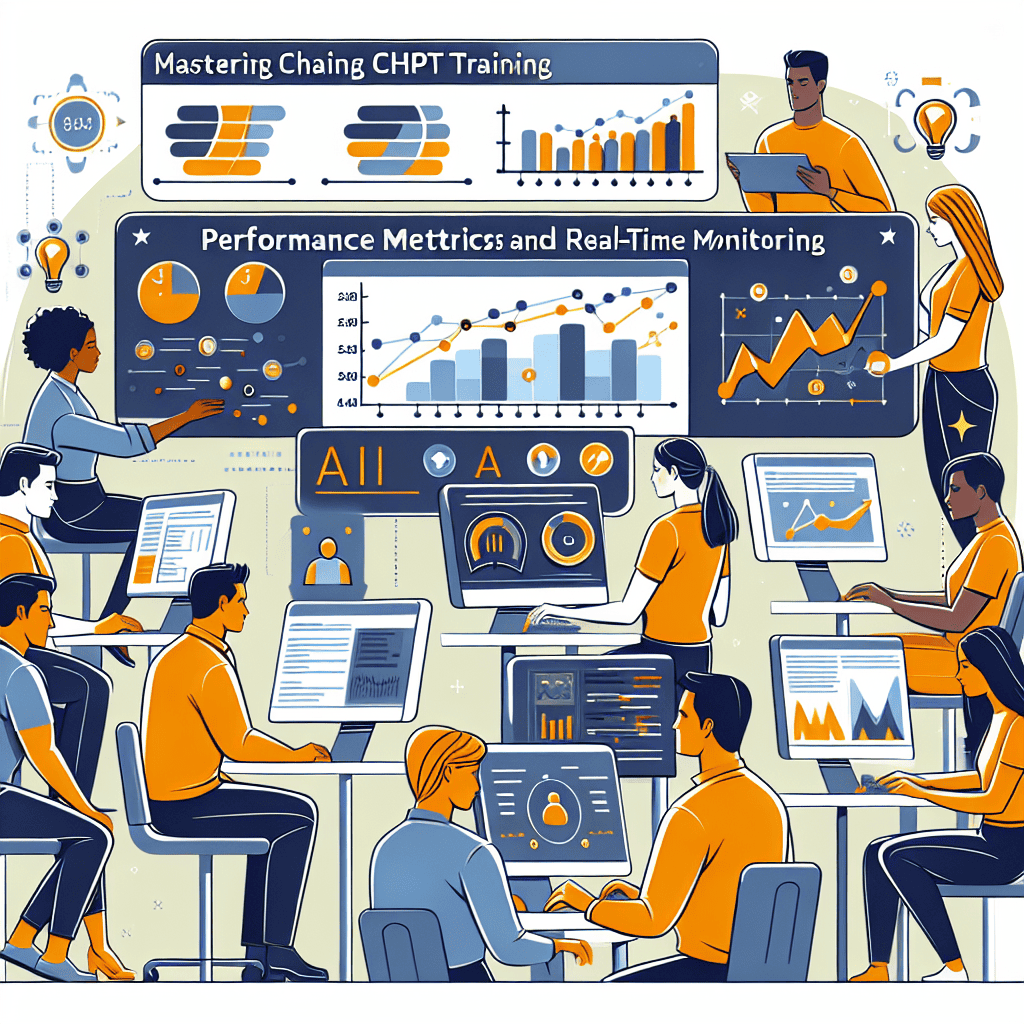
What metrics are essential for evaluating GPT-4 chatbots?

Essential metrics include Perplexity Score, F1 Score, Customer Satisfaction (CSAT), and Containment Rate, among others.

How often should I benchmark and evaluate my chatbot’s performance?

Regularly—at least quarterly—to identify areas of improvement and adapt to changing user needs.

Can I monetize my chatbot?

Yes! Opportunities include SaaS licensing, premium analytics, and outcome-based pricing models.

How do I improve my chatbot based on performance metrics?

Iteratively fine-tune your chatbot using real conversation data, monitor errors, and optimize for user satisfaction.

What metrics are essential for evaluating GPT-4 chatbots?

Essential metrics include Perplexity Score, F1 Score, Customer Satisfaction (CSAT), and Containment Rate, among others.

How often should I benchmark and evaluate my chatbot’s performance?

Regularly—at least quarterly—to identify areas of improvement and adapt to changing user needs.

Can I monetize my chatbot?

Yes! Opportunities include SaaS licensing, premium analytics, and outcome-based pricing models.

How do I improve my chatbot based on performance metrics?

Iteratively fine-tune your chatbot using real conversation data, monitor errors, and optimize for user satisfaction.

What metrics are essential for evaluating GPT-4 chatbots?

Essential metrics include Perplexity Score, F1 Score, Customer Satisfaction (CSAT), and Containment Rate, among others.

How often should I benchmark and evaluate my chatbot’s performance?

Regularly—at least quarterly—to identify areas of improvement and adapt to changing user needs.

Can I monetize my chatbot?

Yes! Opportunities include SaaS licensing, premium analytics, and outcome-based pricing models.

How do I improve my chatbot based on performance metrics?

Iteratively fine-tune your chatbot using real conversation data, monitor errors, and optimize for user satisfaction.

What metrics are essential for evaluating GPT-4 chatbots?

Essential metrics include Perplexity Score, F1 Score, Customer Satisfaction (CSAT), and Containment Rate, among others.

How often should I benchmark and evaluate my chatbot’s performance?

Regularly—at least quarterly—to identify areas of improvement and adapt to changing user needs.

Can I monetize my chatbot?

Yes! Opportunities include SaaS licensing, premium analytics, and outcome-based pricing models.

How do I improve my chatbot based on performance metrics?

Iteratively fine-tune your chatbot using real conversation data, monitor errors, and optimize for user satisfaction.

What metrics are essential for evaluating GPT-4 chatbots?

Essential metrics include Perplexity Score, F1 Score, Customer Satisfaction (CSAT), and Containment Rate, among others.

How often should I benchmark and evaluate my chatbot’s performance?

Regularly—at least quarterly—to identify areas of improvement and adapt to changing user needs.

Can I monetize my chatbot?

Yes! Opportunities include SaaS licensing, premium analytics, and outcome-based pricing models.

How do I improve my chatbot based on performance metrics?

Iteratively fine-tune your chatbot using real conversation data, monitor errors, and optimize for user satisfaction.

What metrics are essential for evaluating GPT-4 chatbots?

Essential metrics include Perplexity Score, F1 Score, Customer Satisfaction (CSAT), and Containment Rate, among others.

How often should I benchmark and evaluate my chatbot’s performance?

Regularly—at least quarterly—to identify areas of improvement and adapt to changing user needs.

Can I monetize my chatbot?

Yes! Opportunities include SaaS licensing, premium analytics, and outcome-based pricing models.

How do I improve my chatbot based on performance metrics?

Iteratively fine-tune your chatbot using real conversation data, monitor errors, and optimize for user satisfaction.

What metrics are essential for evaluating GPT-4 chatbots?

Essential metrics include Perplexity Score, F1 Score, Customer Satisfaction (CSAT), and Containment Rate, among others.

How often should I benchmark and evaluate my chatbot’s performance?

Regularly—at least quarterly—to identify areas of improvement and adapt to changing user needs.

Can I monetize my chatbot?

Yes! Opportunities include SaaS licensing, premium analytics, and outcome-based pricing models.

How do I improve my chatbot based on performance metrics?

Iteratively fine-tune your chatbot using real conversation data, monitor errors, and optimize for user satisfaction.

What metrics are essential for evaluating GPT-4 chatbots?

Essential metrics include Perplexity Score, F1 Score, Customer Satisfaction (CSAT), and Containment Rate, among others.

How often should I benchmark and evaluate my chatbot’s performance?

Regularly—at least quarterly—to identify areas of improvement and adapt to changing user needs.

Can I monetize my chatbot?

Yes! Opportunities include SaaS licensing, premium analytics, and outcome-based pricing models.

How do I improve my chatbot based on performance metrics?

Iteratively fine-tune your chatbot using real conversation data, monitor errors, and optimize for user satisfaction.

What metrics are essential for evaluating GPT-4 chatbots?

Essential metrics include Perplexity Score, F1 Score, Customer Satisfaction (CSAT), and Containment Rate, among others.

How often should I benchmark and evaluate my chatbot’s performance?

Regularly—at least quarterly—to identify areas of improvement and adapt to changing user needs.

Can I monetize my chatbot?

Yes! Opportunities include SaaS licensing, premium analytics, and outcome-based pricing models.

How do I improve my chatbot based on performance metrics?

Iteratively fine-tune your chatbot using real conversation data, monitor errors, and optimize for user satisfaction.

What metrics are essential for evaluating GPT-4 chatbots?

Essential metrics include Perplexity Score, F1 Score, Customer Satisfaction (CSAT), and Containment Rate, among others.

How often should I benchmark and evaluate my chatbot’s performance?

Regularly—at least quarterly—to identify areas of improvement and adapt to changing user needs.

Can I monetize my chatbot?

Yes! Opportunities include SaaS licensing, premium analytics, and outcome-based pricing models.

How do I improve my chatbot based on performance metrics?

Iteratively fine-tune your chatbot using real conversation data, monitor errors, and optimize for user satisfaction.

What metrics are essential for evaluating GPT-4 chatbots?

Essential metrics include Perplexity Score, F1 Score, Customer Satisfaction (CSAT), and Containment Rate, among others.

How often should I benchmark and evaluate my chatbot’s performance?

Regularly—at least quarterly—to identify areas of improvement and adapt to changing user needs.

Can I monetize my chatbot?

Yes! Opportunities include SaaS licensing, premium analytics, and outcome-based pricing models.

How do I improve my chatbot based on performance metrics?

Iteratively fine-tune your chatbot using real conversation data, monitor errors, and optimize for user satisfaction.

What metrics are essential for evaluating GPT-4 chatbots?

Essential metrics include Perplexity Score, F1 Score, Customer Satisfaction (CSAT), and Containment Rate, among others.

How often should I benchmark and evaluate my chatbot’s performance?

Regularly—at least quarterly—to identify areas of improvement and adapt to changing user needs.

Can I monetize my chatbot?

Yes! Opportunities include SaaS licensing, premium analytics, and outcome-based pricing models.

How do I improve my chatbot based on performance metrics?

Iteratively fine-tune your chatbot using real conversation data, monitor errors, and optimize for user satisfaction.

What metrics are essential for evaluating GPT-4 chatbots?

Essential metrics include Perplexity Score, F1 Score, Customer Satisfaction (CSAT), and Containment Rate, among others.

How often should I benchmark and evaluate my chatbot’s performance?

Regularly—at least quarterly—to identify areas of improvement and adapt to changing user needs.

Can I monetize my chatbot?

Yes! Opportunities include SaaS licensing, premium analytics, and outcome-based pricing models.

How do I improve my chatbot based on performance metrics?

Iteratively fine-tune your chatbot using real conversation data, monitor errors, and optimize for user satisfaction.

What metrics are essential for evaluating GPT-4 chatbots?

Essential metrics include Perplexity Score, F1 Score, Customer Satisfaction (CSAT), and Containment Rate, among others.

How often should I benchmark and evaluate my chatbot’s performance?

Regularly—at least quarterly—to identify areas of improvement and adapt to changing user needs.

Can I monetize my chatbot?

Yes! Opportunities include SaaS licensing, premium analytics, and outcome-based pricing models.

How do I improve my chatbot based on performance metrics?

Iteratively fine-tune your chatbot using real conversation data, monitor errors, and optimize for user satisfaction.

What metrics are essential for evaluating GPT-4 chatbots?

Essential metrics include Perplexity Score, F1 Score, Customer Satisfaction (CSAT), and Containment Rate, among others.

How often should I benchmark and evaluate my chatbot’s performance?

Regularly—at least quarterly—to identify areas of improvement and adapt to changing user needs.

Can I monetize my chatbot?

Yes! Opportunities include SaaS licensing, premium analytics, and outcome-based pricing models.

How do I improve my chatbot based on performance metrics?

Iteratively fine-tune your chatbot using real conversation data, monitor errors, and optimize for user satisfaction.

What metrics are essential for evaluating GPT-4 chatbots?

Essential metrics include Perplexity Score, F1 Score, Customer Satisfaction (CSAT), and Containment Rate, among others.

How often should I benchmark and evaluate my chatbot’s performance?

Regularly—at least quarterly—to identify areas of improvement and adapt to changing user needs.

Can I monetize my chatbot?

Yes! Opportunities include SaaS licensing, premium analytics, and outcome-based pricing models.

How do I improve my chatbot based on performance metrics?

Iteratively fine-tune your chatbot using real conversation data, monitor errors, and optimize for user satisfaction.

What metrics are essential for evaluating GPT-4 chatbots?

Essential metrics include Perplexity Score, F1 Score, Customer Satisfaction (CSAT), and Containment Rate, among others.

How often should I benchmark and evaluate my chatbot’s performance?

Regularly—at least quarterly—to identify areas of improvement and adapt to changing user needs.

Can I monetize my chatbot?

Yes! Opportunities include SaaS licensing, premium analytics, and outcome-based pricing models.

How do I improve my chatbot based on performance metrics?

Iteratively fine-tune your chatbot using real conversation data, monitor errors, and optimize for user satisfaction.

What metrics are essential for evaluating GPT-4 chatbots?

Essential metrics include Perplexity Score, F1 Score, Customer Satisfaction (CSAT), and Containment Rate, among others.

How often should I benchmark and evaluate my chatbot’s performance?

Regularly—at least quarterly—to identify areas of improvement and adapt to changing user needs.

Can I monetize my chatbot?

Yes! Opportunities include SaaS licensing, premium analytics, and outcome-based pricing models.

How do I improve my chatbot based on performance metrics?

Iteratively fine-tune your chatbot using real conversation data, monitor errors, and optimize for user satisfaction.

What metrics are essential for evaluating GPT-4 chatbots?

Essential metrics include Perplexity Score, F1 Score, Customer Satisfaction (CSAT), and Containment Rate, among others.

How often should I benchmark and evaluate my chatbot’s performance?

Regularly—at least quarterly—to identify areas of improvement and adapt to changing user needs.

Can I monetize my chatbot?

Yes! Opportunities include SaaS licensing, premium analytics, and outcome-based pricing models.

How do I improve my chatbot based on performance metrics?

Iteratively fine-tune your chatbot using real conversation data, monitor errors, and optimize for user satisfaction.

What metrics are essential for evaluating GPT-4 chatbots?

Essential metrics include Perplexity Score, F1 Score, Customer Satisfaction (CSAT), and Containment Rate, among others.

How often should I benchmark and evaluate my chatbot’s performance?

Regularly—at least quarterly—to identify areas of improvement and adapt to changing user needs.

Can I monetize my chatbot?

Yes! Opportunities include SaaS licensing, premium analytics, and outcome-based pricing models.

How do I improve my chatbot based on performance metrics?

Iteratively fine-tune your chatbot using real conversation data, monitor errors, and optimize for user satisfaction.

What metrics are essential for evaluating GPT-4 chatbots?

Essential metrics include Perplexity Score, F1 Score, Customer Satisfaction (CSAT), and Containment Rate, among others.

How often should I benchmark and evaluate my chatbot’s performance?

Regularly—at least quarterly—to identify areas of improvement and adapt to changing user needs.

Can I monetize my chatbot?

Yes! Opportunities include SaaS licensing, premium analytics, and outcome-based pricing models.

How do I improve my chatbot based on performance metrics?

Iteratively fine-tune your chatbot using real conversation data, monitor errors, and optimize for user satisfaction.

What metrics are essential for evaluating GPT-4 chatbots?

Essential metrics include Perplexity Score, F1 Score, Customer Satisfaction (CSAT), and Containment Rate, among others.

How often should I benchmark and evaluate my chatbot’s performance?

Regularly—at least quarterly—to identify areas of improvement and adapt to changing user needs.

Can I monetize my chatbot?

Yes! Opportunities include SaaS licensing, premium analytics, and outcome-based pricing models.

How do I improve my chatbot based on performance metrics?

Iteratively fine-tune your chatbot using real conversation data, monitor errors, and optimize for user satisfaction.

What metrics are essential for evaluating GPT-4 chatbots?

Essential metrics include Perplexity Score, F1 Score, Customer Satisfaction (CSAT), and Containment Rate, among others.

How often should I benchmark and evaluate my chatbot’s performance?

Regularly—at least quarterly—to identify areas of improvement and adapt to changing user needs.

Can I monetize my chatbot?

Yes! Opportunities include SaaS licensing, premium analytics, and outcome-based pricing models.

How do I improve my chatbot based on performance metrics?

Iteratively fine-tune your chatbot using real conversation data, monitor errors, and optimize for user satisfaction.

What metrics are essential for evaluating GPT-4 chatbots?

Essential metrics include Perplexity Score, F1 Score, Customer Satisfaction (CSAT), and Containment Rate, among others.

How often should I benchmark and evaluate my chatbot’s performance?

Regularly—at least quarterly—to identify areas of improvement and adapt to changing user needs.

Can I monetize my chatbot?

Yes! Opportunities include SaaS licensing, premium analytics, and outcome-based pricing models.

How do I improve my chatbot based on performance metrics?

Iteratively fine-tune your chatbot using real conversation data, monitor errors, and optimize for user satisfaction.

What metrics are essential for evaluating GPT-4 chatbots?

Essential metrics include Perplexity Score, F1 Score, Customer Satisfaction (CSAT), and Containment Rate, among others.

How often should I benchmark and evaluate my chatbot’s performance?

Regularly—at least quarterly—to identify areas of improvement and adapt to changing user needs.

Can I monetize my chatbot?

Yes! Opportunities include SaaS licensing, premium analytics, and outcome-based pricing models.

How do I improve my chatbot based on performance metrics?

Iteratively fine-tune your chatbot using real conversation data, monitor errors, and optimize for user satisfaction.

What metrics are essential for evaluating GPT-4 chatbots?

Essential metrics include Perplexity Score, F1 Score, Customer Satisfaction (CSAT), and Containment Rate, among others.

How often should I benchmark and evaluate my chatbot’s performance?

Regularly—at least quarterly—to identify areas of improvement and adapt to changing user needs.

Can I monetize my chatbot?

Yes! Opportunities include SaaS licensing, premium analytics, and outcome-based pricing models.

How do I improve my chatbot based on performance metrics?

Iteratively fine-tune your chatbot using real conversation data, monitor errors, and optimize for user satisfaction.

What metrics are essential for evaluating GPT-4 chatbots?

Essential metrics include Perplexity Score, F1 Score, Customer Satisfaction (CSAT), and Containment Rate, among others.

How often should I benchmark and evaluate my chatbot’s performance?

Regularly—at least quarterly—to identify areas of improvement and adapt to changing user needs.

Can I monetize my chatbot?

Yes! Opportunities include SaaS licensing, premium analytics, and outcome-based pricing models.

How do I improve my chatbot based on performance metrics?

Iteratively fine-tune your chatbot using real conversation data, monitor errors, and optimize for user satisfaction.

What metrics are essential for evaluating GPT-4 chatbots?

Essential metrics include Perplexity Score, F1 Score, Customer Satisfaction (CSAT), and Containment Rate, among others.

How often should I benchmark and evaluate my chatbot’s performance?

Regularly—at least quarterly—to identify areas of improvement and adapt to changing user needs.

Can I monetize my chatbot?

Yes! Opportunities include SaaS licensing, premium analytics, and outcome-based pricing models.

How do I improve my chatbot based on performance metrics?

Iteratively fine-tune your chatbot using real conversation data, monitor errors, and optimize for user satisfaction.

What metrics are essential for evaluating GPT-4 chatbots?

Essential metrics include Perplexity Score, F1 Score, Customer Satisfaction (CSAT), and Containment Rate, among others.

How often should I benchmark and evaluate my chatbot’s performance?

Regularly—at least quarterly—to identify areas of improvement and adapt to changing user needs.

Can I monetize my chatbot?

Yes! Opportunities include SaaS licensing, premium analytics, and outcome-based pricing models.

How do I improve my chatbot based on performance metrics?

Iteratively fine-tune your chatbot using real conversation data, monitor errors, and optimize for user satisfaction.

What metrics are essential for evaluating GPT-4 chatbots?

Essential metrics include Perplexity Score, F1 Score, Customer Satisfaction (CSAT), and Containment Rate, among others.

How often should I benchmark and evaluate my chatbot’s performance?

Regularly—at least quarterly—to identify areas of improvement and adapt to changing user needs.

Can I monetize my chatbot?

Yes! Opportunities include SaaS licensing, premium analytics, and outcome-based pricing models.

How do I improve my chatbot based on performance metrics?

Iteratively fine-tune your chatbot using real conversation data, monitor errors, and optimize for user satisfaction.

What metrics are essential for evaluating GPT-4 chatbots?

Essential metrics include Perplexity Score, F1 Score, Customer Satisfaction (CSAT), and Containment Rate, among others.

How often should I benchmark and evaluate my chatbot’s performance?

Regularly—at least quarterly—to identify areas of improvement and adapt to changing user needs.

Can I monetize my chatbot?

Yes! Opportunities include SaaS licensing, premium analytics, and outcome-based pricing models.

How do I improve my chatbot based on performance metrics?

Iteratively fine-tune your chatbot using real conversation data, monitor errors, and optimize for user satisfaction.

Essential Metrics for Evaluating GPT-4 Chatbot Performance Read More »

AI-powered digital illustration of human and robot interacting with technological elements, representing innovation in AI and GPT-4 conversational technology.

Maximize Affiliate Marketing with GPT-4 and Transfer Learning

Table of Contents

  1. Understanding Transfer Learning and Its Significance in Affiliate Marketing
  2. Industry Trends Shaping Transfer Learning in Marketing
  3. Strategies for Effective Transfer Learning with GPT-4
  4. Successful Case Studies in Transfer Learning
  5. Competitor Strategies in the Affiliate Space
  6. Traffic and Audience Acquisition Sources
  7. Conversion Tactics to Drive Affiliate Marketing Success
  8. Monetization Opportunities in Transfer Learning
  9. Conclusion

Understanding Transfer Learning and Its Significance in Affiliate Marketing

Transfer learning is a machine learning method that focuses on storing knowledge gained while solving one problem and applying it to a different but related problem. In the case of GPT-4, it allows marketers to fine-tune a pre-trained model on their domain-specific data, leading to notable improvements in efficiency and effectiveness.

Using transfer learning provides a strategic shortcut for building powerful, domain-specific language models, significantly reducing training time, costs, and the amount of required data. According to recent findings, fine-tuning models like GPT-4 can slash training time by up to 90% and increase model accuracy by 30-50% for specialized tasks. As affiliate marketers seek to enhance their performance marketing efforts, this transformation can unlock new commercial and technical opportunities.

  1. Accelerated Adoption: Companies of all sizes are increasingly adopting transfer learning strategies, especially in leveraging APIs like those offered by OpenAI. This democratization has allowed both SMEs and startups to harness sophisticated AI capabilities without the substantial costs associated with developing their models from scratch.
  2. Proliferation of Vertical Applications: While early implementations of AI focused on generic use cases, today’s landscape sees companies tailoring GPT-4 for the unique needs of different sectors—such as healthcare, legal, finance, and e-commerce—creating targeted solutions that enhance user engagement and conversion rates.
  3. A Growing Ecosystem: The toolkit for transfer learning has also expanded with the emergence of data annotation, monitoring, and model deployment tools that streamline workflows. These tools make it easier for marketers to integrate health checks and validations into their AI systems, ensuring sustained performance enhancements.

Strategies for Effective Transfer Learning with GPT-4

To successfully implement transfer learning with GPT-4 in your affiliate marketing strategy, consider the following actionable steps:

Choose the Right Pretrained Model

Always start with a version of GPT-4 or an equivalent model already trained on a large corpus relevant to your domain. This forms a strong foundation for building specific algorithms that cater to your affiliate programs.

Freeze Base Layers

Lock in foundational layers that encode general language capabilities, ensuring your modified model retains broader understanding while still being tailored for your niche market.

Modify Output Heads

Depending on your application, you may want to add or replace output layers to accommodate different classes, labels, or specific text formatting required for your content. This flexibility allows models to cater to various affiliate marketing needs.

Fine-Tune on Task-Specific Data

Utilize high-quality, task-specific datasets (often a few thousand labeled samples are adequate) to train your models. Properly annotated data dramatically increases the specialization effect and potential for commercial applications.

Start with Low Learning Rates

To prevent “catastrophic forgetting,” new models should commence training with low learning rates. Gradually adjusting this parameter helps preserve foundational knowledge while allowing for the incorporation of new data.

Iterate and Validate

Adopt an iterative approach where models are regularly validated against performance benchmarks. Monitor for signs of overfitting, and consider progressively unfreezing layers if further improvements are needed.

Prioritize Data Quality

In affiliate marketing, the quality of your data often outweighs the quantity. Well-annotated and cleaned datasets lead to better model performance, enhancing your marketing output’s effectiveness.

Successful Case Studies in Transfer Learning

The practical applications of using transfer learning effectively in different sectors provide valuable lessons for affiliate marketers:

  • Healthcare Diagnostics: Fine-tuned language models excel in extracting and summarizing complicated patient data, achieving diagnostic accuracy comparable to traditional methods, even in data-restricted situations.
  • Legal Document Review: Law firms have harnessed transfer learning to automate the classification and summarization of legal texts, saving countless hours and resources in manual review processes.
  • Customer Service Automation: Businesses in diverse industries, such as travel and insurance, have adapted GPT-4 to improve customer interactions leading to heightened satisfaction scores and reduced operational costs.

Competitor Strategies in the Affiliate Space

As transfer learning gains traction, several key strategies from competitors can serve as guiding examples:

  • Vertical-Focused Platforms: Companies like Jasper and Writer are building SaaS offerings specifically around fine-tuned LLMs for various sectors, thereby merging proprietary training data with model customization.
  • Data Annotation Service Integrations: Service providers like Scale AI and Labelbox are bundling data annotation with fine-tuning, facilitating more reliable and faster transfer learning cycles.
  • Continuous Learning Loops: Leading organizations deploy models capable of real-time learning from user feedback, allowing for regular updates that enhance relevance and accuracy.

Traffic and Audience Acquisition Sources

To effectively reach audiences while promoting GPT-4-based offerings, consider diversifying your traffic acquisition methods:

  1. Organic Search: Focus on high-traffic keywords such as “custom GPT-4,” “fine-tune language models,” and “AI automation by industry” to attract targeted visitors to your affiliate programs.
  2. Webinars and Workshops: Host expert-led sessions that discuss strategies for implementing customized language models. These events are highly valued among decision-makers and technical leads in the affiliate marketing space.
  3. Open Source Contributions: Sharing fine-tuning scripts or sample datasets via platforms like GitHub fosters community trust and encourages adoption of your solutions.
  4. Referral Networks: Forge partnerships with established vertical SaaS platforms or consultancies who can help guide demand towards your transfer learning solutions.

Conversion Tactics to Drive Affiliate Marketing Success

To translate audience engagement into conversions effectively, consider these practical tactics:

  • Interactive Demos: Allow potential clients to input their data and observe how fine-tuning enhances GPT-4’s capabilities. This feature can build credibility and demonstrate real-world value.
  • ROI Calculators: Tools that demonstrate time and cost savings compared to manual or non-specific workflows can drive conversion rates significantly.
  • Case Study Content: Publish detailed accounts of how finer-tuned models have led to measurable improvements in specific sectors, reinforcing the trust factor.
  • API-first Productization: Create tiered access to customized models that lower integration barriers, facilitating quicker sales cycles and easier adoption.

Monetization Opportunities in Transfer Learning

The expansion of AI’s reach into affiliate marketing opens new avenues for monetization:

  1. Fine-Tuning as a Service: Offer end-to-end solutions that encompass data collection, annotation, model fine-tuning, and deployment as a subscription or fee-for-service model.
  2. Vertical Model Licensing: Consider licensing access to specialized GPT-4 models, either on a pay-per-use basis or via subscriptions targeting specific industries.
  3. Consulting and Implementation: Provide strategic design and deployment services for bespoke AI-powered workflows tailored to clients’ needs.
  4. API Usage/Credits: Charge users based on their API interactions, creating a sustainable revenue stream while also incentivizing high-quality usage of your models.

Conclusion

Using transfer learning with GPT-4 is a game-changing approach for affiliate marketers looking to enhance their efficiency and effectiveness in a competitive landscape. By adopting the strategies discussed, marketers can build specialized, robust AI solutions to foster significant improvements in user engagement and overall campaign performance.

As your organization navigates the complex world of affiliate marketing, our team is equipped to help you leverage these AI-enhanced solutions and drive maximum return on investment. Whether you’re interested in learning more about our affiliate programs or exploring how tailored AI-driven strategies can benefit your business, we invite you to reach out and discover how we can collaborate for success.

Let’s unlock the future of affiliate marketing together! Contact us today to get started.

Maximize Affiliate Marketing with GPT-4 and Transfer Learning Read More »